
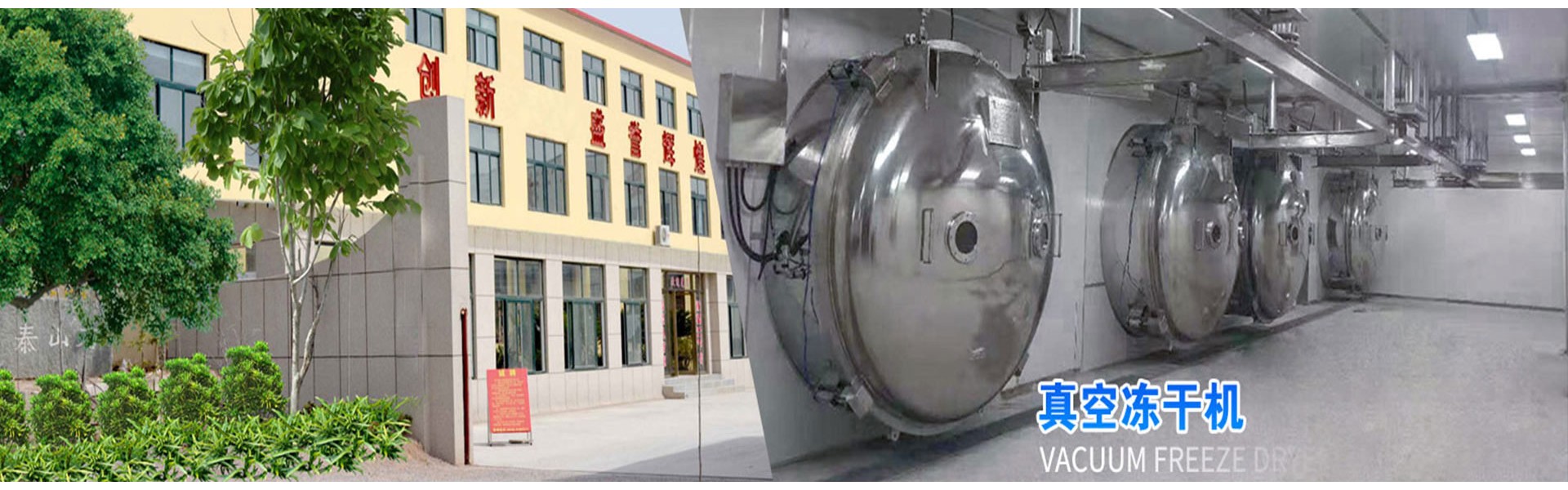
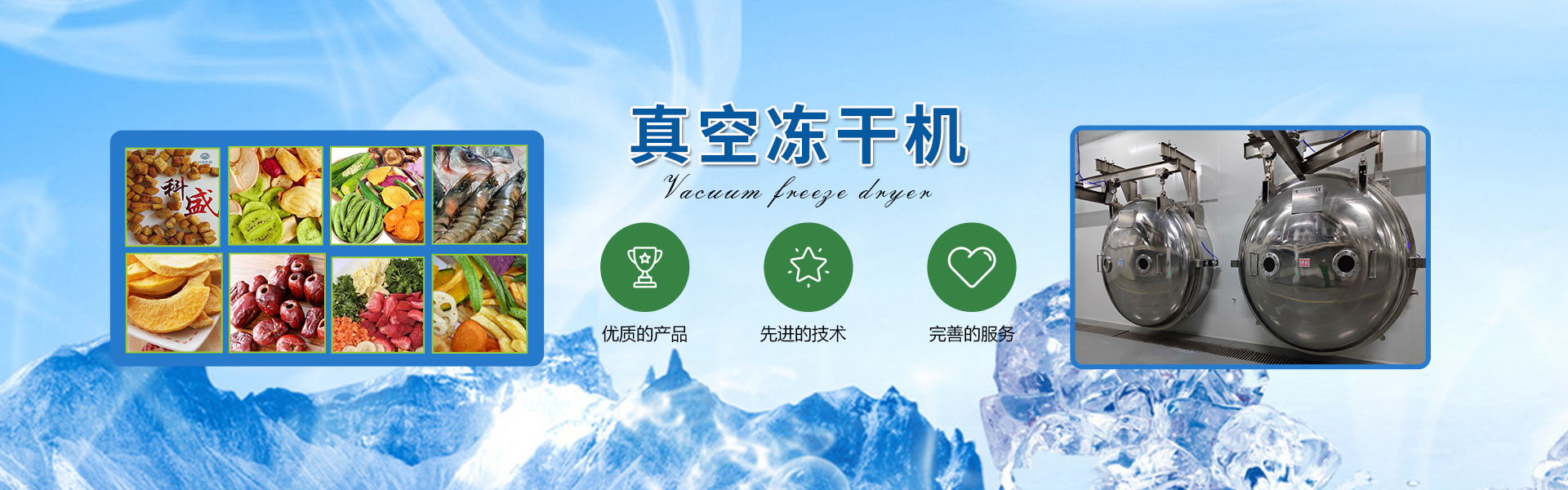


Drying is one of the methods to prevent materials from deteriorating. There are various drying techniques, such as sun drying, boiling, drying, spray drying, and vacuum drying, all of which are conducted at temperatures above 0 degrees or higher. Dried products typically shrink in volume, become harder in texture, and some substances may undergo oxidation. Most volatile components are lost, and heat-sensitive substances like proteins can denature. Freeze-drying involves pre-freezing substances containing a high amount of water into a solid state and then allowing the water vapor to sublime directly under vacuum conditions, leaving the substance behind in the frozen ice framework. This results in a dried product that is fluffy, porous, and maintains its original volume. Freeze-drying is performed at low temperatures, making it particularly suitable for heat-sensitive materials such as proteins and microorganisms, which do not deteriorate. During low-temperature drying, the loss of volatile components in the material is minimal, making it suitable for drying some chemical products and foods. In the freeze-drying process, microbial growth and enzymatic activity are inhibited, preserving the original properties. The dried material's porous and spongy nature allows for rapid and complete dissolution when water is added, nearly restoring its original characteristics. Since drying occurs in a frozen state, the volume remains almost unchanged, preserving the original structure without concentration. Additionally, the vacuum drying process minimizes oxidation due to the low oxygen levels, protecting the appearance and color. By removing most of the water, drying allows for long-term storage of products without spoilage. Consequently, freeze-drying is widely used in industries, the food industry, scientific research, and other sectors.
新闻中心
