
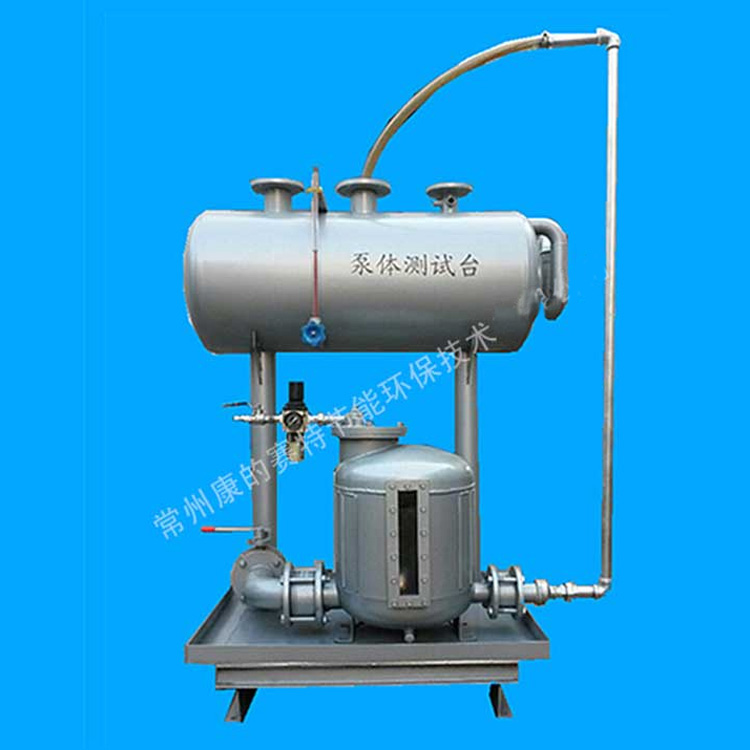
 Condensate Recovery Air-Powered Pump Test Bench
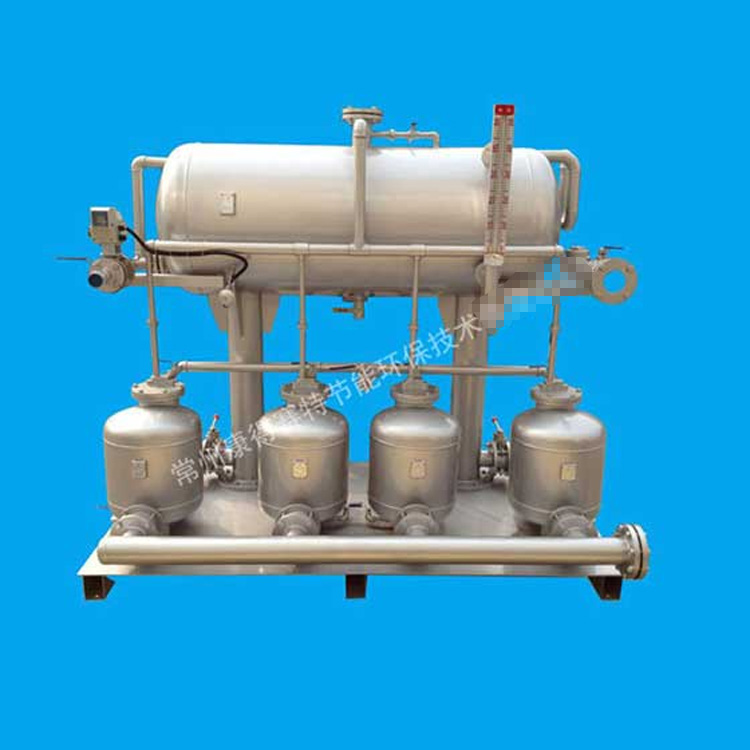 CDST-HT-Ⅳ Type Condensate Water Recovery Pneumatic Device Mechanical Pump
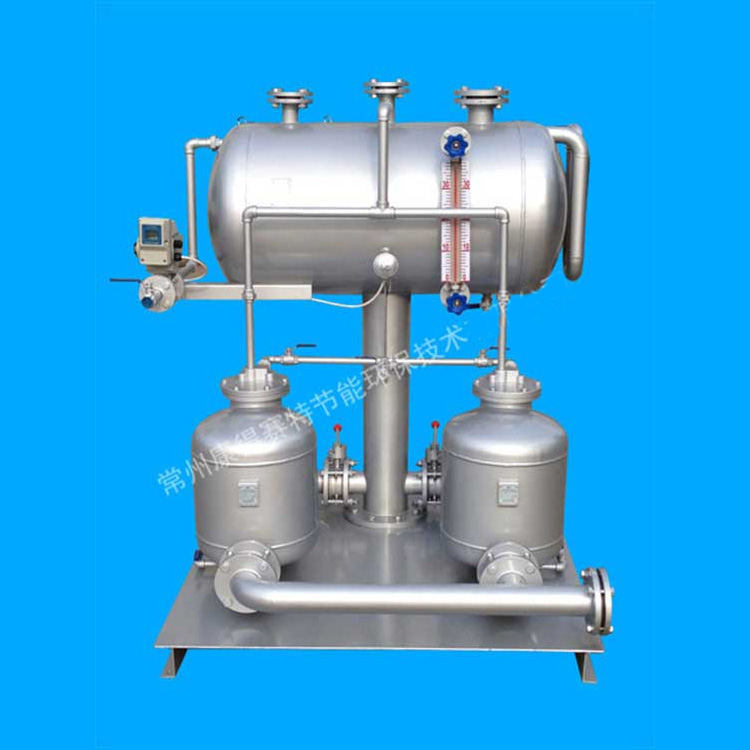 CDST-HT-Ⅱ Type Condensate Water Recovery Pneumatic Mechanism Pump
 CDST-HT-Ⅰ Type Condensate Water Recovery Pneumatic Device Mechanical Pump
 CDST Condensate Water Recovery Pneumatic Mechanical Pump
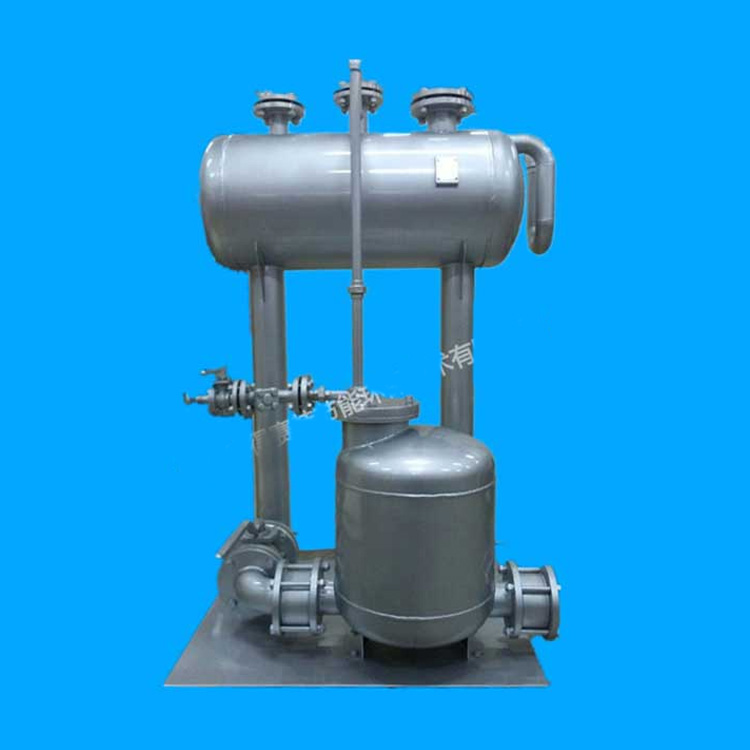 CDST-Ⅰ Type Condensate Water Recovery Pneumatic Device Mechanical Pump
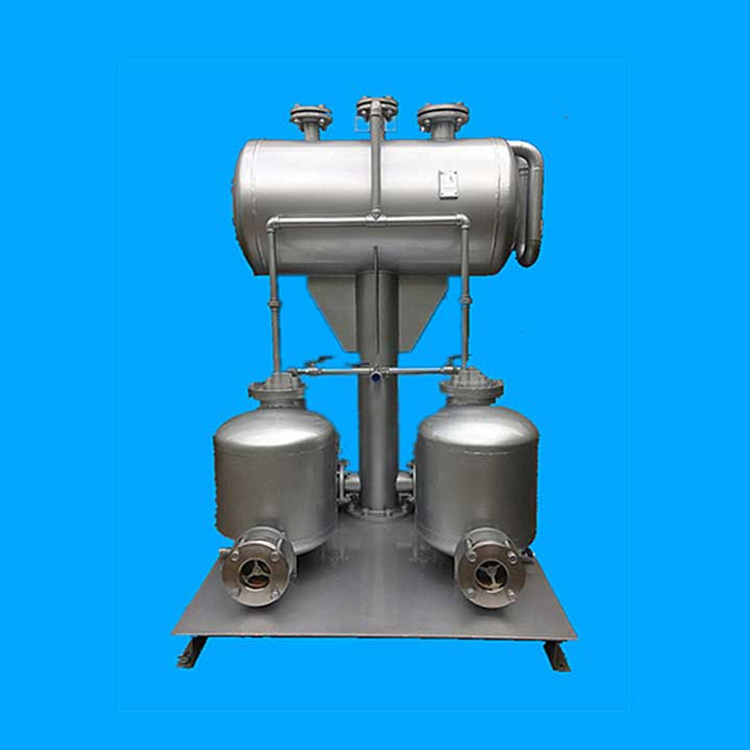 CDST-Ⅱ Type Condensate Water Recovery Pneumatic Device Mechanical Pump
Product Details

A comprehensive enterprise specializing in equipment research and development...

产品Price Negotiable
最小起订Quantity: 供货总Quantity:


I. Product Features Section II: Applicability Scope 4. Technical Specifications: V. Working Principle: Conditioning. Growth is expanding. Section 6: Specifications and Models *Note: 2. Configuration Overview 3. Selection Overview Table Fully Automatic Softener — Type B (A/B) Selection Chart Automatic Softener — Model Selection Chart for Water Supply and Alternating Regeneration (D) Type Fully Automatic Softener — Multi-Control Multi-Bed (E) Model Selection Chart Automatic Softener — Multi-Control, Multi-Bed (Simultaneous Operation with Alternating Regeneration) Type (E) Selection Sheet Above is the common soft water configuration for industrial systems. For larger flow soft water configurations, please directly request relevant materials from our company. 3. Model Description Section 8: Selection GuideFully Automatic Sodium Ion Exchanger (Automatic Water Softener)
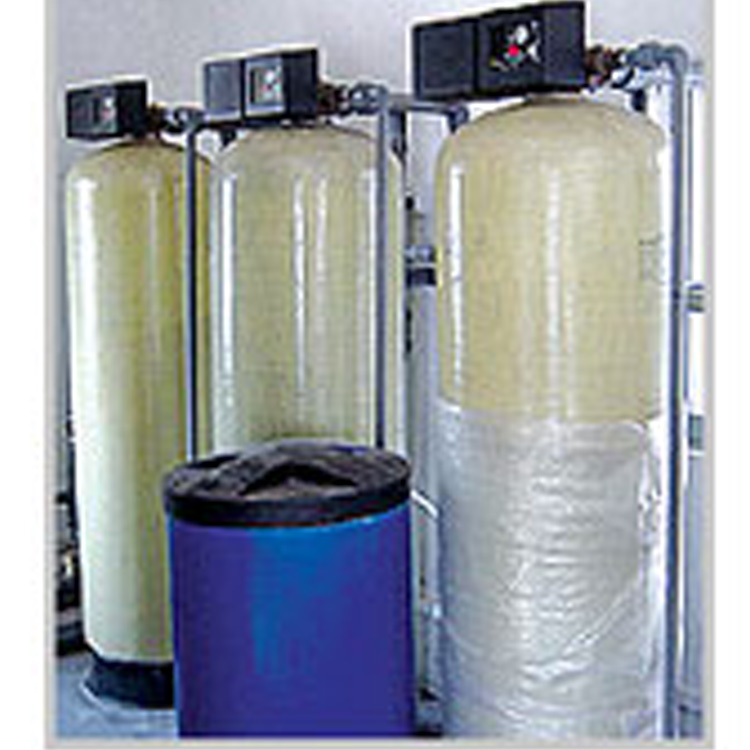
The KDSTRS series fully automatic water softener is a new generation of softening water equipment developed and produced by our company through the introduction of foreign technology and control components.
The control unit of this equipment is fully imported from the United States, with the overall structure and related components developed and matched by our company. While introducing a new programmable controller, it fully integrates the characteristics of our country's water quality and practical operating experience. It is the new generation automatic soft water unit with modern international standards and suitable for our country's usage conditions.
Boilers, air conditioning, and refrigeration systems widely used in industrial or civil systems such as petrochemicals, light industry, textiles, food hygiene, hotels, and restaurants.
III. Product Features:
1. High level of automation. The main components of the valve body have a lifespan of up to ten years, and the plunger-type controller fully automates the regeneration process of the water softening system across all stages. Once initially adjusted, the equipment only requires regular salt addition to continuously supply softened water under automatic conditions.
2. Stable effluent quality. The effluent quality remains stable under various water conditions and any operational conditions.
3. After equipment cleaning, the system residual [Cl-] content is <0.2 mg/l, avoiding corrosiveness to the system.
4. High efficiency, low energy consumption, and cost-effective operation. The energy consumption indices of the equipment are significantly lower than those of general softening water equipment, with the equipment's energy consumption indices being:
5. Water Consumption: <2%
6. Power Consumption: 3-10W
7. Salt Consumption: <100g/mmol
8. Pressure Drop: 0.03-0.06 MPa
Utilizing cutting-edge domestic anti-leak and anti-carbonization steel integrated molding drums, the overall structure is simple yet reliable.
Equipment features a compact structure, easy operation and maintenance, simple installation and debugging, and stable performance of control components.
1. Processing Effect
Leachate Hardness: ≤0.03 mmol/L
Residual [Cl-]: ≤0.2 mg/L
2. Water Inlet Quality
Original Water Hardness: Compliant with "Technical Conditions for Automatic Control Sodium Ion Exchanger (GB/T18300-2001)"
Inflow Turbidity: <10 mg/l
Entry free chlorine: ≤0.3 mg/l
Suspended Solids at Entrance: <5 mg/l
Iron content in entrance: <0.3 mg/l
Inlet Water Pressure: 0.2 MPa to 0.6 MPa
Entry Water Temperature: 5℃ to 45℃
3. Operating Parameters
Resin Model: 001×7 Strong Acid Cation Exchange Resin
Resin wet specific gravity: 800 Kg/m³
Power Supply: 220V±22V/50Hz
Flow-through dynamic regeneration type, time control, flow control, detection control
Threaded or ABS flange
Utilizing flow control for all operational procedures (regeneration, cleaning, and water production), it can provide continuous (or intermittent) water supply. The regeneration of the automatic water softener can be initiated based on time or flow. The operating process of the water softener typically consists of a cycle of the following steps:
Operation
Raw water, under certain pressure (0.2-0.6 Mpa) and flow rate, passes through the controller's valve cavity and into a container (resin tank) filled with ion exchange resin. The Na+ contained in the resin exchanges with the cations (Ca2+, Mg2+, Fe2+ and so on) present in the water, thereby reducing the content of Ca2+ and Mg2+ ions in the effluent from the container to meet predetermined requirements, achieving the softening of hard water.
2. Anti-money laundering
After the resin has failed, before regeneration, first rinse it from bottom to top with water. The purpose of the backwash is twofold: one is to loosen the tightly packed resin layer during operation through backwashing, which facilitates full contact between the resin particles and the regeneration liquid; the other is to expel suspended matter and broken resin accumulated on the surface of the resin with the backwash water, thus preventing the water flow resistance in the exchanger from increasing.
3. Regenerated Salt Absorbent
Regenerated brine, at a specific concentration and flow rate, passes through the failed resin bed, restoring its original exchange capacity.
4. Swap (Slow Wash)
After the regenerant has been exhausted, there is still brine in the exchanger that has not participated in the regeneration exchange. Use clean water at a flow rate less than or equal to that of the regenerant for washing (slow wash) to maximize the regenerant's regeneration effect and reduce the load of the main wash.
5. Rinse (Rapid Wash)
The purpose is to remove any residual recycled waste liquid from the resin layer, typically cleaning until the effluent meets the standard flow rate.
6. Regenerant Box Water Filling
Inject water of the required salt quantity into the regenerant box for one regeneration cycle.
1. Fully Automatic Softener Categories
(1). Time-Controlled Fully-Automatic Soft Water System
Restores at a set time, with a short cycle of one day; suitable for water consumption stable systems such as air conditioning systems; features simple control methods, low cost, and easy operation.
(2) Flow-Controlled Automatic Softener
Flow begins to return upon reaching the set value; applicable to all system water supplies; this method has high accuracy, stable and reliable water output, with a memory function; no need to reset values after power failure.
(2) Microcomputer-type Automatic Soft Water System
The system is composed of 2-3 automatic softeners, fully controlled by computer programs; with a central controller, remote control is achievable. The computer, equipped with a microprocessor, can monitor the working status of each softener at any time, display and store information, and randomly set working and regeneration conditions.
Suitable for water supply to systems with high automation levels.
Fully Automatic Softener — Small Equipment Selection Chart


1. Equipment Selection
When selecting a model, users should clearly define the application of softened water, the hardness of the raw water, and the hourly and daily water usage.
(2). Select a softener model based on the quality of the raw water
When the raw water hardness is ≤6 mmol/L, select the model according to the water yield listed in the table.
b. Select the model based on the water production capacity listed in the table when the raw water hardness is ≤8 mmol/L.
c. When the raw water hardness is ≥8 mmol/L, it is recommended to use secondary softening.
d. When the raw water [suspended solids] content is greater than 5 mg/L, a filter must be installed before the softener to prevent
Resin中毒
e. When the raw water iron content [Fe] is greater than 0.3 mg/L and manganese content [Mn] is greater than 0.1 mg/L, it is required before the softener.
Install iron and manganese filter to prevent resin contamination.
(3). Select the water softener model based on the water supply method.
a. When water usage is more regular, opt for time-controlled systems.
b. When water usage is irregular and the quality of raw water is poor, use flow control type, and also consider time-based control.
Flow control method simultaneously; i.e., after reaching the soft water volume, a set time must also be achieved before regeneration begins.
c. When users need to increase the regeneration cycles under an oversized water usage condition, a controller with manual function can be selected.
2. Equipment Installation
(1). Equipment does not require a separate foundation; a general concrete floor is sufficient, and the surface must be flat and level.
(2). The equipment power supply should have a grounding wire and a dedicated outlet.
(3). It is advisable to avoid placing equipment near heat sources or to take insulation measures.
(4). Salt storage tanks should be located near the exchange tank and positioned for easy addition of regenerant.
(5) Inlet and outlet pipes are equipped with standard flanges or threaded connections, which must be securely supported and not rely on the valve body.
Provide support to prevent stress generation.
(6) A water pressure gauge should be installed on the inlet pipe. When the equipment is in operation, flushing water is discharged, and a nearby floor drain or
Drainage沟
(7) Do not exceed 6 meters for the drain pipe, do not install a stop valve, and ensure the outlet does not exceed the valve body height. Terminal opening
To avoid siphonage, the fewer elbows, the better.
(8). See the illustration on the next page for specific installation details.
3. Equipment Usage
Inlet Water Turbidity Control: If the turbidity of the incoming water exceeds the standard, it is prone to cause resin中毒and failure; therefore,
Turbidity of incoming water must be kept within 10 mg/l.
(2). Resin Quality Control: Due to the mechanical strength and working exchange capacity of the resin affecting the equipment
One of the key factors for the processing effect; therefore, attention must be given to the following points:
a. Must use the 001×7 resin, commonly used in industrial boiler water treatment.
b. The packaging must be "rigid," avoiding resin packaged in "simple plastic woven bags."
(3). Pretreatment Water Quality Control: Since the softened water obtained after the raw water is softened by sodium ion exchange method
The salt content increases, and the natural corrosion inhibitor calcium bicarbonate originally present in the water is also removed, enhancing the corrosiveness; especially the residual [Cl-] has a significant corrosive effect, exacerbating the scaling of corrosion products; therefore, a thorough rinse is necessary.
(4) Operating Cost Control: Due to the higher standard of the water softener's "outlet hardness ≤ 0.03 mmol/l", the...
In accordance with GB50050-1995 "Water Quality Standard for Process Recirculating Water," this is a significant waste; therefore, the combined use of softened water and raw water can greatly reduce costs.
Phone Consultation