
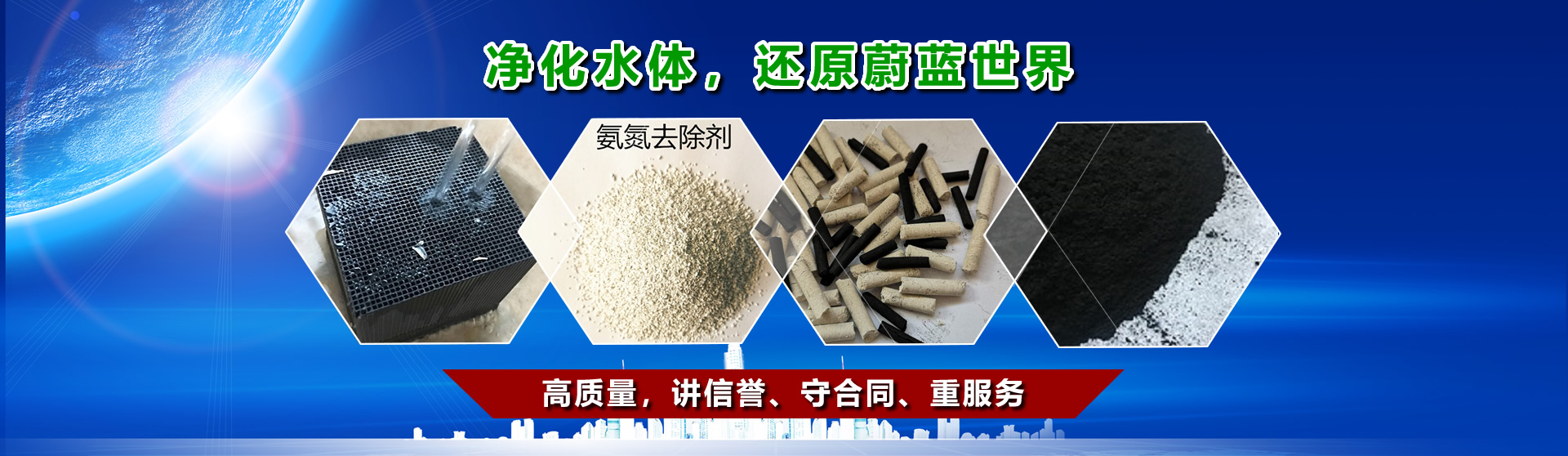

Activated carbon, also known as activated carbon black, is an amorphous carbon in the form of black powder or granules. Its main components, in addition to carbon, include oxygen and hydrogen. Due to the irregular arrangement of microcrystalline carbon and the presence of pores between cross-linkages, activated carbon has structural defects during activation, making it a porous carbon with low bulk density and a large specific surface area.
Active carbon's primary raw materials can almost be any organic carbon-rich materials, such as coal, wood, fruit shells, coconut shells, walnut shells, and more. These carbon-containing materials are converted into activated carbon through a pyrolysis process in an activation furnace under high temperatures and certain pressures. During this activation process, a vast surface area and a complex pore structure gradually form. The adsorption process occurs within these pores and on the surface. The size of the pores in activated carbon selectively adsorbs adsorbates due to the fact that large molecules cannot enter the activated carbon pores smaller than their own.
