
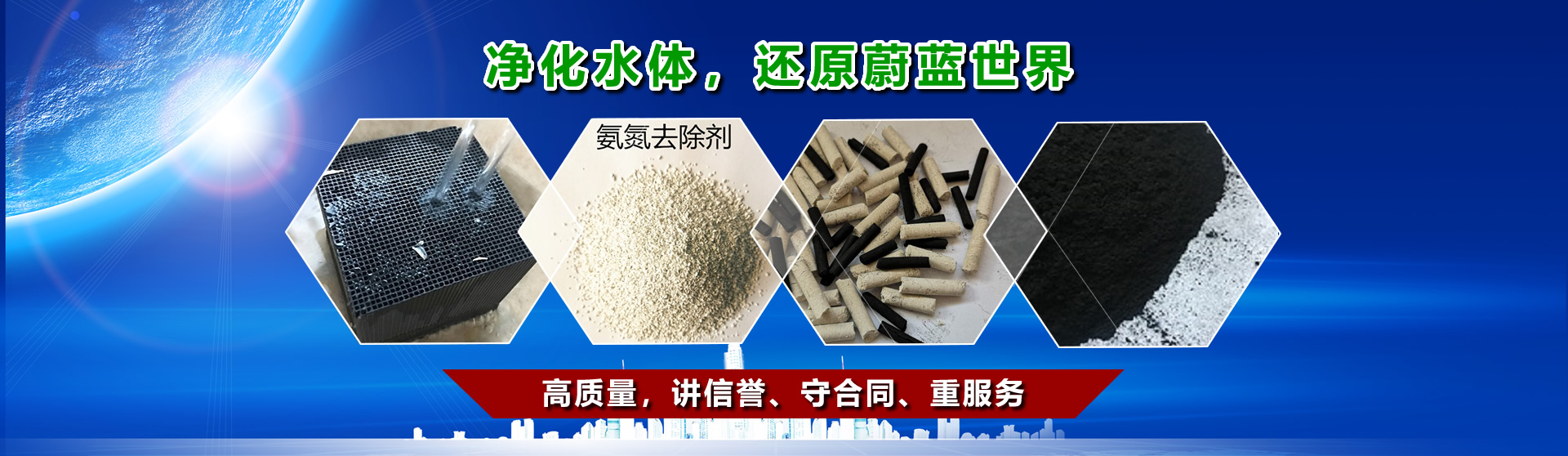
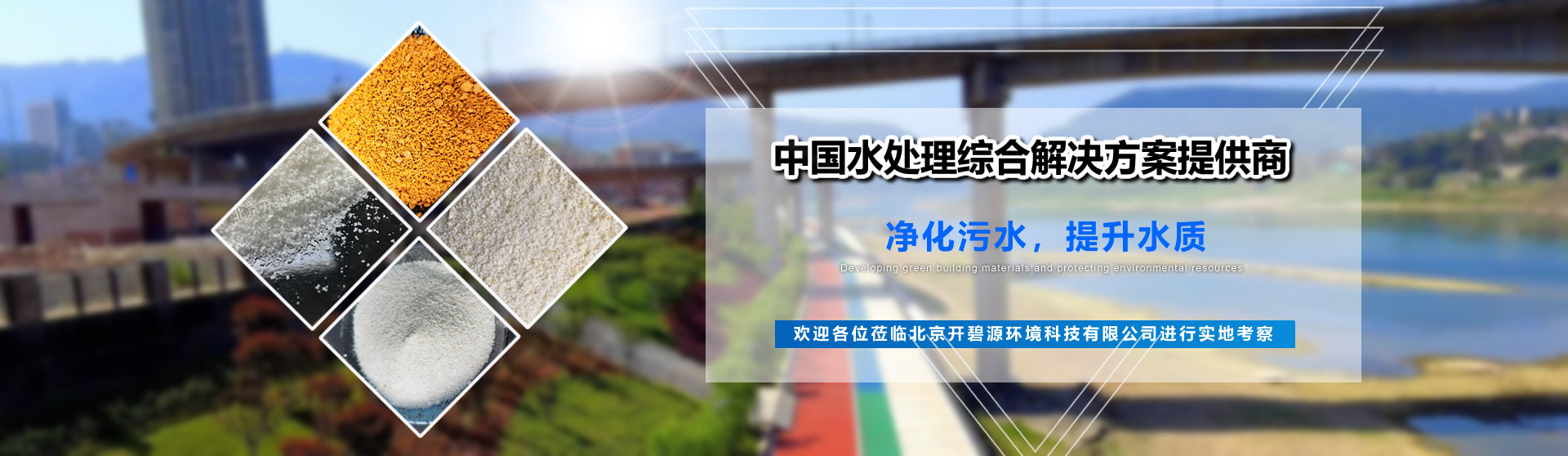

Granular activated carbon, produced from raw materials such as wood shavings and coconut shells through processes of crushing, mixing, extrusion, shaping, drying, carbonization, and activation, boasts lower ash content, fewer impurities, and a superior CTC (carbon to ash ratio) compared to traditional coal-based granular carbon. This type of activated carbon has a broad range of adsorption capabilities and is highly adaptable in wastewater treatment, demonstrating strong adaptability to changes in water quality, temperature, and volume. The adsorption method using granular activated carbon can effectively remove pollutants that cannot be purified by biochemical methods, such as color, odor, methylene blue active substances, oils, herbicides, pesticides, agricultural chemicals, and synthetic detergents.
Five key advantages of granular activated carbon:
1. The lifespan is 4-5 times longer than that of ordinary coal-based activated carbon.
2. High adsorption and desorption capabilities, significantly enhancing the recovery rate of solvents.
High strength, low ash content, and a reasonable pore size distribution.
High value for money, suitable for facilities with organic gas recovery and utilization.
High ignition point for safe use.
