
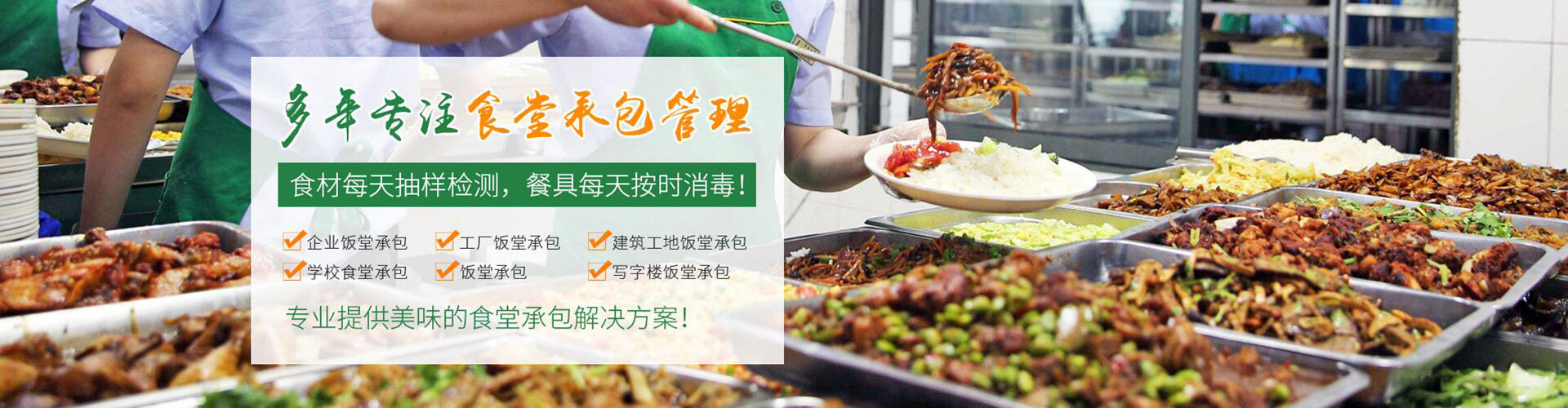



The factory cafeteria is a densely populated area. Based on the staff composition of the factory, we have formulated a catering management plan. We serve meals daily in a balanced ratio of high, medium, and low-priced dishes, starting from 1 yuan per serving for the lowest priced dish to 4 yuan per serving for the highest. The variety is rich and the prices are reasonable, catering to different levels of consumption. We continuously adjust and innovate our menu to enhance cafeteria satisfaction.
The environment of kitchen processing facilities (including floors, drainages, walls, ceilings, doors, and windows, etc.) should be kept clean and in good condition.I. Business Model
The cafeteria contract is professionally managed and supervised by us, providing employees with a rich variety of dining services. We handle the procurement of food sales materials, cost expenditures, and the inspection of food materials, implementing a regular registration system with guidance and supervision.
Section II: Business Content
Employees provide a three-meal-a-day service with a selection of breakfast, lunch, and dinner dishes, offering both northern and southern flavors for free choice based on personal preference.
Section III: Cooperation Methods
We provide restaurants, kitchens, and their corresponding facilities, kitchenware, utilities, fuel, staff dormitories, etc.
The dining tables, chairs, and benches should be kept clean.Payment Methods
Payment Method for Catering: In January, card payments will be used, with employees' meal expenses paid to them within a month based on the actual amount spent.
Five, dining options include fast food, exquisite sets, and guest reception.
Breakfast: Congee, milk, yogurt, soy milk, eggs, steamed buns, meat buns, bread, fried dough sticks. Lunch: Rice, fried noodles, fried rice, steamed buns, meat buns; Main Course: Over 20 dishes (including both meat and vegetarian options); Green Vegetables: Over 10 dishes; Soup: 1 free soup.
To standardize the daily operational management of the restaurant's dishwashing area, enhance efficiency, and ensure that all tableware is promptly cleaned, this regulation is hereby established.
Dishware should be categorized, packaged, and washed separately.
2. Strictly adhere to the four-pass sanitation system: one wash, two washes, three brushings, and four disinfections, implementing the principle of cleanliness.
Washing room waste should be placed in a designated, covered bin and disposed of promptly.
4. The sink in the bathroom and other facilities must be disinfected after each cleaning to ensure a germ-free and non-toxic environment.
5. Laundry raw materials (such as detergents, alkali powder, etc.) and laundry supplies should be stored in designated cabinets.
Items and utensils used for cleaning and disinfection in the restaurant should be properly stored in designated areas.Section 7: Employee Health Management
Employees are required to undergo a health check-up at least once a year, with additional temporary checks as needed.
2. Employees commencing new or temporary positions must obtain a health certificate before starting work.
3. Conduct health knowledge training for new or temporary staff, and they may start work only after passing the training.
