
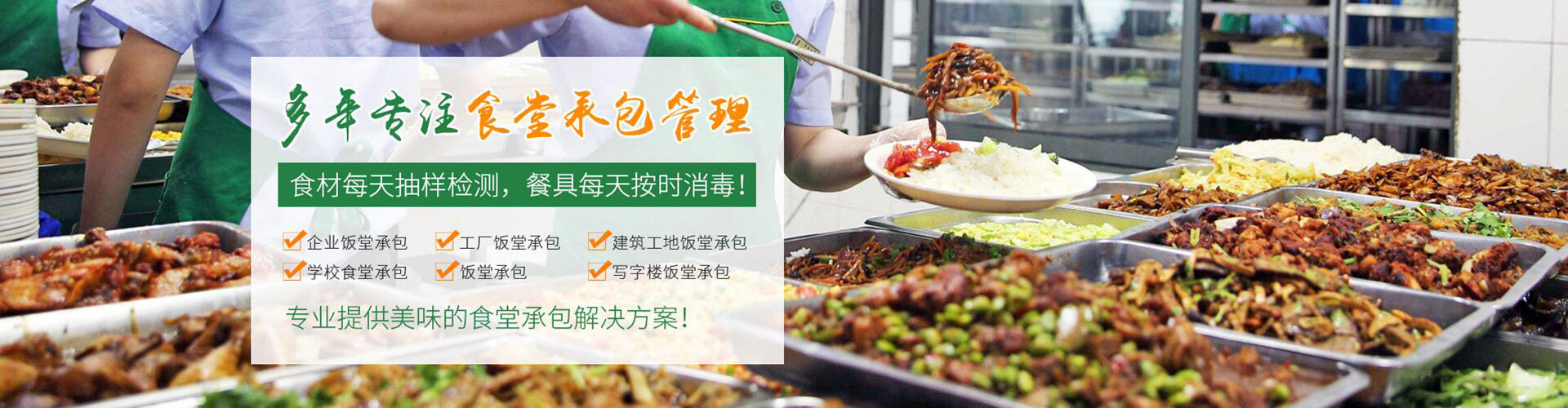
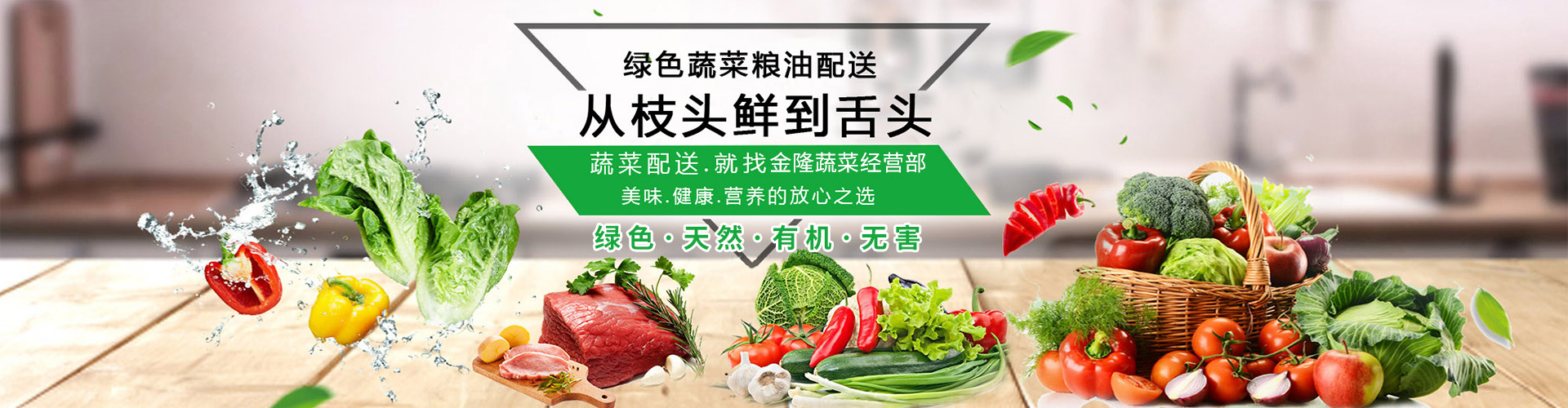
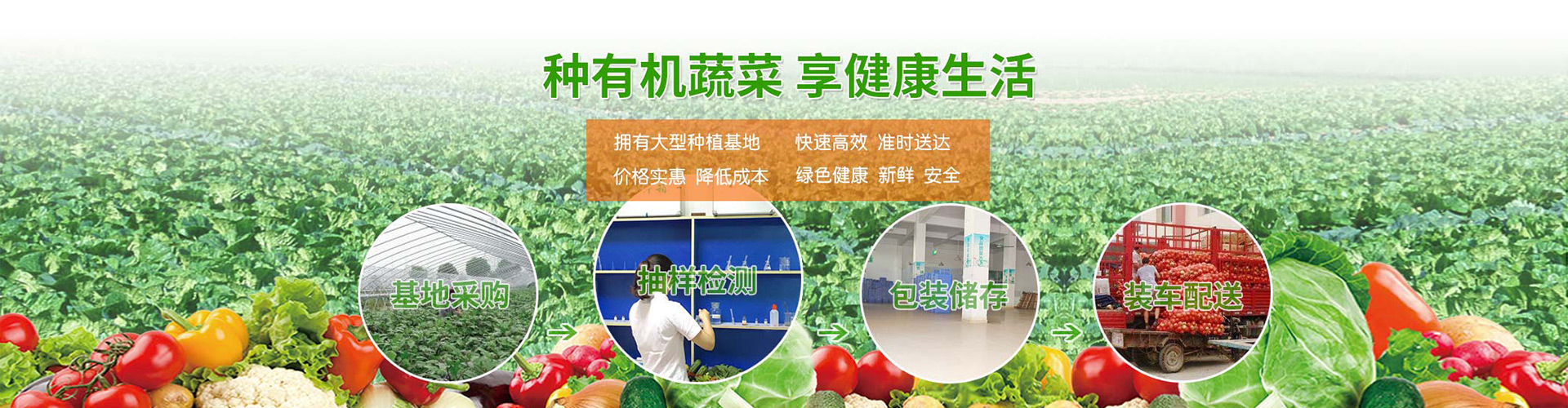

Our core business is to provide consumers with healthy ingredients, offering a one-stop agricultural product service from eco-farms to customers' tables. We are committed to continuously optimizing and upgrading our operational model to reduce customer costs and enhance supply efficiency. Operating on the model of "Eco-Agricultural Base + Urban Service Center + Agricultural Product Logistics," we have built competitiveness through the integration of upstream and downstream resources. We have integrated nearly 60 eco-agricultural bases nationwide, exporting a modern new agricultural management model, and implementing scientific monitoring and management throughout the entire process of sowing, cultivation, and harvesting.
Convenience in fruit and vegetable delivery enhances urban consumption, saving time, effort, and worry. Typically, corporate and institutional entities had to visit several supply points to purchase vegetables, with the purchase time often scheduled in the evening, which was both energy-consuming and time-consuming. By choosing a single fruit and vegetable delivery service provider, the procurement unit only needs to coordinate with one service, thereby reducing the client's time and procurement costs, and facilitating urban fruit and vegetable consumption.
The first step in fruit and vegetable distribution is to address the storage issue. Some say that only cold chain is needed, but in fact, cold chain is just a part of the fresh produce storage process.
To effectively address fresh produce storage issues, it's crucial to start from the source, particularly ensuring that all tools and equipment used in harvesting and transportation are clean and hygienic. Transport vehicles must be washed and disinfected before use. Once contamination occurs at the source, any subsequent protective measures become futile. Handle produce gently to avoid excessive damage to fresh fruits and vegetables.
Of course, the food distribution from our fruit and vegetable delivery service includes a variety of vegetables, which are a staple in our daily diets and in high demand. Common vegetable types are numerous, including leafy greens such as lettuce and amaranth, as well as cauliflower varieties like broccoli and cauliflower. Root vegetables include potatoes, yams, radishes, and sweet potatoes.茄果类蔬菜如茄子、tomatoes, and green peppers are also available, along with cabbage and kale from the brassica family. Cucurbit vegetables include pumpkins, melons, cucumbers, bitter melon, and luffa. Fungi options include mushrooms and tree ear mushrooms.
The fruit and vegetable distribution primarily encompasses seven key functional elements: collection, sorting, allocation, assembly, transportation, delivery service, and distribution processing. These seven elements are crucial and indispensable:
1. Consolidation involves gathering scattered or small-batch items together for transportation and distribution purposes. Consolidation serves as the preparatory or foundational work for distribution, and its advantage lies in the ability to aggregate clients for a scaled consolidation.
2. Sorting involves categorizing items by type and the sequence of their incoming and outgoing storage, and then neatly stacking them. Sorting is a functional element that distinguishes distribution from other logistics forms and is a crucial supportive task for the success of distribution. It can also be said that sorting is an inevitable requirement for the development of delivery into a formalized process.
3. Our picking and packing process involves utilizing various picking and conveying equipment to sort stored items according to customer specifications, ensuring complete sets are delivered to the dispatch location.
4. Matching and assembly: Consolidating shipments from different customers for optimized loading to fully utilize transportation capacity and efficiency. Unlike standard delivery, this method improves delivery standards and reduces costs.
5. For distribution and transportation, which typically involves shorter distances, smaller scales, and higher quotas, trucks are generally used as the means of transport. How to combine routes and how to effectively match the loading and routing are characteristics of distribution and transportation, as well as challenging tasks.
6. Delivery Service: Successfully completes the handover of goods delivered, efficiently and conveniently handles related procedures and settlements, and also emphasizes the unloading location and method—unique characteristics of the distribution service.
7. Distribution Processing: Distribution processing is the logistics processing carried out according to the customer's distribution requirements. While it is a type of logistics processing, distribution processing has distinct features different from general logistics processing, mainly that it generally depends solely on customer demands and has a more singular purpose in processing.
Fruit and Vegetable Delivery Notice:
Schedule: Timely picking and shipping.
2. Transportation Arrangement: Schedule trucks for night deliveries to avoid traffic congestion, choose shorter routes, and select transportation routes based on the non-collision characteristics of vegetables.
3. Freshness Solution: The overall design concept is that disinfectant products flow with the water. Throughout the packaging process, wherever water is used, Nufo disinfectant can be applied. Additionally, the disinfectant strictly controls the number of personnel and equipment, as well as the surfaces of other objects, to reduce contamination from the source.
There are many considerations for fruit and vegetable delivery, but there are three key aspects to focus on. First, excellent service is crucial, as the delivery personnel's service directly impacts customer loyalty. Poor service not only wastes all previous efforts but also negatively affects the delivery brand's reputation through word-of-mouth, thereby impacting market promotion. Second, fast delivery speed is essential in today's fast-paced world; companies with quick delivery are more favored by consumers, and this is also one of the key labels many businesses are actively cultivating. Third, proper moisture and freshness preservation of the products must be ensured during the delivery process. This not only concerns the satisfaction of downstream consumers but is also vital for upstream fresh produce e-commerce companies. Only by doing so can one ensure a continuous stream of business.
News Center Co., Ltd.
