

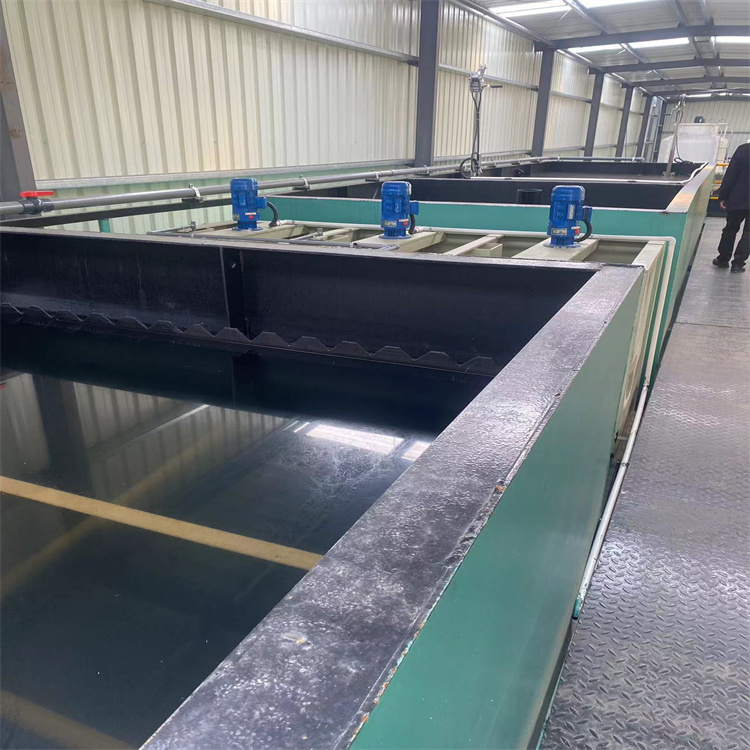
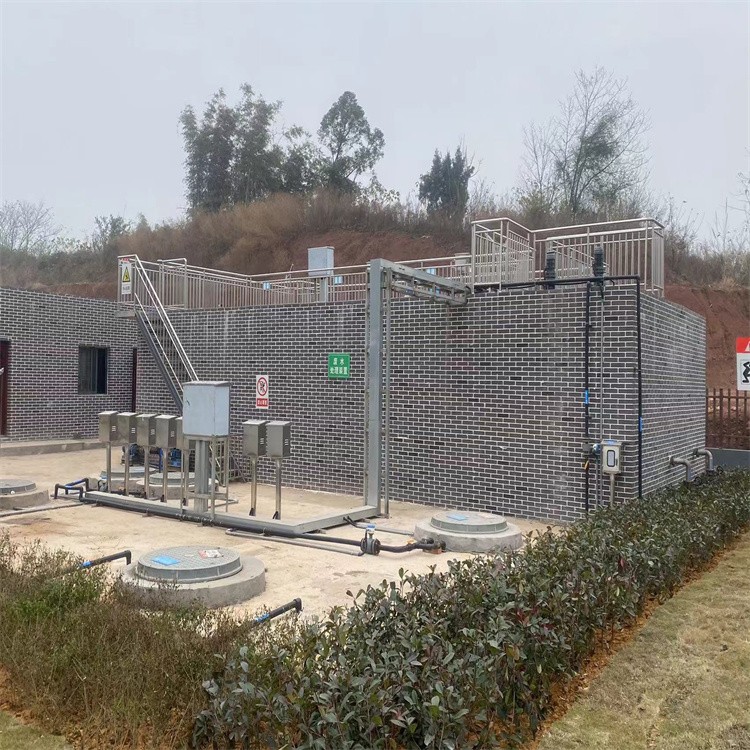
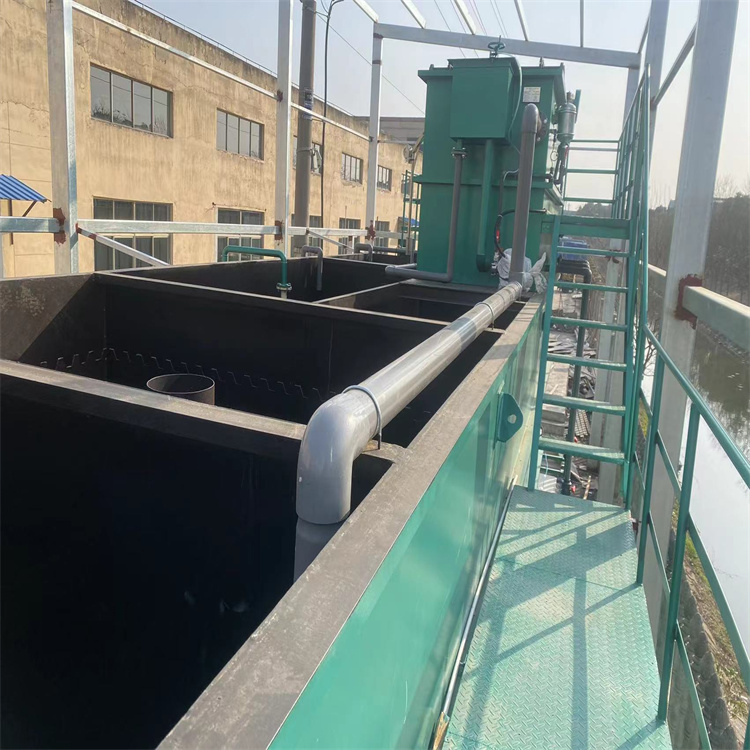

Product Description: Advanced wastewater treatment equipment featuring state-of-the-art biological processes, designed to remove BOD5, COD, and NH3-N. It is the latest in wastewater treatment technology. Widely used in residential areas and villa communities for domestic sewage treatment.
I. Overview:
Utilizing the world's most advanced biotechnology for wastewater treatment, it effectively removes BOD5, COD, and NH3-N, making it the most advanced wastewater treatment equipment available. It is widely used in residential areas and villa communities for domestic wastewater treatment, replacing the low-efficiency systems that fail to meet national comprehensive discharge standards. Field applications have demonstrated that this wastewater treatment equipment offers excellent treatment results and is easy to manage.
II. Process Introduction:
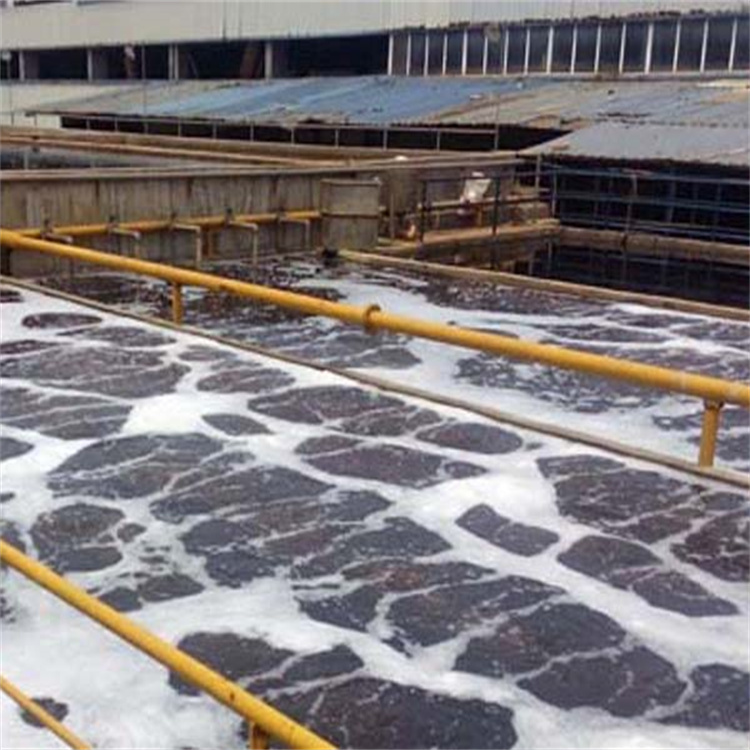
The integrated wastewater flows through a格栅 to remove large suspended particles before entering the wastewater equalization pond. After equalization in the pond, the wastewater is controlled by a level gauge and pumped into the hydrolysis pond using anaerobic microorganisms to degrade pollutants such as N, P, CODcr, and BOD5. Elastic fiber composite media are suspended in the hydrolysis pond to increase microbial quantity. The pond contains a high concentration of sludge mixture and biofilm, where organic matter is degraded by aerobic bacteria, enhancing the biodegradability of the wastewater. Additionally, under microbial action, organic nitrogen and ammonium nitrogen are converted into N2 and NxO gases. The effluent from the hydrolysis pond flows into the oxidation pond, where aerobic microorganisms convert NH4+ in the wastewater into NO2- and NO3-. With the help of the aerobic microorganisms attached to the elastic media in the pond, organic pollutants in the wastewater are decomposed, thereby reducing BOD5, CODcr, and other pollutant levels. The effluent from the contact oxidation pond is directly fed into the sedimentation pond. The settled sludge is appropriately aerated and pumped into the sludge pond for digestion. The pond's wastewater primarily undergoes sludge-water separation before flowing into the subsequent clear water disinfection pond for standard discharge. The accumulated excess sludge in the sludge pond is digested and periodically cleaned out by sludge pumps for external transport. The supernatant is recycled to the hydrolysis pond for denitrification and nitrogen removal treatment.
III. Operating Principle:
The removal of organic pollutants and ammonia nitrogen in wastewater treatment equipment primarily relies on the A/O biological treatment process within the equipment. The working principle involves the A stage, where the high organic content of the wastewater keeps the microorganisms in an anaerobic state, making them facultative microorganisms. These microorganisms convert organic nitrogen in the wastewater into NH3-N, and simultaneously use organic carbon as an electron donor to convert NO2-N and NH3-N into N2. Additionally, they utilize organic carbon sources and NH3-N to synthesize new cellular material. Thus, the A stage not only has the function of removing organic matter but also reduces the organic load of the subsequent aerobic stage, benefiting the nitrification process. It also completes denitrification, eliminating eutrophication pollution of nitrogen, due to the higher concentration of organic matter in the raw water. In the O stage, with the organic content significantly reduced but still producing a certain amount of CO2 and H2O through decomposition, autotrophic bacteria (nitrifying bacteria) use the inorganic carbon produced by the decomposition of organic matter or atmospheric CO3 as a nutrient source to convert NH3-N in the wastewater into NO2-N and NO3-N. A portion of the effluent from the O stage is recycled back to the A stage, providing electron acceptors for the A stage. This process eliminates nitrogen pollution through denitrification.
Four, Features:
1. Wastewater treatment equipment can be buried below ground level, allowing the surface to be used for landscaping or plaza purposes. Thus, the equipment does not occupy any ground space, does not require a building, and does not need heating or insulation.
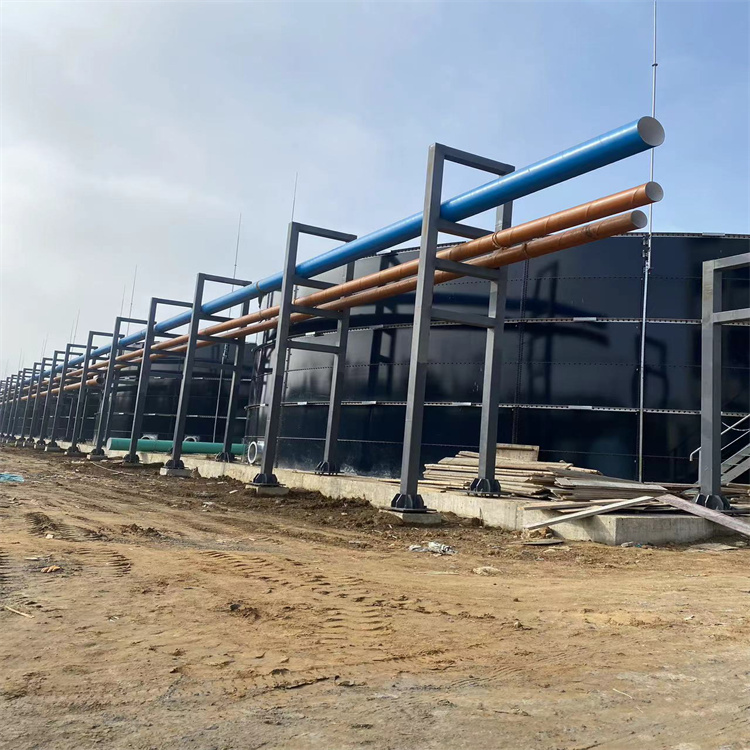
2. The wastewater treatment equipment consists of secondary tanks made of steel structure and is coated with anti-corrosion paint, a domestically innovated interpenetrating network coating. It's a polymer formed by rubber and plastic networks interpenetrating each other. It is resistant to acids, alkalis, salts, gasoline, kerosene, aging, abrasion, and can prevent rust on rusty surfaces. Generally, after applying this coating, the equipment's anti-corrosion lifespan can reach over 15 years.
3. The A/O biological treatment process in the wastewater treatment equipment utilizes a plug flow biological contact oxidation pool, which offers superior treatment effects compared to complete mix or two/three-stage serial complete mix biological contact oxidation pools. Additionally, it is smaller in volume than the activated sludge pool, highly adaptable to water quality, has good shock resistance, and ensures stable effluent water quality without sludge bulking. Moreover, a new type of elastic three-dimensional packing is employed in the sludge contact oxidation pool, featuring a larger actual specific surface area, ease of microbial film formation and removal, and higher organic removal efficiency compared to other fillings under the same organic load conditions. It also enhances the solubility of oxygen in water from the air.
4. Due to the use of a biological contact oxidation pond in the A/O biological treatment process, the volume load of the fill material is relatively low, and the microorganisms are in the self-oxidation phase, resulting in less sludge production. Moreover, the sludge moisture content generated by the biological contact oxidation pond is significantly lower than that of the sludge produced by the activated sludge pond. Therefore, the amount of sludge produced by the SQWSZ series treatment equipment is less, and it generally requires draining only once every 180 days or so.
5. In addition to conventional noise reduction measures such as vibration isolation pads and mufflers, the wastewater treatment equipment also features new sound-absorbing materials on the interior walls of the blower room, ensuring the noise level during operation is below 50 decibels, thus minimizing its impact on the surrounding environment.
6. The wastewater treatment equipment is equipped with soil deodorization facilities. It utilizes the upper space of the reinforced concrete structure pond to set up improved soil and pipe networks. When the malodorous components dissolve in the soil moisture within the soil layer, they are then transferred to the soil due to the surface adsorption and chemical reactions, where they are decomposed by microorganisms to achieve deodorization.
7. Equipped with a full automatic system for wastewater treatment and a damage alarm system for equipment, the equipment boasts high reliability, thus generally requiring no dedicated personnel for daily management. Routine maintenance and care are typically needed only monthly or quarterly.
