

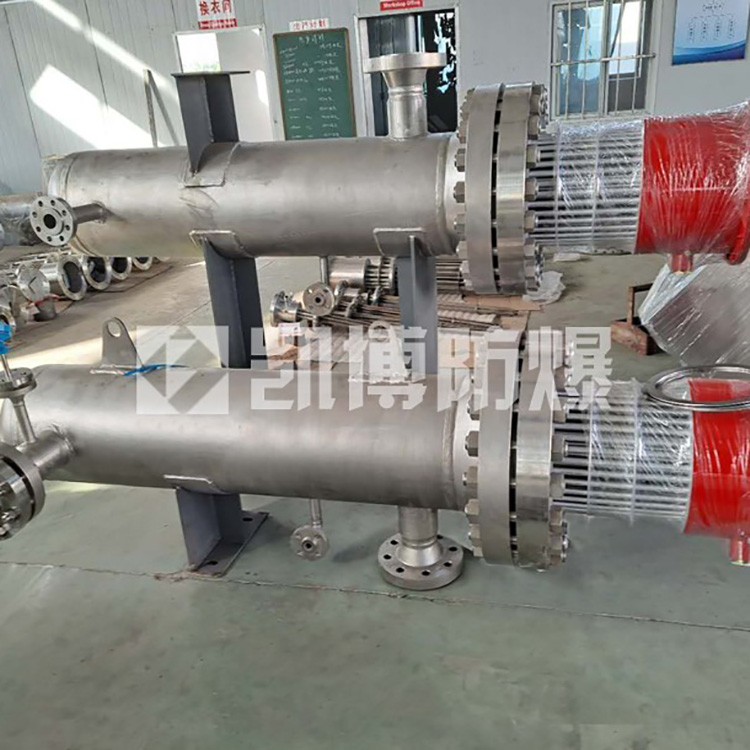
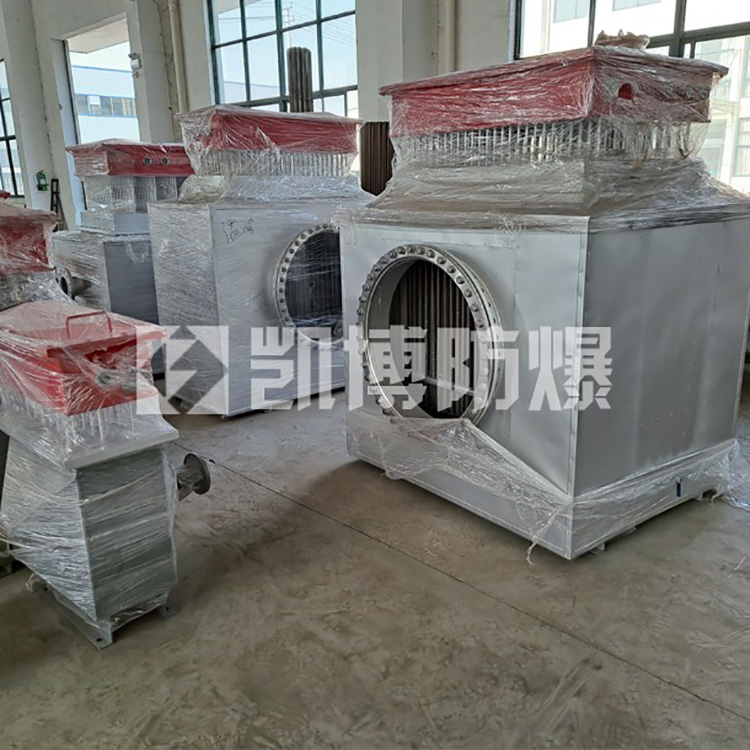
Specialty in selling various modelsElectric HeaterAvailable for customization as required:
30KW, 40KW, 60KW, 90KW, 120KW, 150KW, 180KW, 240KW, 300KW, 400KW, 500KW, etc.
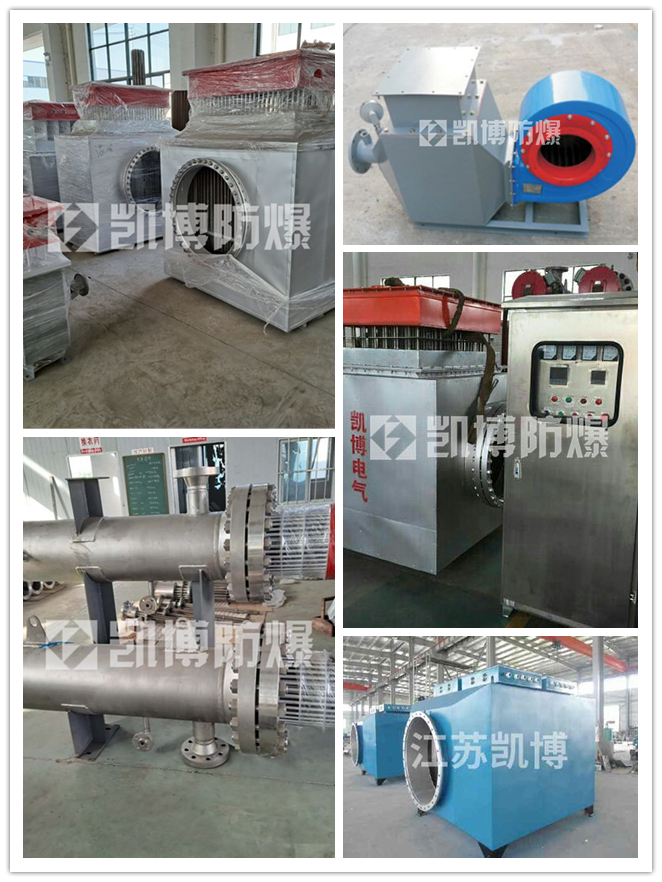
Widely used in high-temperature shaping, panel heating, rubber, drying, dyeing, chemical industry, plywood production, waterproof membrane production, asphalt heating non-woven hot rolling machines, fiber glass hot pressing machines.
Vessels, molds, drying rooms, ovens, etc., for all heat-intensive industries.
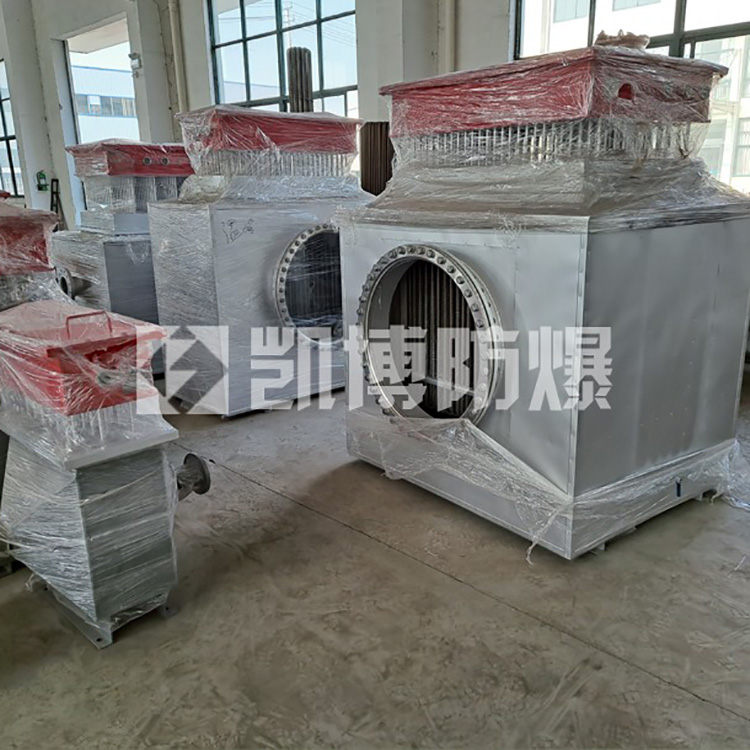
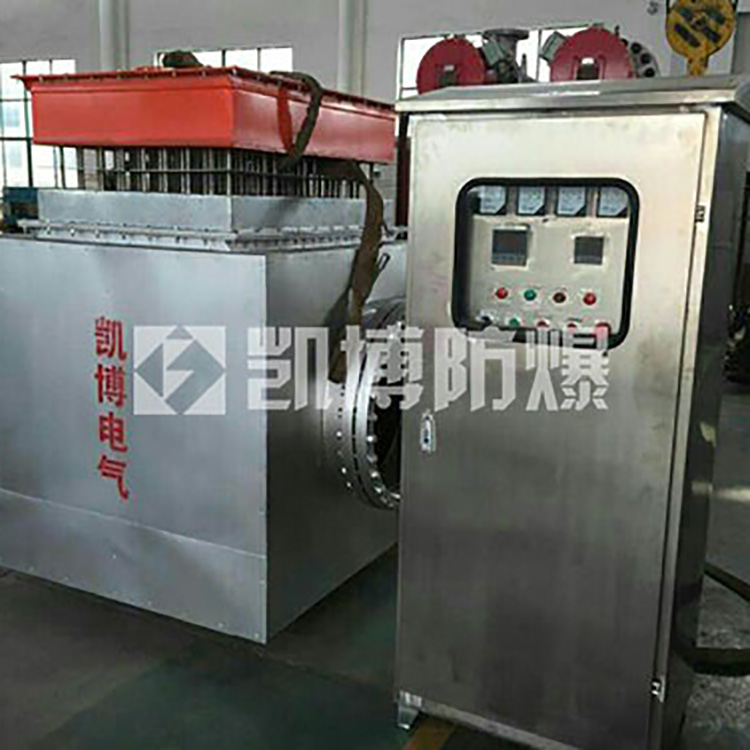
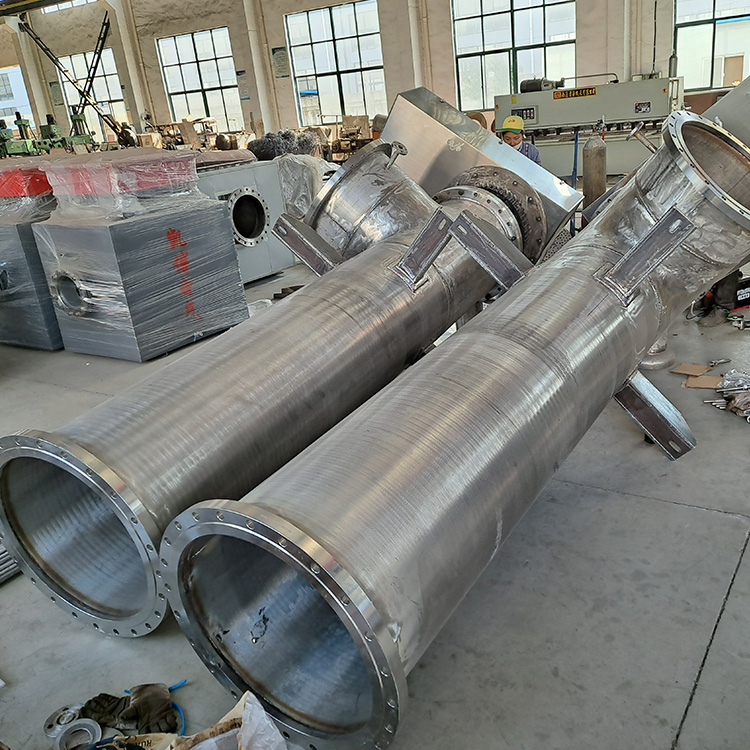
Air Duct Environmental Protection Flue Gas Electric Heater Product Features
The electric heating tube is made of externally coiled corrugated stainless steel strip, which increases the heat dissipation area and greatly enhances the heat exchange efficiency.
2. The heater is designed with reasonable engineering, offering low air resistance, even heating, and no high or low temperature dead zones.
3. Dual protection for enhanced safety. Equipped with a thermostat and a fuse on the heater, it can control over-temperature of the air duct and prevent operation without air flow, ensuring foolproof performance.
The Industrial Duct Flue Gas Electric Heater is primarily used for air heating within ducts. It comes in three specifications: low temperature, medium temperature, and high temperature. The common structural feature is the use of steel plates to support the electric heating tubes to reduce vibration, with over-temperature control devices installed in all junction boxes. Additionally, in terms of control, besides over-temperature protection, a linkage device is installed between the fan and the heater to ensure that the electric heater must start after the fan. A differential pressure device is added before and after the heater to prevent fan failure. The gas pressure heated by the duct heater should generally not exceed 0.3 Kg/cm2. If a pressure above this is required, please choose a circulating electric heater; the low-temperature model's gas heating temperature should not exceed 160℃; the medium-temperature model should not exceed 260℃; and the high-temperature model should not exceed 500℃.
