


- AllProduct Category
-
Air Heater
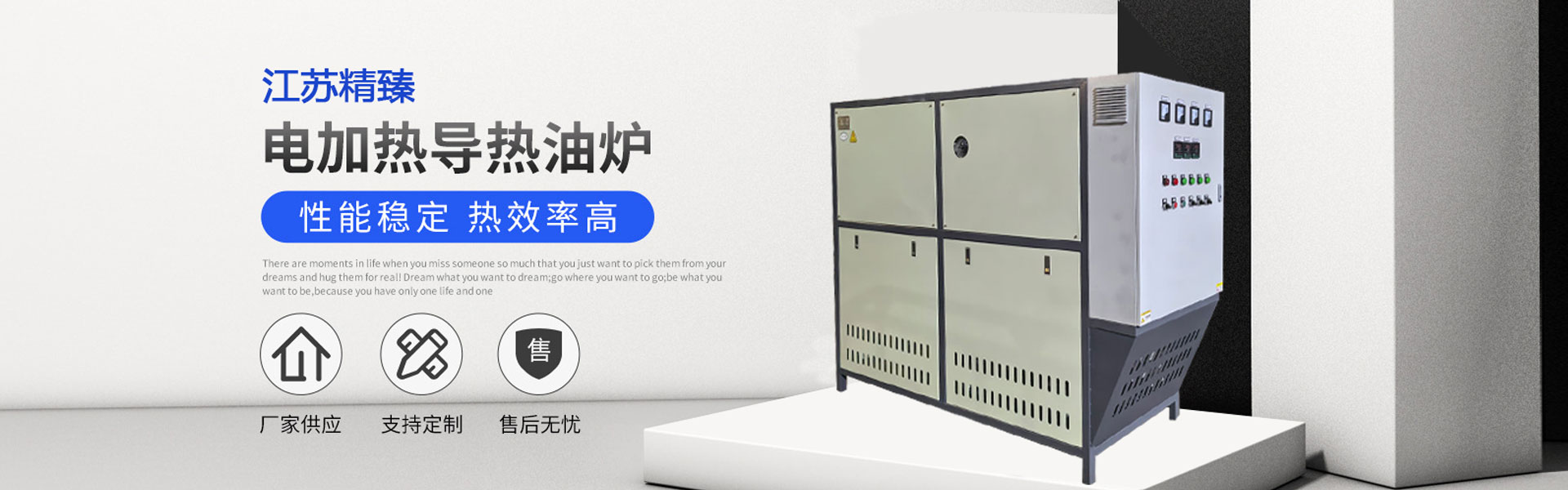
Thermal Oil Furnace
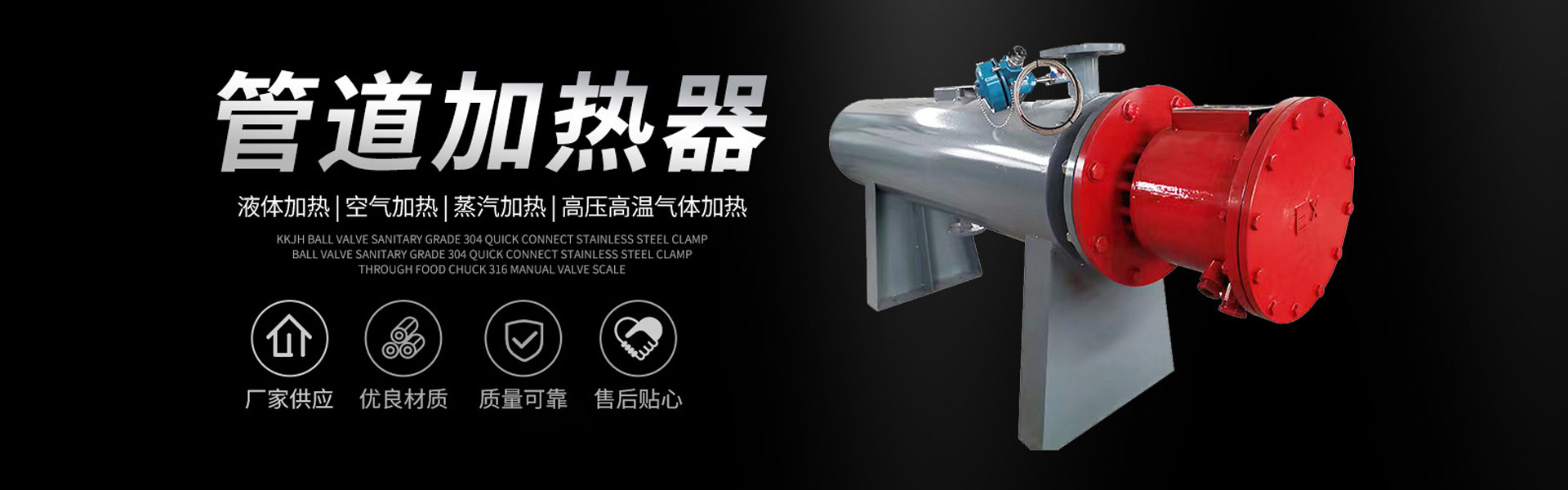
Explosion-Proof Pipe Heater
Smoking Heater
Industrial Hot Air Furnace
Hot Air Heater


详情描述
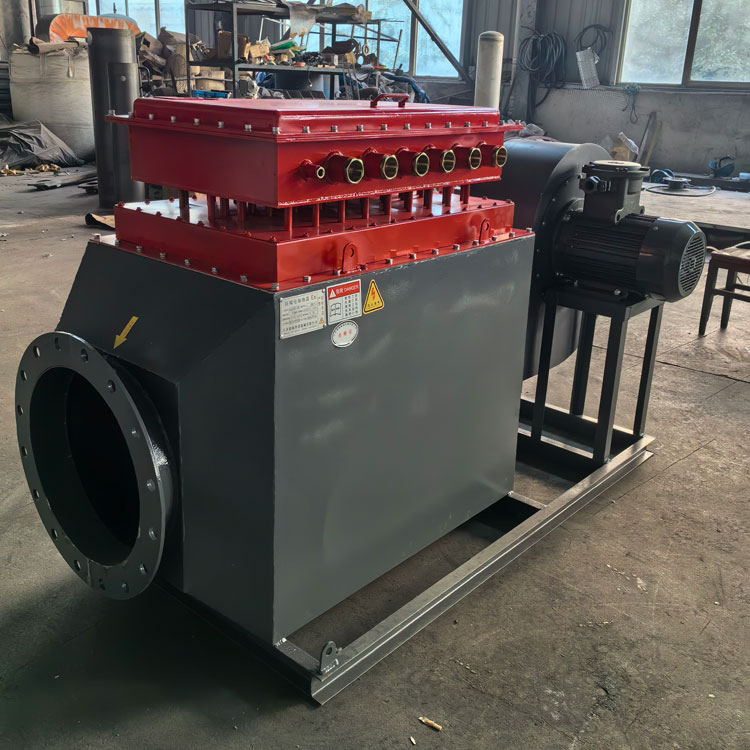
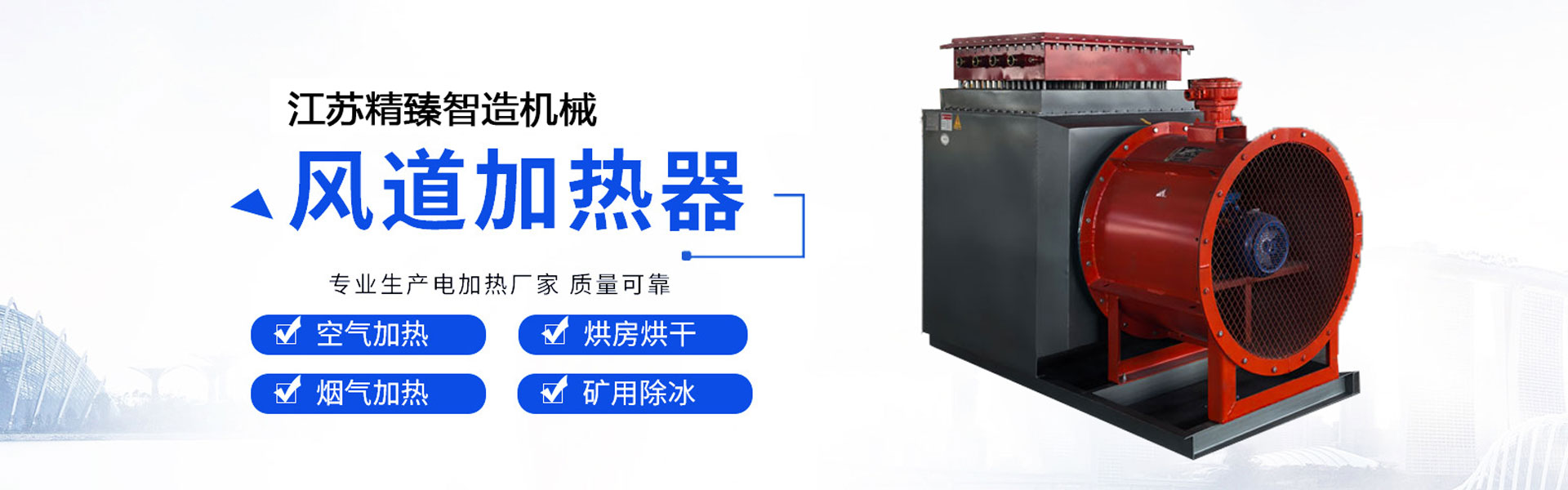
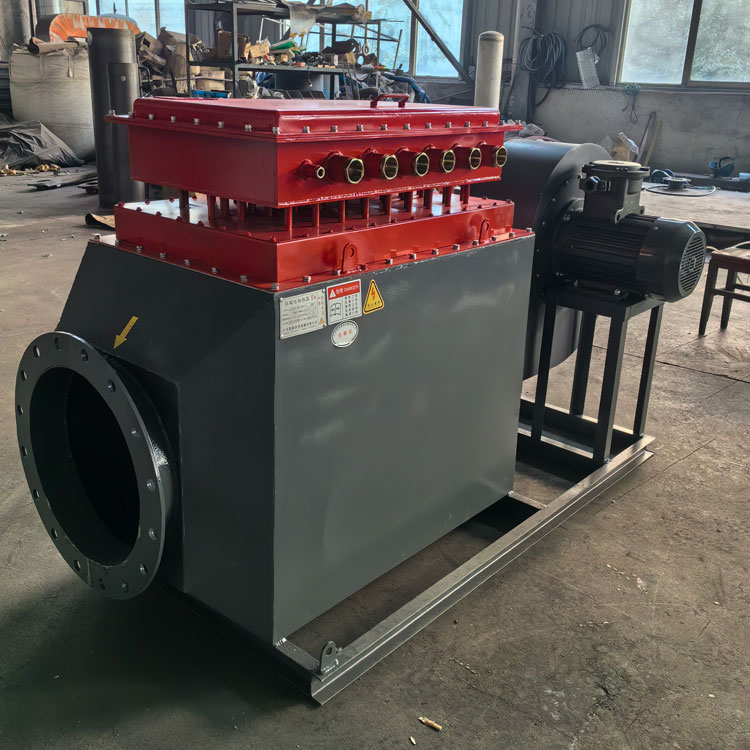
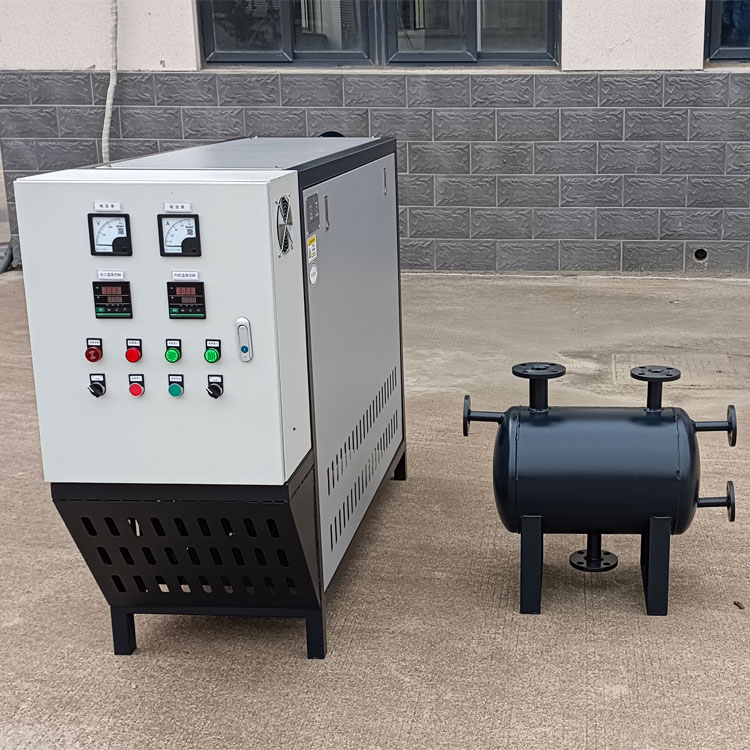
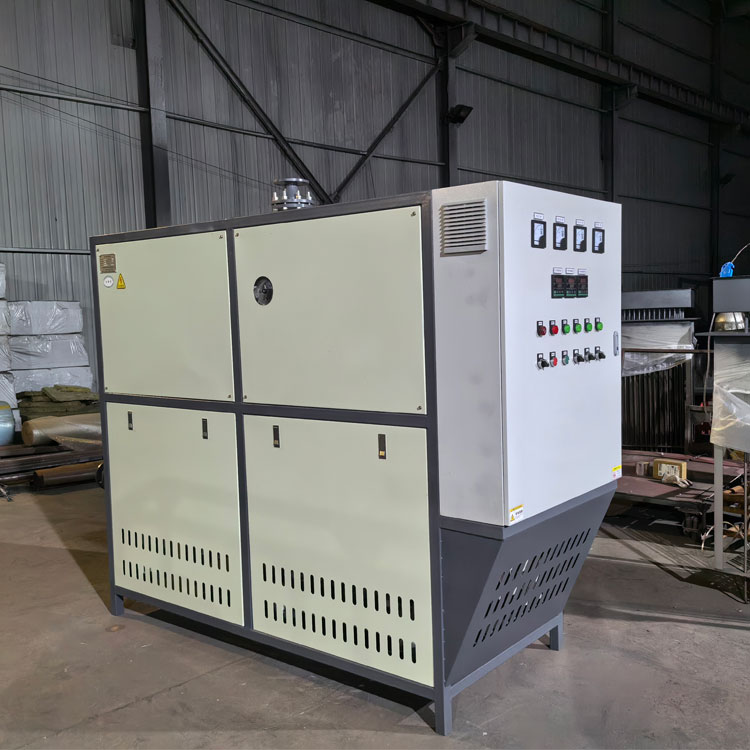
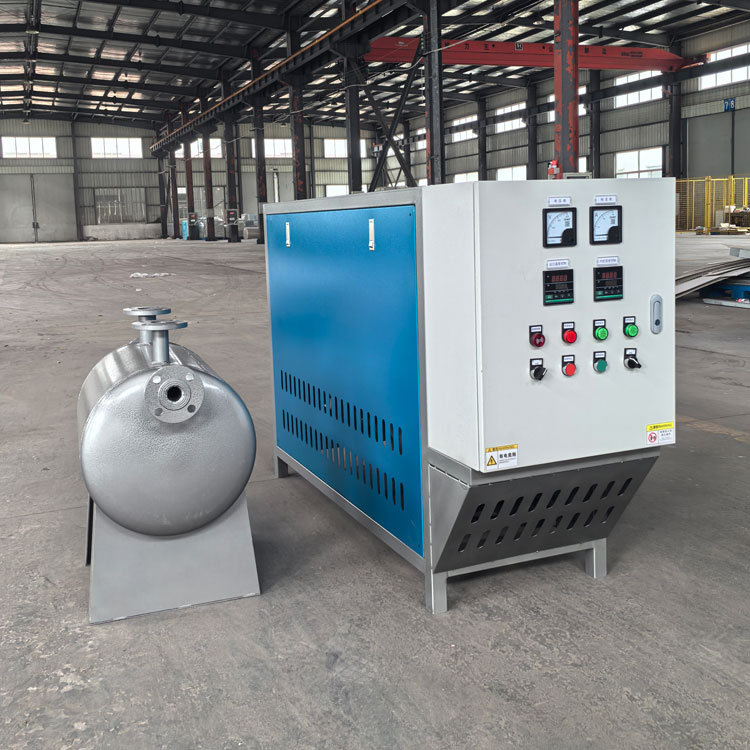
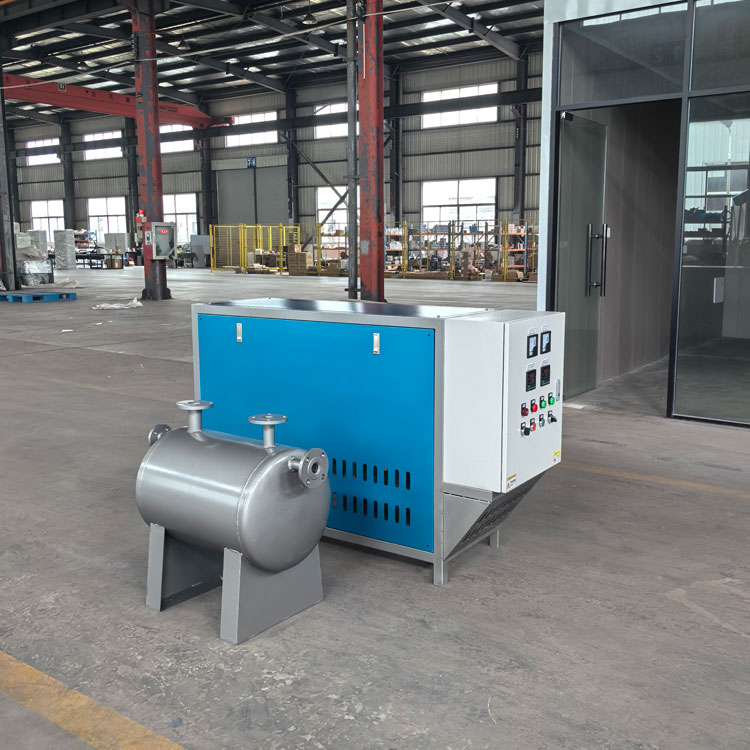
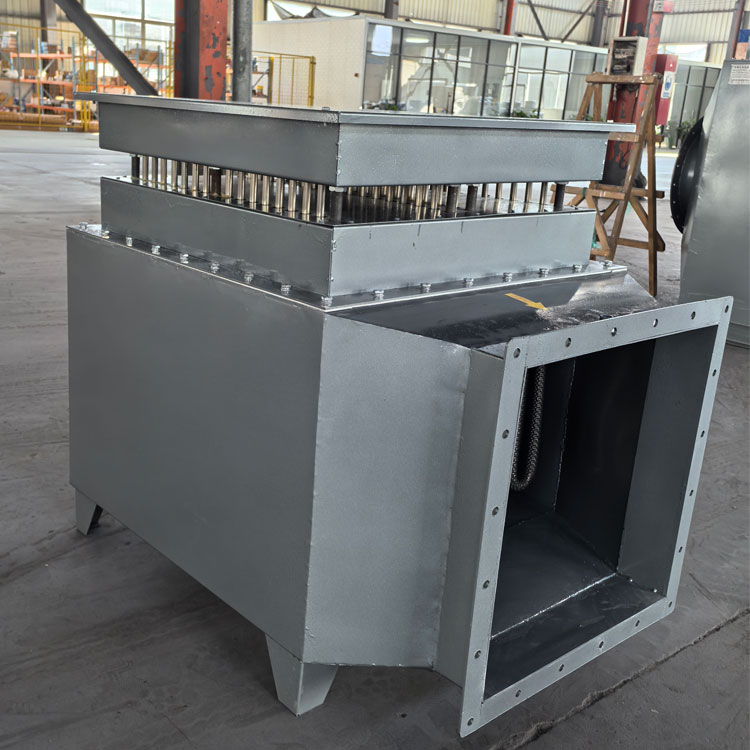
Duct heaters, also known as duct-style heaters or duct electric heaters, are specialized devices designed for air heating within ducts. Below is a detailed explanation:
I. Structure and Composition
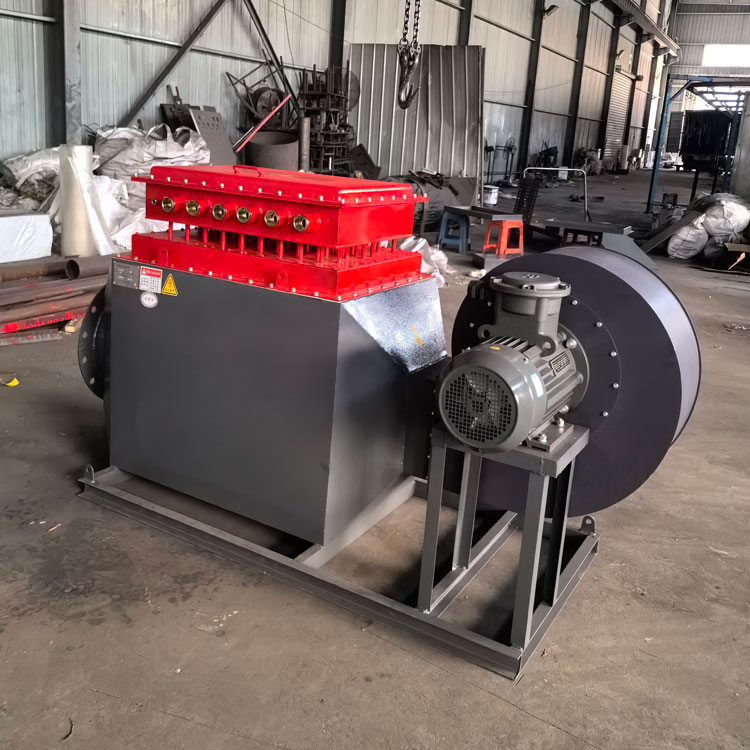
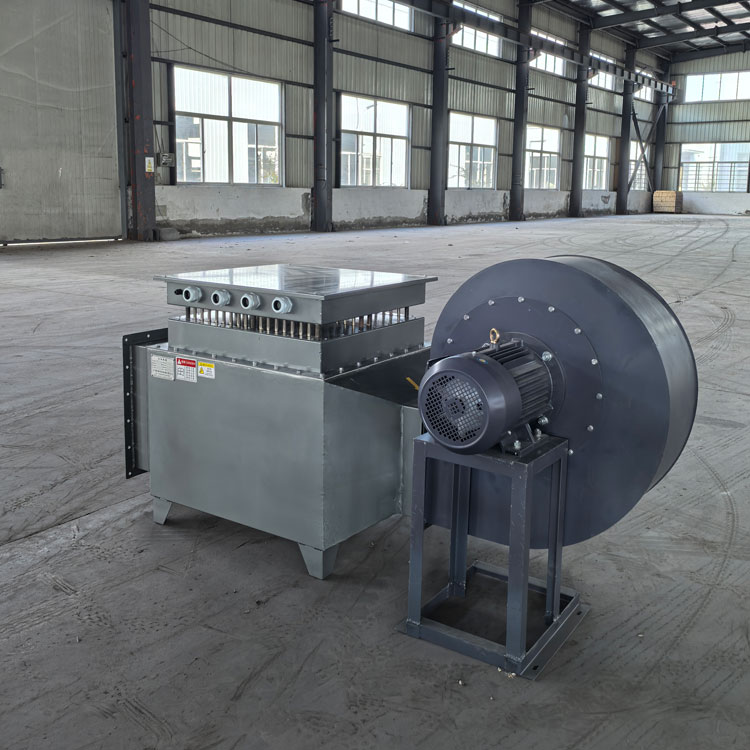
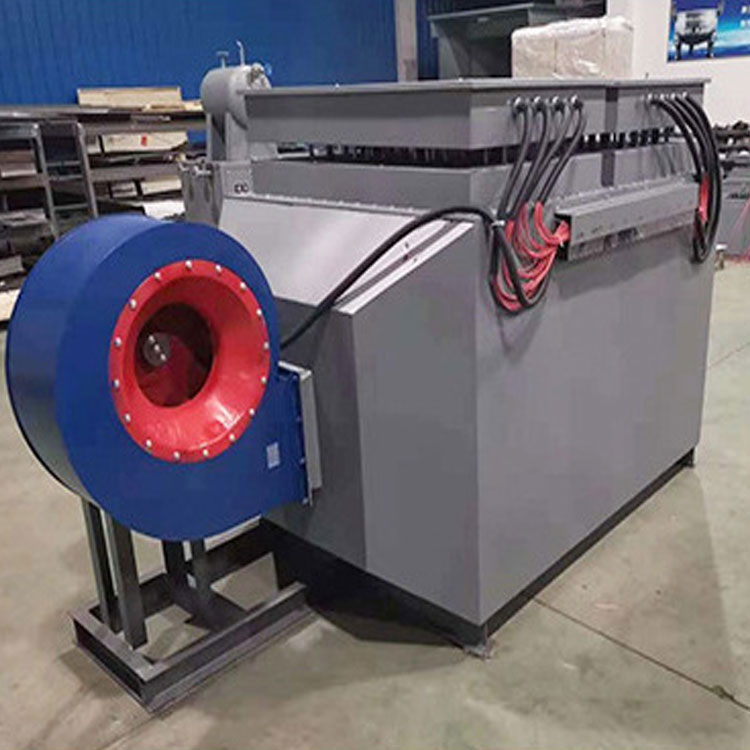
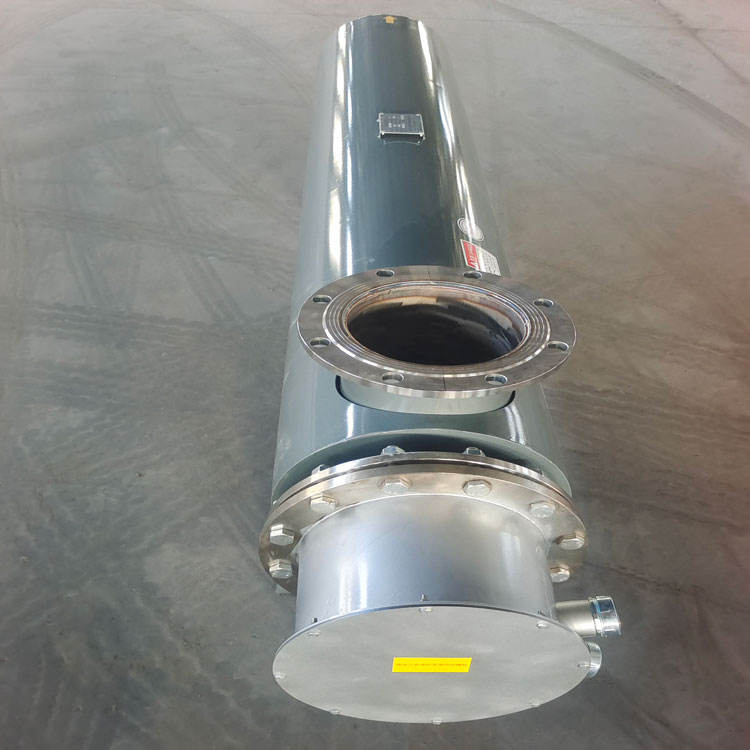
The duct-type heater is mainly composed of the inner chamber, multi-bladed tubular electric heating elements, insulation layer, junction box, fan (optional), and control system, etc. Among them, the electric heating element is the core component of the heater, which heats up through the flow of electricity.
The function generates heat, raising the air to the desired temperature. The insulation layer is used to minimize heat loss, enhancing the heating efficiency.
II. Working Principle
The operation principle of the duct heater is relatively simple. When cold air blows through, it passes over an electric heating tube to be heated. The heated air, after passing through the exhaust outlet, collects temperature signals, which are then fed back to the control cabinet. Instruments on the control cabinet...
The table controls the heater's on/off operation based on the set target temperature, thereby achieving the purpose of constant temperature control.
III. Technical Features
High heating temperature: The duct-type heater can heat air to very high temperatures, usually up to 450°C, and even as high as 850°C. At the same time, the housing temperature is relatively low, typically around 50°C.
High heating efficiency: Due to the use of advanced electrical heating elements and optimized heat exchange design, the duct-type heater boasts an exceptionally high heating efficiency, exceeding 0.9.
Fast heating and cooling rates: The ducted heater has both rapid heating and cooling rates and relatively stable adjustments. This makes it highly suitable for automatic control systems, allowing for precise air temperature control.
Excellent mechanical properties: The air duct heater demonstrates superior mechanical properties and strength due to the use of specialized alloy materials as the heating element, under the impact of high-pressure air flow.
Long lifespan: Under normal operating procedures, the lifespan of the duct heater can last for decades.
Air Purification: The hot air produced during the heating process is dry without moisture, non-conductive, non-flammable, non-explosive, non-corrosive chemically, and pollution-free, ensuring safety and reliability.
Four, Application Fields
Duct heaters have been widely applied in aerospace, armaments industry, chemical industry, and scientific research and production laboratories of colleges and universities. They are particularly suitable for automatic temperature control and high-flow high-temperature combined systems and accessories testing. This
Additionally, due to its ability to heat any gas, the resulting hot air possesses numerous excellent properties, making it suitable for various applications such as drying, sulfuring, heat treatment, reheating, and dehumidification of different materials.


