
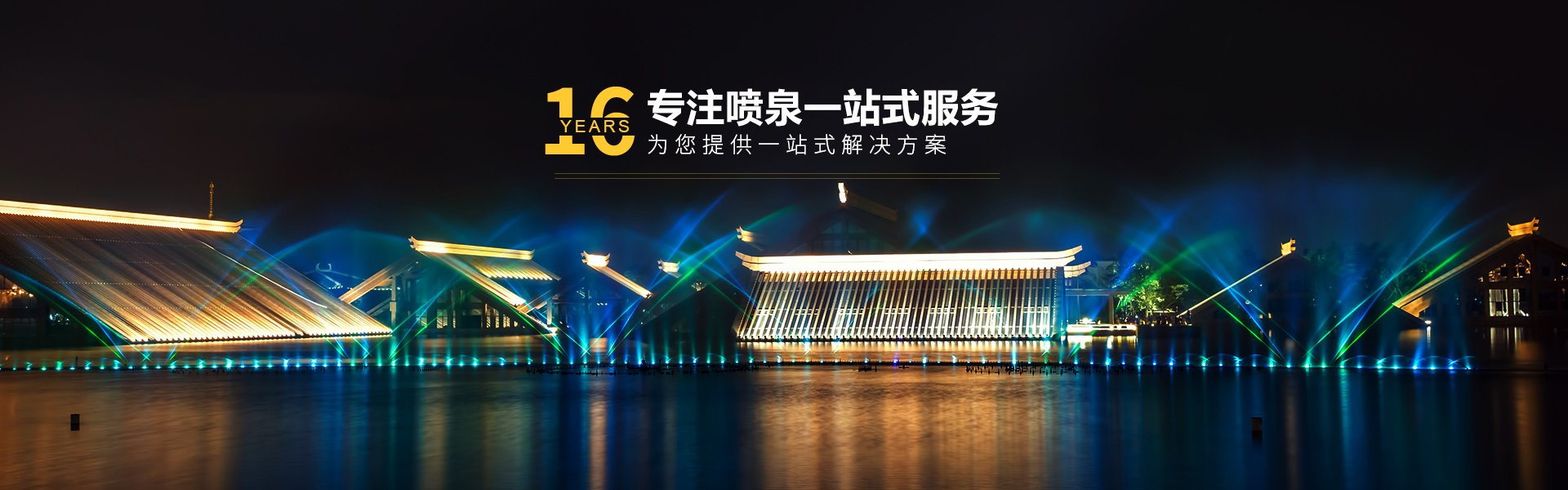

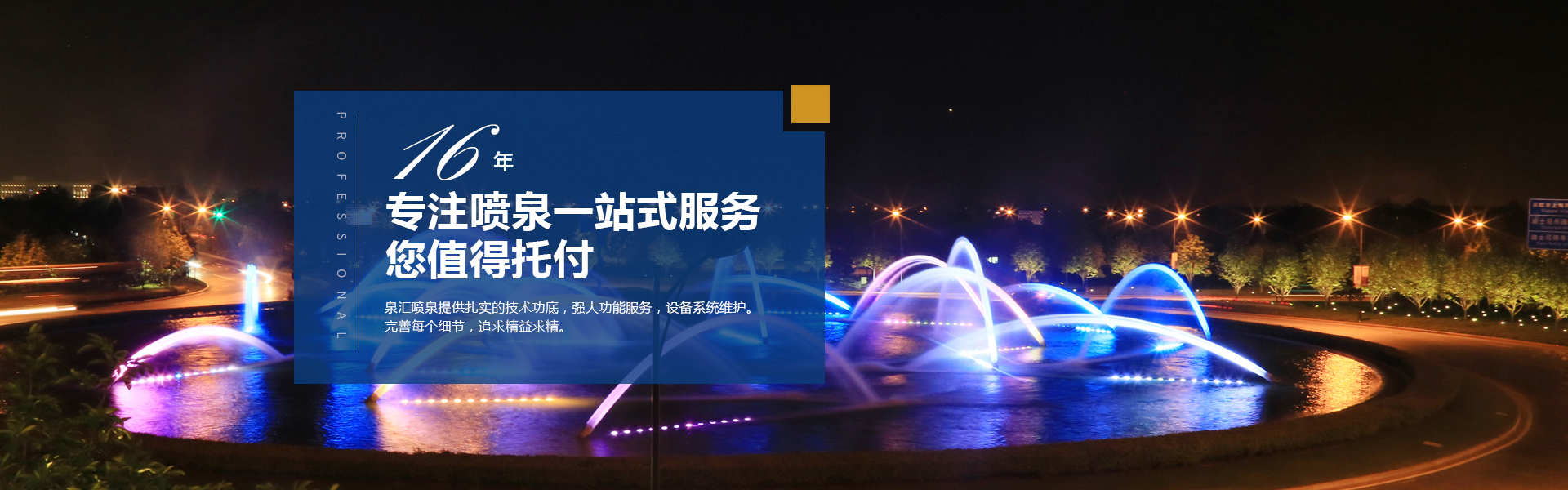


Fountains are quite common. Not only do they beautify urban environments and enhance the quality of public spaces like squares, parks, and hotels, but the negative ions produced during their spray can significantly improve the surrounding atmosphere. There is a wealth of information about fountains, and the following article mainly introduces the design knowledge of fountains. I believe many people are quite interested in this knowledge.
Choose the location of fountain design in areas with high foot traffic. Generally, the endpoints and intersections of axes, in front of buildings, at the center of squares, and in clusters of flower beds are suitable for installation. Additionally, small decorative fountains can be set up according to environmental needs, ensuring that the design is consistent with the surroundings. Pay particular attention to the theme, form, and water display effects of the fountain. The theme and form should complement the environment, serving to decorate and enhance the setting. Themed fountains require an environment that provides ample space for water display and association, so that people feel invigorated and relaxed through the artistic association with the fountain. Decorative fountains should be set against a backdrop of lush green evergreen trees, creating a tranquil and leisurely garden space. Fountains paired with sculptures often require an open lawn and exquisite, simple paving to highlight the setting.
Fountains are commonly used in urban squares and public buildings, widely employed in both indoor and outdoor spaces to adorn garden landscapes. They also increase local air humidity, reduce dust, and significantly enhance the concentration of negative oxygen ions in the air, thereby benefiting environmental improvement and promoting people's physical and mental well-being. The use of fountains achieves a great aesthetic effect. It is believed that these products will be increasingly utilized in the future.