


When a product needs to maintain high clock accuracy and stability under extreme temperature conditions, these two crystal oscillators are definitely a great help.
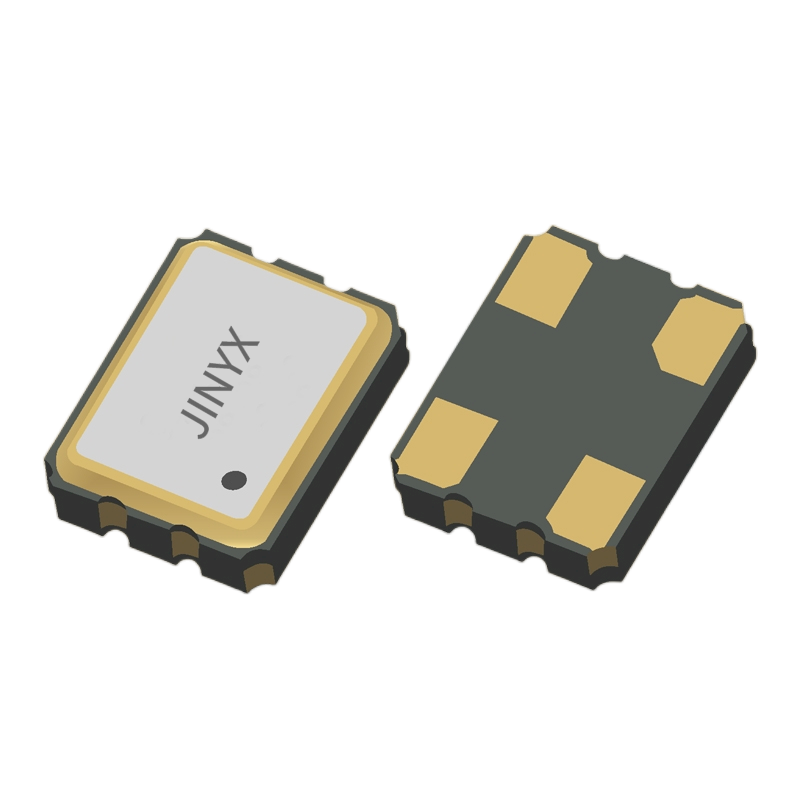
Firstly, there's the Temperature Compensated Crystal Oscillator (TCXO). This oscillator typically uses a temperature compensation circuit to adjust the oscillator frequency across different temperatures. Its temperature stability ranges up to +0.1 ppm or better. Common applications include GPS receivers, communication equipment, and satellite communication systems.
If higher clock precision is required, a different type is needed. The恒温晶振, abbreviated as CX0, utilizes a temperature-controlled device (such as a crystal oven) to maintain a constant temperature for the crystal oscillator chip. The chip is placed in a sealed, temperature-controlled environment to minimize the impact of temperature on the oscillator's frequency. The temperature stability can reach +0.005 ppm or better. Due to the superior performance of the temperature-compensated crystal oscillators, they are widely used in precision applications that demand high clock stability, such as satellite navigation, wireless communication base stations, scientific instruments, and precise measurement equipment.
Certainly, this also means that the price and design complexity of temperature-compensated crystal oscillators are higher than those of standard crystal oscillators. Therefore, choosing between a temperature-compensated crystal oscillator, a temperature-controlled crystal oscillator, or other types of oscillators requires a more careful evaluation. If you encounter difficulties in selecting crystal oscillators or matching crystal oscillator circuits, why not consult with Crystal Far East Electronics' FAE?
Reference: Temperature Compensated Crystal Oscillators (TCXOs) and Temperature Stabilized Crystal Oscillators (TSXOs) are both used as clock sources or oscillators in electronic devices, each with distinct features and application areas:
Warming Crystal Oscillator (TCXO, Temperature Compensated Crystal Oscillator)
The Temperature Compensated Crystal Oscillator (TCXO) is designed to maintain a stable frequency across various temperatures. Typically, TCXOs utilize special temperature compensation circuits that automatically adjust the frequency of the oscillator to ensure high stability across different temperatures. They are commonly used in applications requiring high precision clock sources, such as GPS receivers, communication equipment, and satellite communication systems. Their temperature stability is usually within +0.1 ppm (parts per million) or better, making them highly suitable for environments with significant temperature variations.
Thermal Crystal Oscillator (OCXO, Oven Controlled Crystal Oscillator)ntrolled Crystal Oscillator):
A temperature-controlled crystal oscillator is a more precise type of crystal oscillator that utilizes an oven to maintain the constant temperature of the crystal chip. These oscillators typically operate at higher temperatures, with the crystal chip placed in a sealed, temperature-controlled environment, which minimizes the impact of temperature on the oscillator's frequency. Due to their highly stable performance, temperature-controlled crystal oscillators are commonly used in applications that demand extremely high clock accuracy, such as satellite navigation, wireless communication base stations, scientific instruments, and precision measurement equipment. Their temperature stability is usually within +0.005 ppm (parts per million) or better, significantly superior to temperature-compensated crystal oscillators.
In summary, temperature-compensated crystal oscillators are primarily used for general applications, while temperature-controlled crystal oscillators are suitable for precision applications that demand high clock stability. Temperature-controlled crystal oscillators offer greater stability, but they are also more expensive and complex due to the need for a temperature-control device to maintain a constant temperature for the crystal slice.
