



Currently, urban roadways commonly use concrete or asphalt pavements, while sidewalks are typically paved with concrete bricks or ceramic paving tiles. The base materials used for paving are impermeable, leading to natural rainfall not seeping into the ground to replenish groundwater. Instead, it all flows directly into storm drains and into rivers. Only a portion enters water treatment plants. This results in both increased pressure on the sewage system and either pollution of river systems or elevated water treatment pressures and costs.
Additionally, the road surfaces treated with these materials have caused the city temperatures to rise by 2℃ to 4℃, leading to a heat island effect. Due to their impermeability, during heavy rain, pedestrians are unable to walk. More seriously, many cities have experienced local ground subsidence, building collapses, and the threat of destruction to many historical sites, such as the continuous appearance of cracks over tens of kilometers in Xi'an.
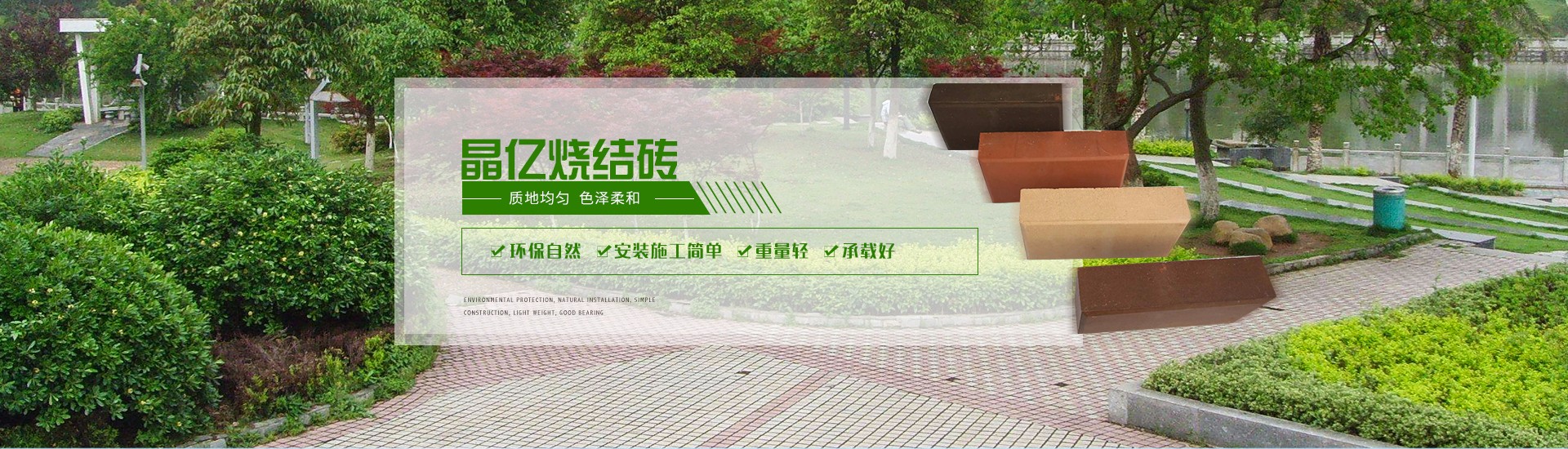
Ceramic permeable bricks, with their excellent water-permeability and a porosity of 40% to 50%, allow a portion of rainwater to seep through, effectively replenishing groundwater, addressing the issue of continuously declining water levels. This feature also reduces the drainage pressure on sewers during heavy rains. In line with modern eco-friendly concepts and the desire for color and cultural ambiance in urban settings, the development prospects for ceramic permeable bricks are promising.
