
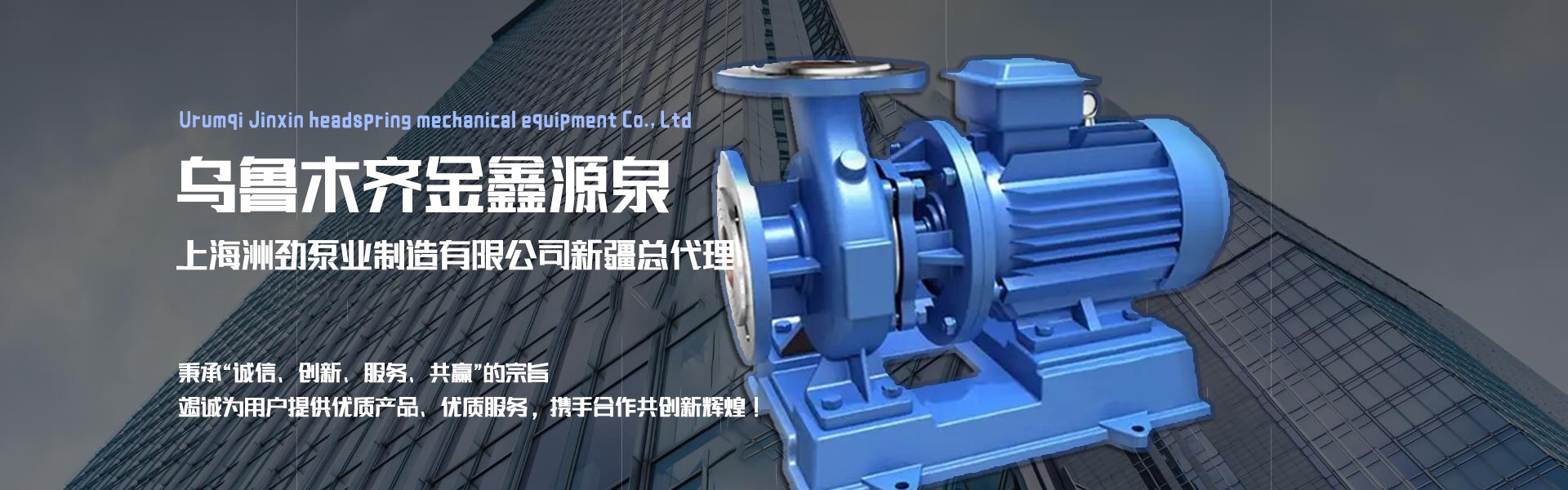
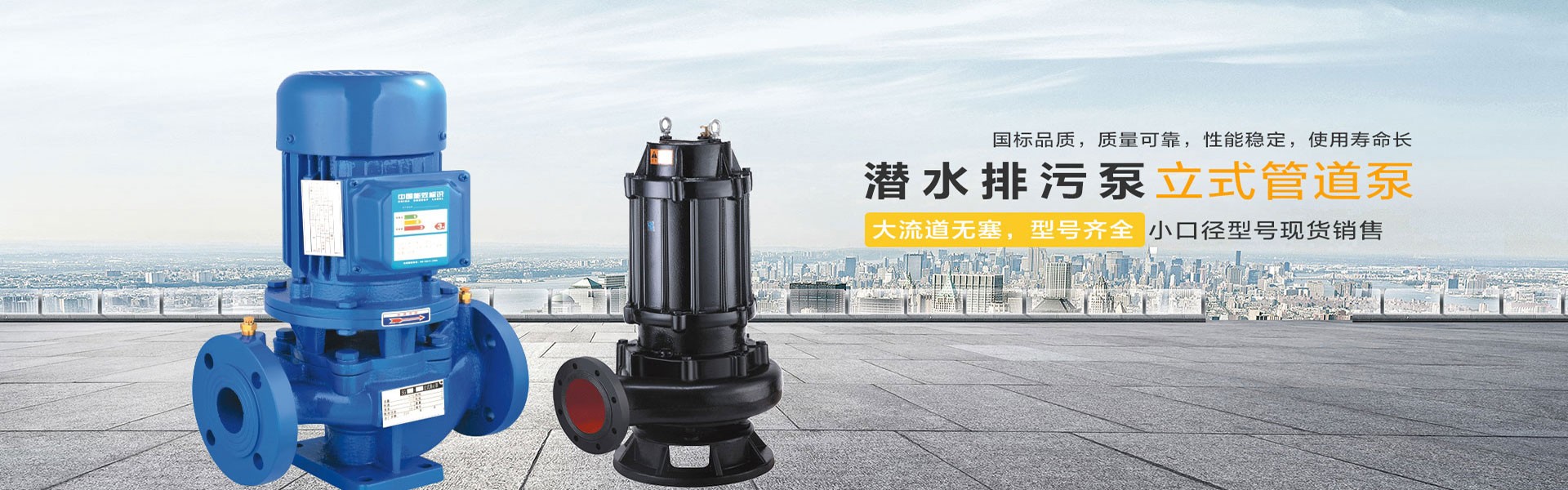


The pipe pump can send water out due to the effect of centrifugal force. Before the pump operates, the pump body and the intake pipe must be filled with water to form a vacuum state. As the impeller rotates rapidly, the blades cause the water to spin quickly. The spinning water is propelled out of the impeller by centrifugal force. After the water is ejected from the pump, a vacuum area is formed at the center of the impeller. The water is then pushed into the intake pipe by atmospheric pressure (or water pressure). This continuous cycle allows for continuous water extraction. It is worth noting that the centrifugal pump must be filled with water in the pump housing before starting, otherwise it will cause the pump body to overheat, vibrate, reduce water output, and damage the pump (referred to as "cavitation"), leading to equipment accidents!
There are many types of pipeline pumps, and common classification methods include: single-suction pipeline pumps and double-suction pipeline pumps, categorized by impeller suction methods.
By impeller count: Single-stage pipeline pump, multi-stage centrifugal pump.
Open Impeller Pipeline Pumps, Semi-Open Impeller Pipeline Pumps, and Closed Impeller Pipeline Pumps, categorized by impeller structure.
By working pressure: Low-pressure pipeline pump, Medium-pressure pipeline pump, High-pressure pipeline pump, Vertical pipeline pump.
