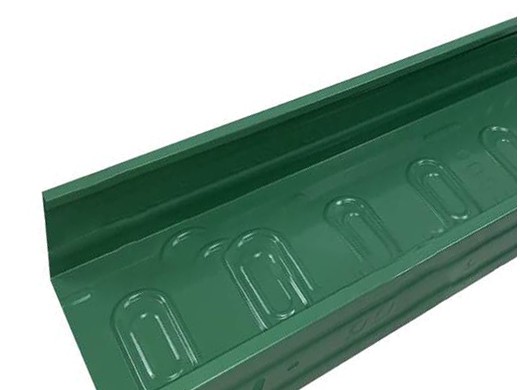

Field construction conditions for cable trays are generally quite harsh, often located at newly constructed power plants or at the initial stages of new railway construction in the wilderness. They may be on the bridge itself or within the cable tray tunnels. Since repairs to the outdoor cable tray sheath are typically done using a plastic welding gun, which requires 220V AC power, and due to the lack of power sources at the emerging construction sites, or the difficulty in providing power due to the random placement of cable tray installations, it is challenging to carry out repairs. Therefore, to properly execute the repair work on cable tray sheaths, it is essential to have both personnel in place and a reliable power supply. Only with these two basic preparations can the repair work proceed smoothly.
To ensure the smooth progress of cable tray repair work at the site, the construction unit must equip with portable generators for outdoor use. Additionally, the quality of the plastic welding torches provided for on-site repairs must be top-notch. The nozzle's heating area should be large, and the heating speed should be fast. Moreover, the damaged sections during the cable tray laying process are random. This task is generally manageable in urban and plains areas, but in mountainous regions, affected by complex terrain, the repair work of cable trays is actually quite challenging. Therefore, to reduce investment in this aspect and quickly resolve issues, a crucial factor is that the number of personnel involved in the cable tray laying process must be sufficient, and they must use standard cable tray professional laying equipment for proper laying to avoid and minimize the occurrence of sheath damage during the cable tray laying process.