
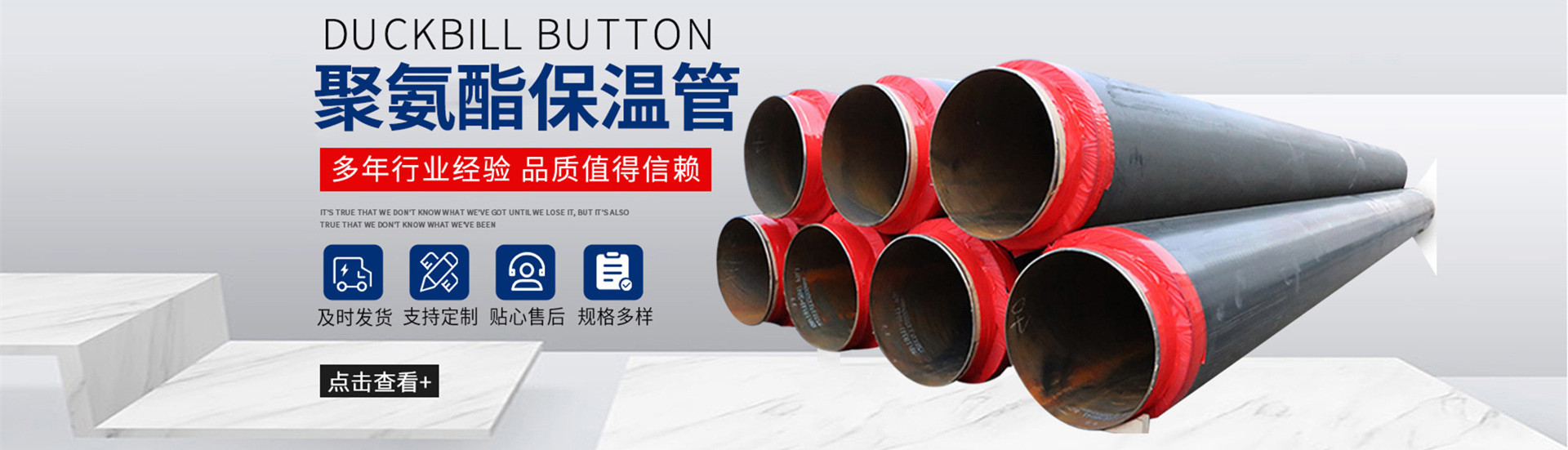
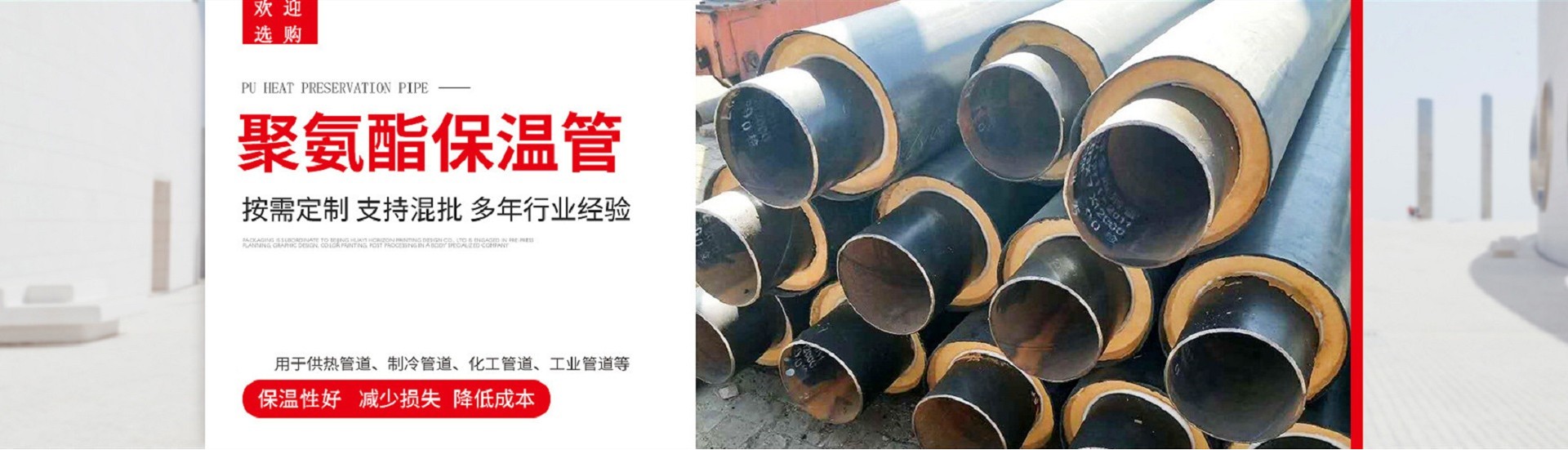

High-density polyethylene outer sheath rigid polyurethane foam pre-insulated buried pipe, commonly known as polyurethane insulated pipe, plays a crucial role in the northern regions, though it may not be widely recognized. The centralized heating for urban residents in the north mainly relies on polyurethane insulated pipe products. Buried deep underground, these pipes ensure a warm, spring-like indoor environment.
The inner steel pipe for conveying medium, the polyurethane insulation layer, and the polyethylene outer sheath combine to form the polyurethane insulated pipe. If we liken the heat source plant to the human heart, then the insulation pipe is akin to the human vascular system, distributed underground in the city, transporting thermal energy to every needed location, bringing warmth to thousands of households, cycling continuously, and helping us withstand the severe cold.
In recent years, the demand for large-diameter insulated pipes has been increasing year by year. To control costs and conserve energy, polyurethane spray-wound insulated pipes have emerged. As a new production process for polyurethane insulated pipes, this technology not only ensures the basic performance of the original double-pipe technology but also features a more uniform polyurethane density and a thinner polyethylene sheath. Moreover, the upgrades and automation of Hebei Yuanfeng Pipeline Equipment have resulted in more stable product quality, higher production capacity, and cost savings on labor.
With technological advancements and the enhancement of product quality, the superior insulating properties now allow for the direct import of heat sources from power plants located several to even dozens of kilometers away, providing heat for urban heating systems. Such long-distance pipelines necessitate stringent quality and construction standards for polyurethane insulated pipelines. Although pipeline installation costs are relatively low, the use of high-density polyethylene outer sheath and rigid polyurethane foam plastic pre-insulated directly buried pipes can have a lifespan of up to 30 years, addressing cost concerns. Moreover, centralized heating reduces hundreds of small-scale heating boilers, significantly cutting carbon emissions, contributing to our blue skies and beloved homes.
