


Factors affecting the efficiency of atomizing spray nozzles are crucial for room humidification or cleaning important electronic components, where our nozzles are essential. Especially for this tool, it plays a significant role in numerous fields.
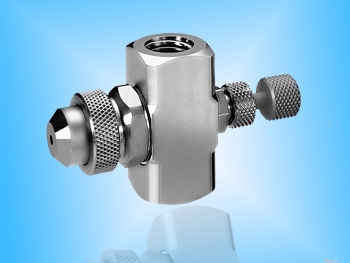
Factors affecting the efficiency of atomizing spray nozzles are crucial for room humidification and for cleaning important electronic components, as we must utilize our nozzles in these applications. For such tools, they play a significant role across various fields and greatly ensure the smooth progress of our production work. However, many factors may impact the use of these tools during operation.
To ensure we can make the most of these tools, it's crucial to guarantee a superior nozzle usage process. We must better understand the influencing factors of such tools. This way, we can adequately prepare for protective measures. That's exactly what we're here to explore today.
Firstly, common estimates suggest that environmental factors contribute to corrosion and wear during use. Over time, these two aspects can significantly reduce the longevity of our tools. Therefore, our equipment must be made from materials that are highly resistant to both corrosion and wear.
During the usage of our nozzles, they typically spray liquids. However, in industrial processes, many liquids can possess significant corrosive properties, leading to greater damage to our overall material. This will undoubtedly impact the efficiency of use.
Secondly, over time in the usage of our tools, certain sediments or impurities in the liquid are inevitably unfilterable. Consequently, a significant portion accumulates at the mouth of our tools, greatly disrupting the flow rate of our nozzles and the shape of the spray, which naturally leads to a substantial decrease in work efficiency.
