

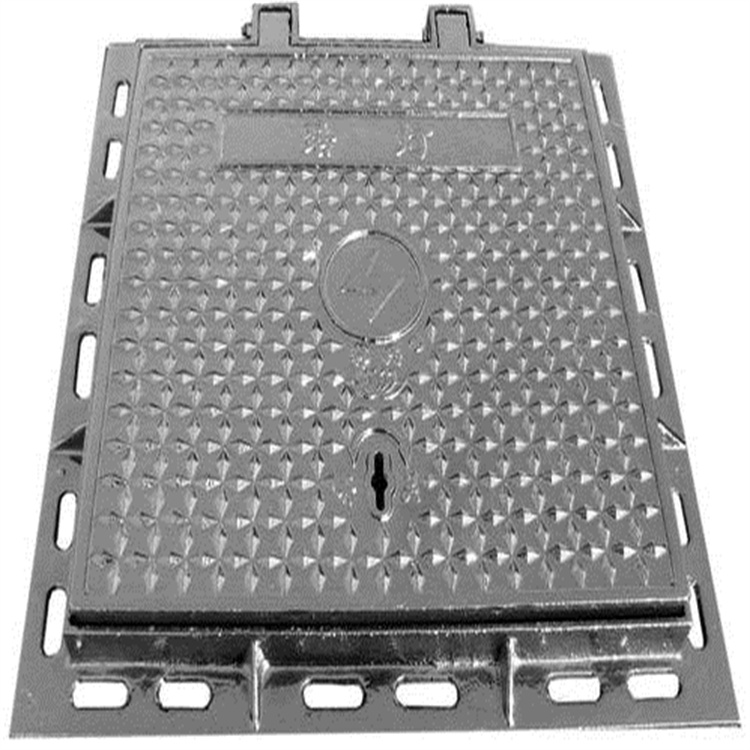
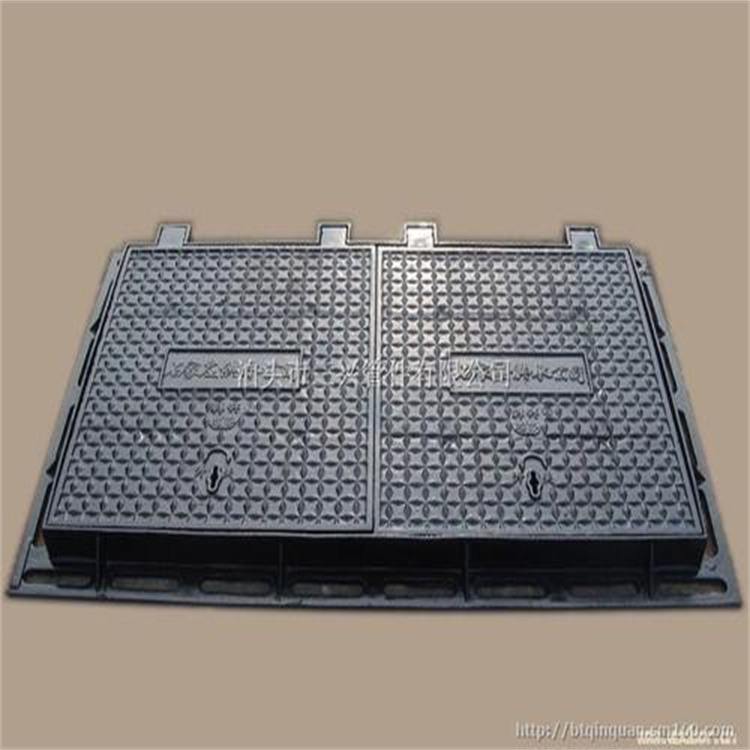
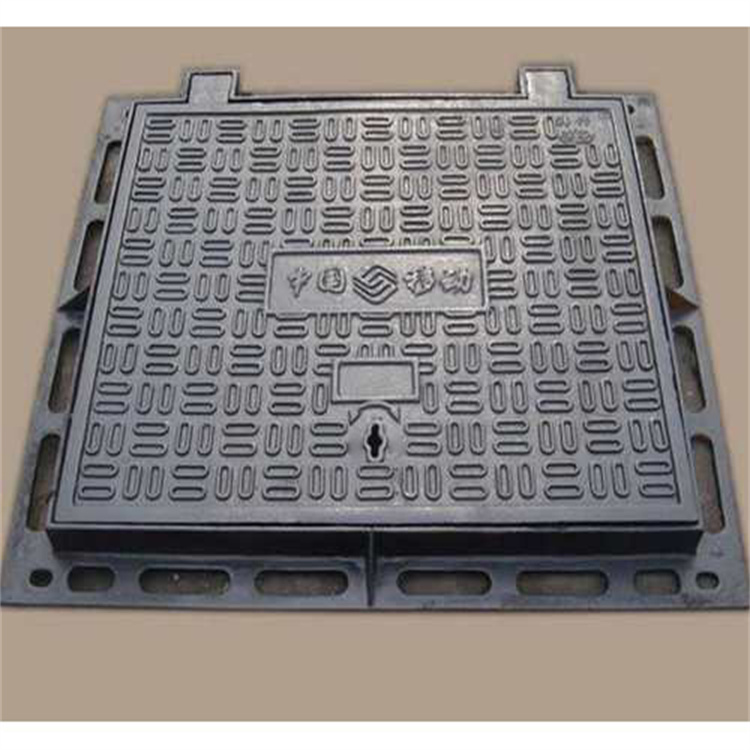
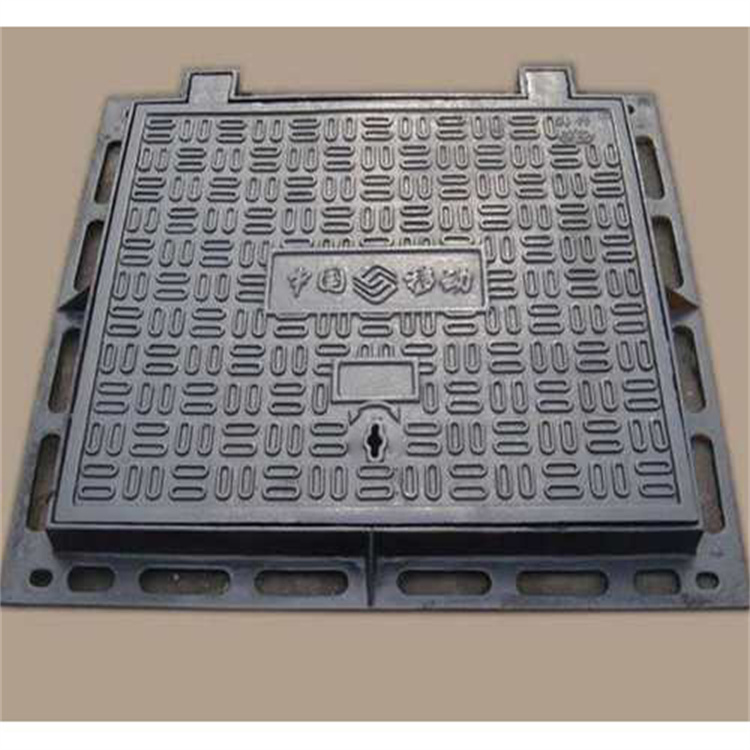
Ductile iron manhole covers are commonly seen in our daily lives. As the use of square ductile iron manhole covers becomes increasingly widespread, so does the demand for them, prompting manufacturers to continuously improve their production processes. At the same time, they ensure our travel safety. The technological performance of the manhole covers is a necessary condition for public recognition. Most people are aware that metal products are relatively prone to corrosion. So, what are the corrosion and rust prevention methods for square ductile iron manhole covers?
Manhole covers are essential equipment installed on major roads and green landscaping paths. The quality of manhole covers immediately impacts the safety of pedestrians along the roadside. If the square ductile iron manhole covers are of合格 quality, it can pose safety risks to everyone's daily life, traffic, and travel.
To withstand the accumulated wear and tear over time, a manhole cover must be produced by a technical square ductile iron casting factory with rigorous processing. This involves a process of asphalt coating, where the pipes are heated before coating to enhance the asphalt's adhesion and rapid drying, as well as an aluminothermic coating. Both processes are suitable for anti-corrosion coatings. The square ductile iron manhole cover is a type of pig iron, transformed into a spheroidal graphite form through spheroidizing treatment, which enhances the iron's properties, particularly its plasticity and ductility, allowing for higher compressive strength than that of alloy steel. These are the characteristics of our manhole covers, ensuring they can withstand various rigorous tests. Generally speaking, selecting a professional ductile iron manhole cover manufacturer is crucial for achieving the anti-corrosion and anti-rust goals. Professional manufacturers will conduct various tests to ensure their products are problem-free before selling them. When selecting, we must be vigilant. Naturally, different manhole covers have different load capacities, so choose the appropriate square ductile iron manhole cover based on the required installation environment.
The comprehensive testing method for ductile iron manhole covers yields benefits such as exceptional compressive strength comparable to cast iron. The ductile iron covers have a higher yield strength, as low as 40k, while the compressive strength of cast steel pieces is only 36k. They are commonly used in most municipal engineering applications, such as water, saltwater, and steam. The material of the manhole covers has better corrosion and oxidation resistance than cast steel, contributing to enhanced safety in our region and reducing many unnecessary accidents. In recent years, the testing of manhole covers has garnered widespread public concern. Every year, we conduct regular inspections on the manhole covers we sell across various fields. The testing of ductile iron manhole covers is a soft testing method that can improve testing speed, reduce space requirements, and make subsequent inspections easier and more convenient. For users, if we have tested the manhole covers, substances that cannot be covered by dirt are less likely to be trapped within, thereby reducing the occurrence of accidents. It effectively reduces the mechanical properties of iron, particularly enhancing plasticity and wear resistance, thus achieving greater compressive strength than carbon steel. Ductile iron castings are a high-strength cast iron developed in the 1950s of the 20th century and have properties similar to steel. Due to their excellent characteristics, they have been successfully used to manufacture components with complex ground stresses and high requirements for strength and wear resistance. Ductile iron castings have rapidly grown in popularity and are now a widely used iron material, often referred to as "replacing steel with iron." Moreover, they can more quickly ensure the safety of pedestrians and vehicles. The circular shape is primarily used because the diameter and length of the circular manhole covers are consistent, so if a ductile iron cover is flipped by a vehicle, regardless of the direction, its diameter will always be slightly wider than the next well, preventing the cover from falling into the well. If a square shape is used, due to the diagonal's superiority in length, the cover can easily fall into the well along the straight-line direction of the well, posing a safety hazard.
