


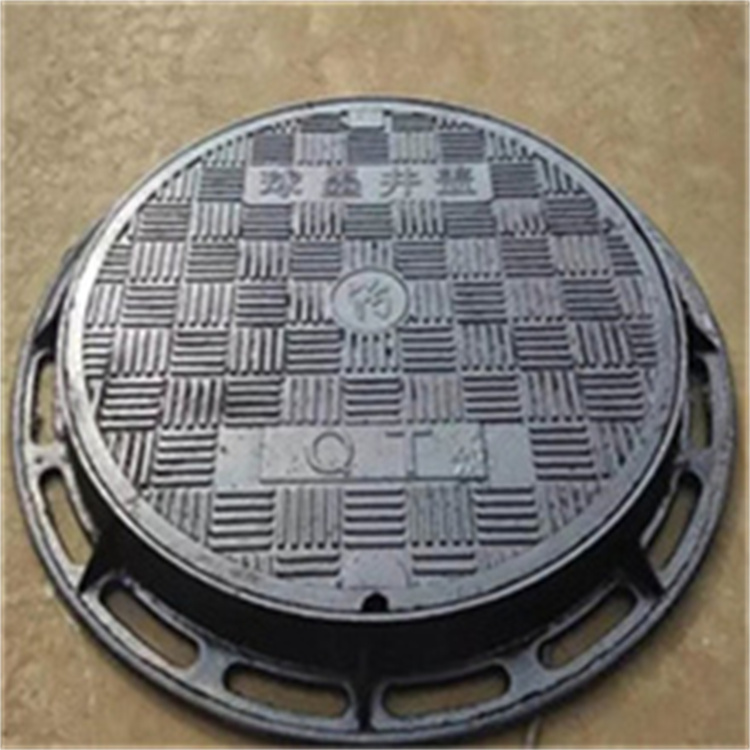
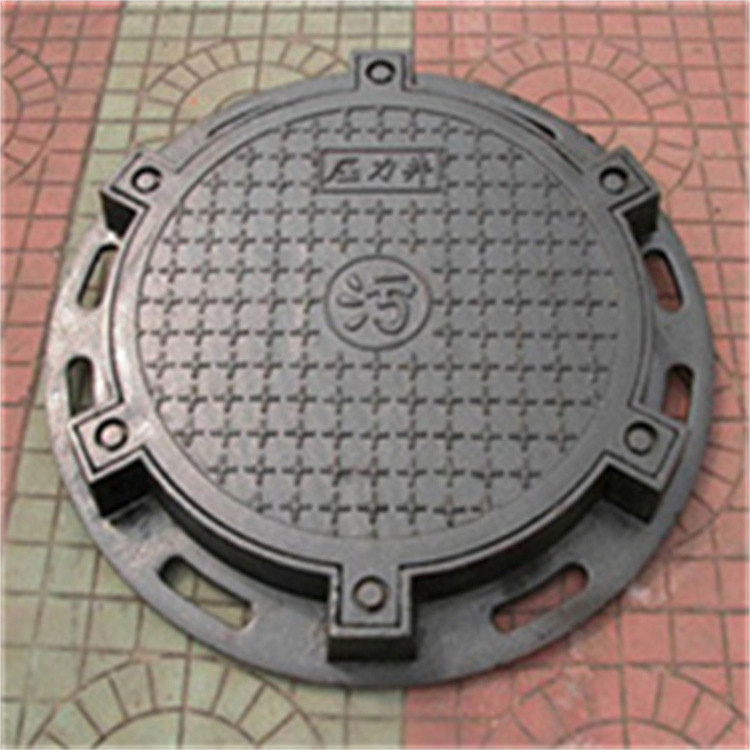
 Manhole covers are随处可见 on city streets, and most of them need to be directly fixed onto asphalt pavements. Therefore, during construction, attention must be paid to whether the installation of the covers will be affected. When securing the covers, mechanical tools should be used for the process. Additionally, when casting the pavement, an appropriate area must be预留 on the pavement. The entire operation must be conducted according to standards to ensure greater stability and reliability after the installation is secured.
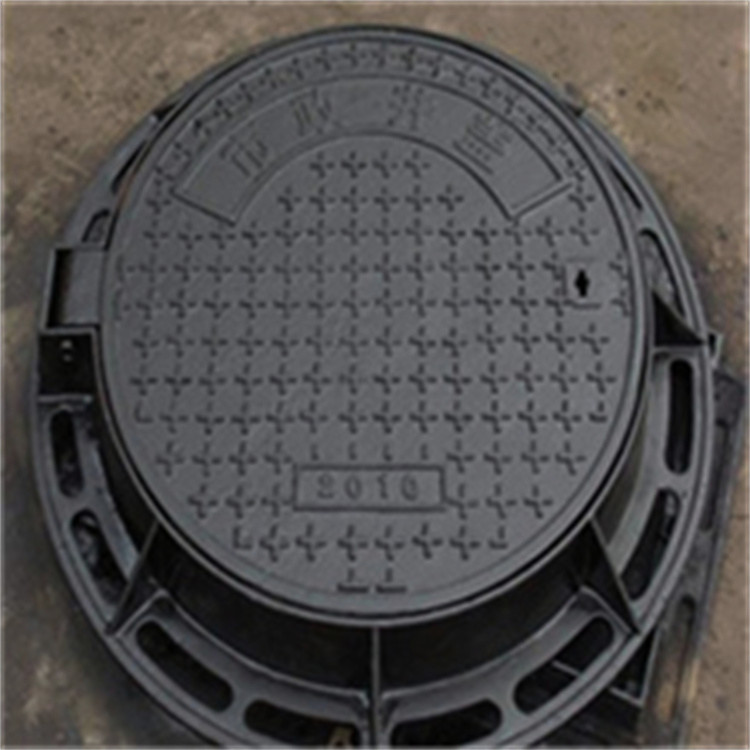
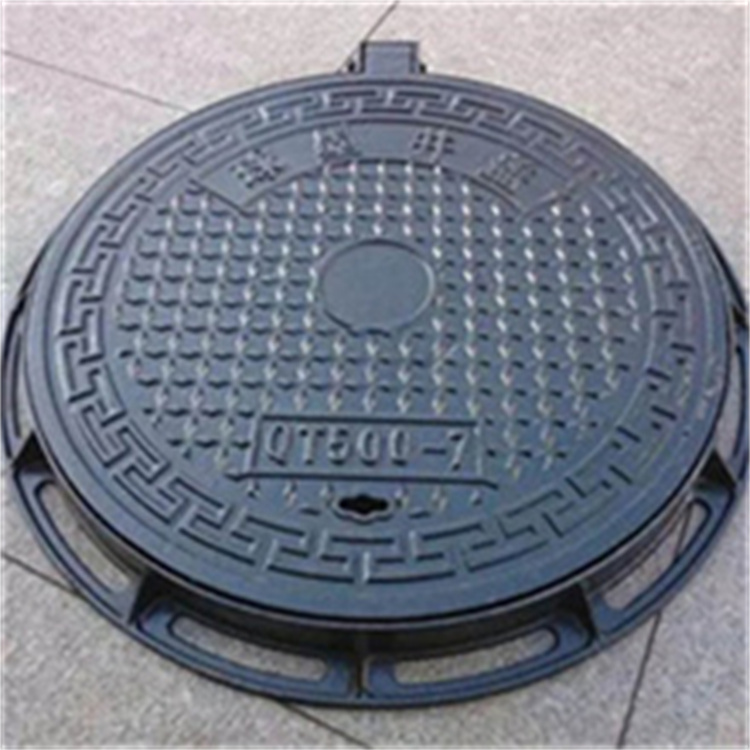
Currently, there's a vast variety of manhole covers and rings available, which can be distinguished by materials used, size, and thickness. Additionally, they can be customized based on the actual road conditions. When purchasing, a wide range of designs is available, allowing customers to choose a cover that is both aesthetically pleasing and suitable for the installation environment.
To maintain the good appearance of the manhole covers, it's necessary to cover them with relatively thin iron sheets during construction. This method prevents asphalt from directly contacting the cover, as asphalt can easily corrode the cover during construction. Using iron sheets for covering serves as a protective measure. When working on concrete surfaces, plastic film should be used to cover the covers to prevent adhesives like cement mortar from sticking to the cover, ensuring the cover's design remains in good condition.
When installing fixed manhole covers, it is necessary to hire professional staff to complete the construction process. This ensures that from selecting equipment to formulating installation procedures, the standards are met, allowing the covers to be used for a longer period after installation without easily encountering quality issues, reducing maintenance costs, and achieving the desired application goals. Additionally, since there are many types of manhole covers, such as ductile iron covers, settlement-resistant covers, stainless steel covers, etc., each type has different installation methods and precautions. It is also essential to engage manufacturers and corresponding installation personnel for standardized construction!
