


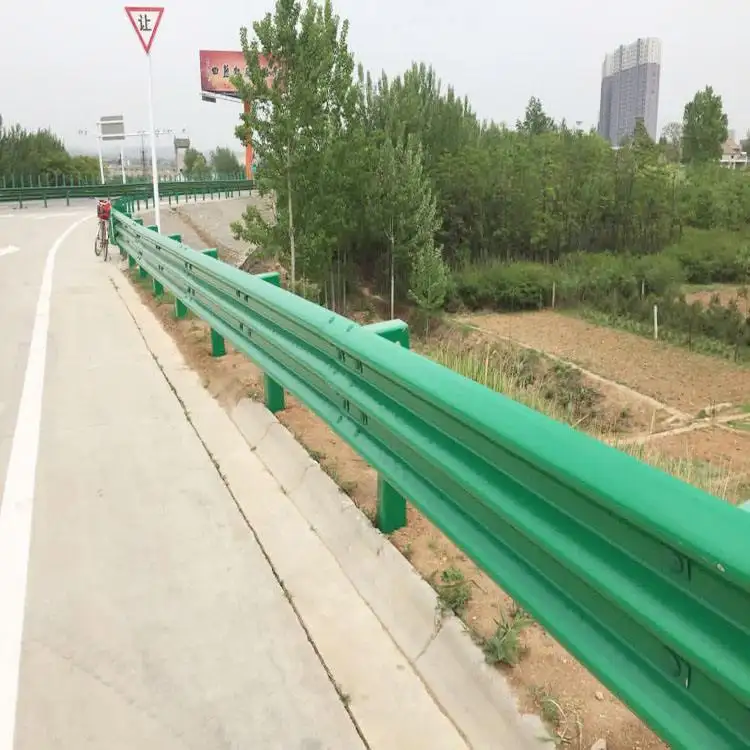
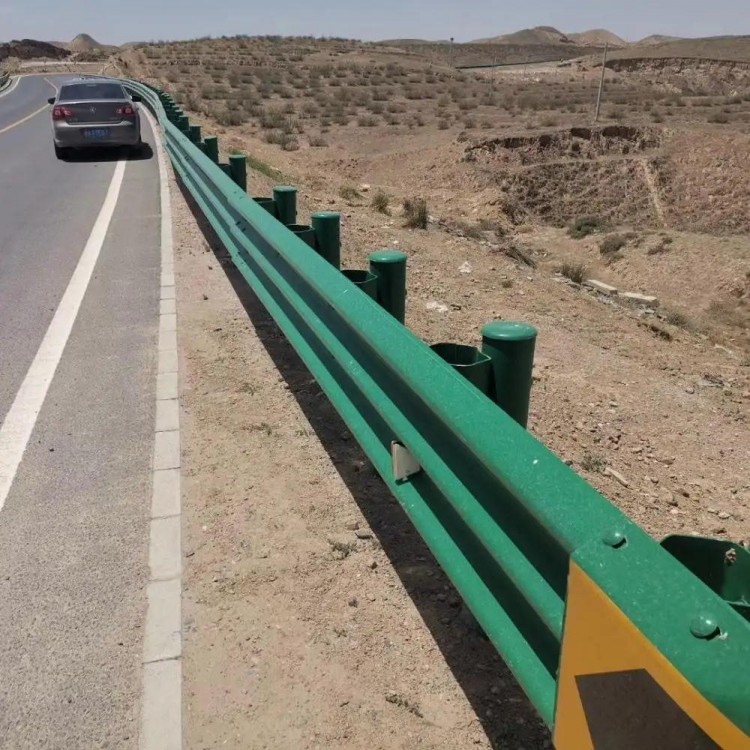
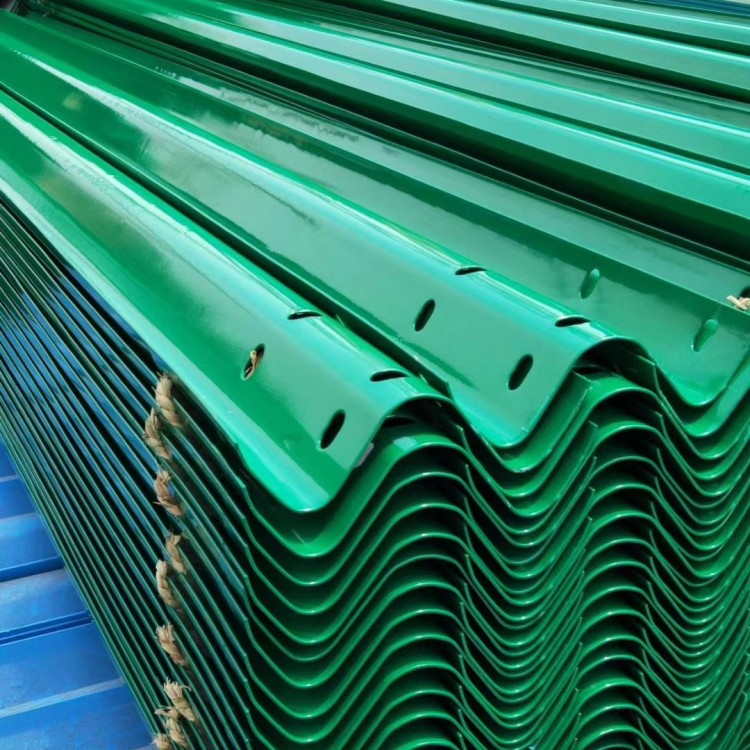
Wavy guardrails, also known as collision barriers, are commonly installed on highways and urban or rural roads. Their purpose is to prevent vehicles from veering off the road, gradually deforming upon impact to absorb energy, reduce passenger injuries, and avoid severe traffic accidents. There are two common types of wavy guardrails: dual-wave and triple-wave guardrails.
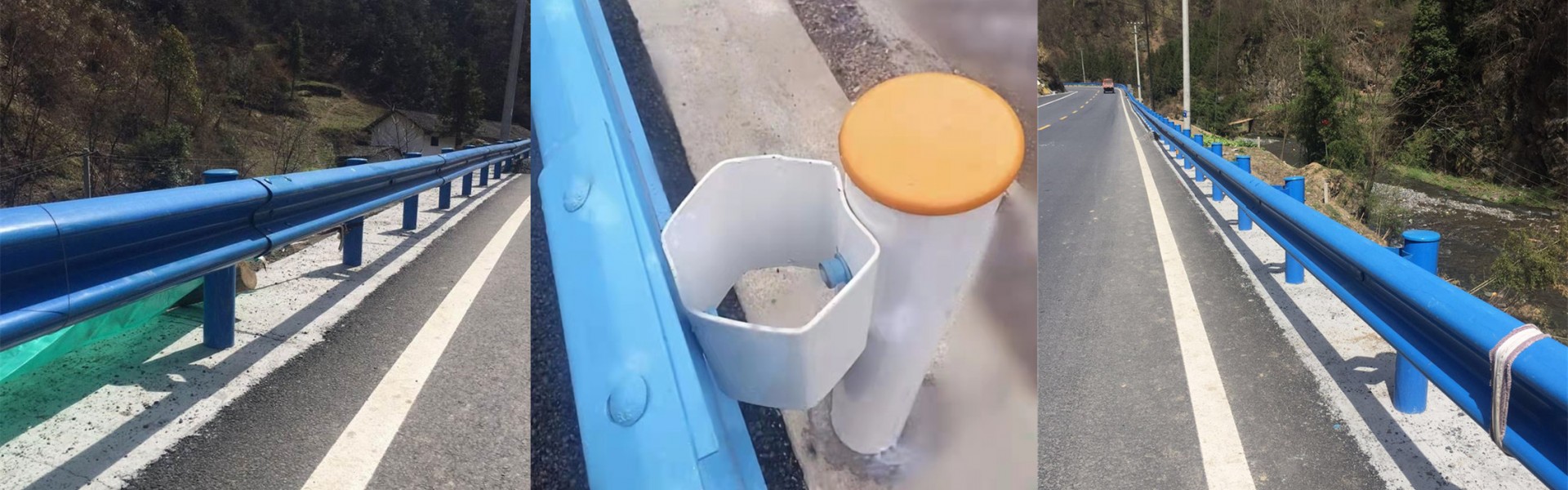
Wavy guardrails, a type of barrier installed for highway collision prevention, are the primary form of semi-rigid guardrails. They consist of a continuous structure composed of steel guardrail panels connected in a wavy pattern and supported by main posts.
Wave-shaped guardrail, primarily designed to prevent out-of-control vehicles from veering off the road, is typically made of galvanized steel plate and comes in various specifications depending on the highway grade.
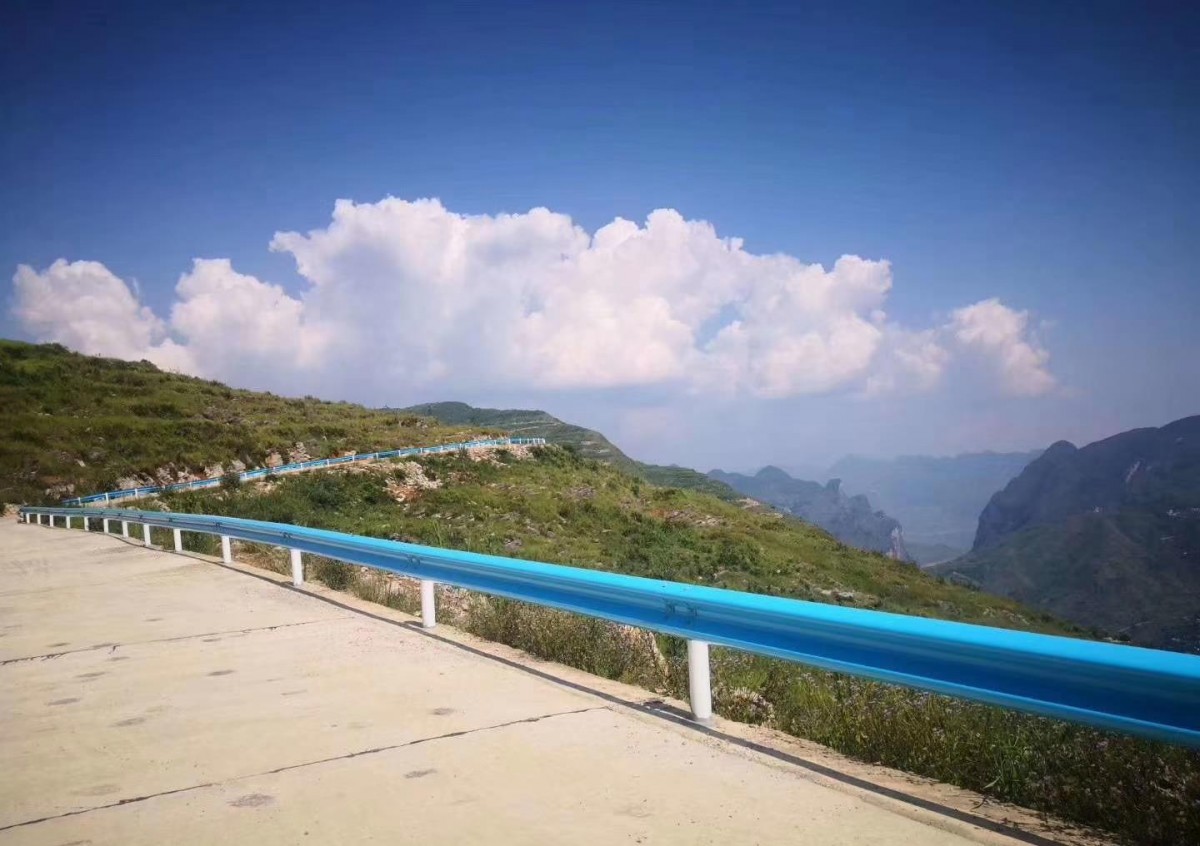
W-beam guardrails absorb collision energy through the deformation of the soil foundation, posts, and crossbeams, forcing out-of-control vehicles to change direction back to the normal driving path, preventing them from veering off the road. This protects vehicles and passengers while reducing the losses caused by accidents. The W-beam guardrails combine strength and flexibility, offering excellent collision absorption and collision prevention capabilities. They also provide good visibility guidance, harmonize with the road's alignment, are aesthetically pleasing, can be used on tight-radius curves, and are easy to replace at damaged areas.
