
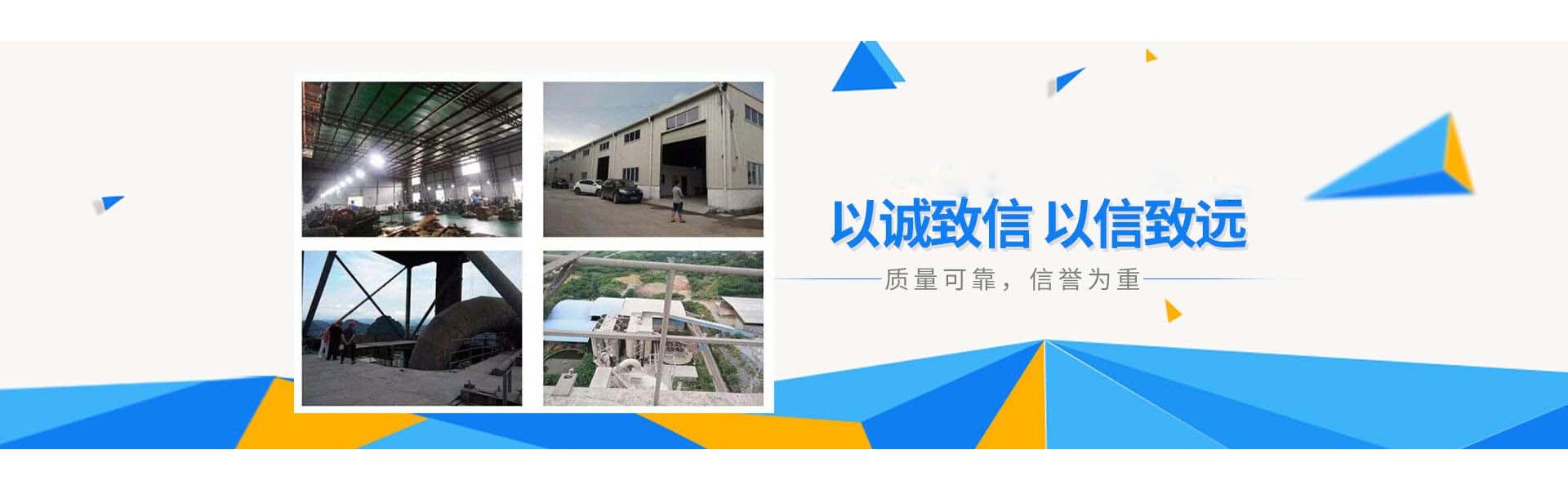


Beijing Zhukang Engineering Inspection Co., Ltd. is an institution specializing in construction quality inspection and appraisal services, established in 2015 with a registered capital of 10 million yuan. The company has established strategic partnerships with numerous enterprises that have obtained both the metrology certification (CMA) issued by the Beijing Municipal Quality and Technology Inspection Authority and the laboratory inspection institution recognition certificate (CNAS) awarded by the China National Accreditation Service for Conformity Assessment. The company adheres to a technical philosophy of fairness, impartiality, science, and accuracy.
The company emphasizes talent acquisition and cultivation, promotes innovation, and currently has 80% of its employees holding a bachelor's degree or higher, with 40% of the technical staff holding middle to senior titles. The company regards honesty and joint progress as the cornerstone of its development, adhering to the business philosophy of "being responsible to customers, ensuring employee happiness, and gaining social recognition." It continues to provide top-notch services to construction units,不断提升employee well-being, and contributes to building a better society.
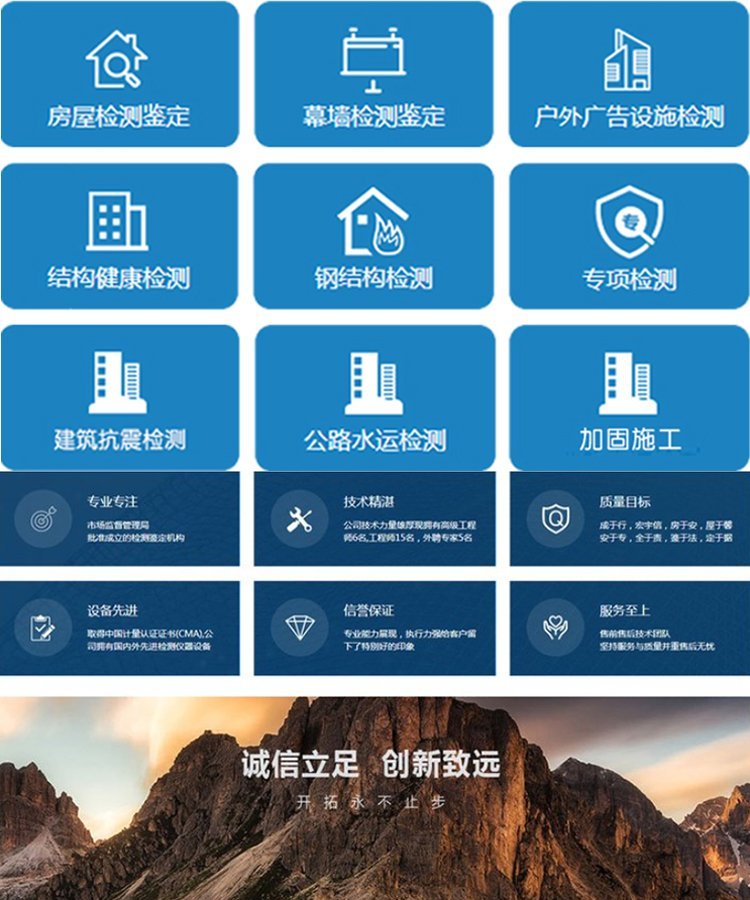

Purpose and significance of building inspection
One, you can keep track of the property's current status at any time.
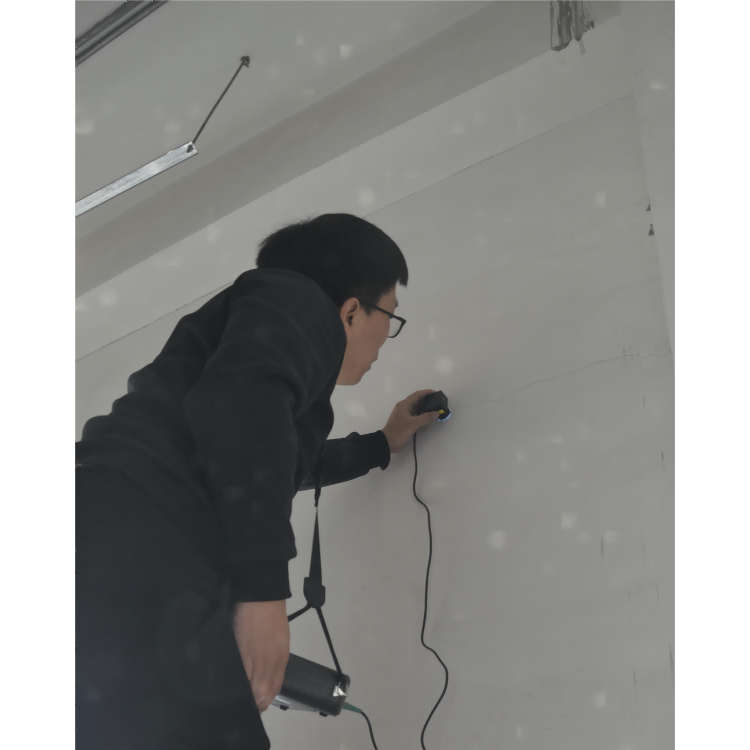
Regular inspections and appraisals allow you to stay up-to-date with the current state of the property. As the saying goes, know yourself and know your enemy, and you will never be defeated. This applies to properties as well.
The safety of the house can be ensured.
Regular house inspections ensure that any anomalies can be addressed promptly, maintaining the safety of all house components at all times, and preventing potential issues before they arise.
Section 3: Safety inspections for house additions, expansions, and renovations should be conducted.
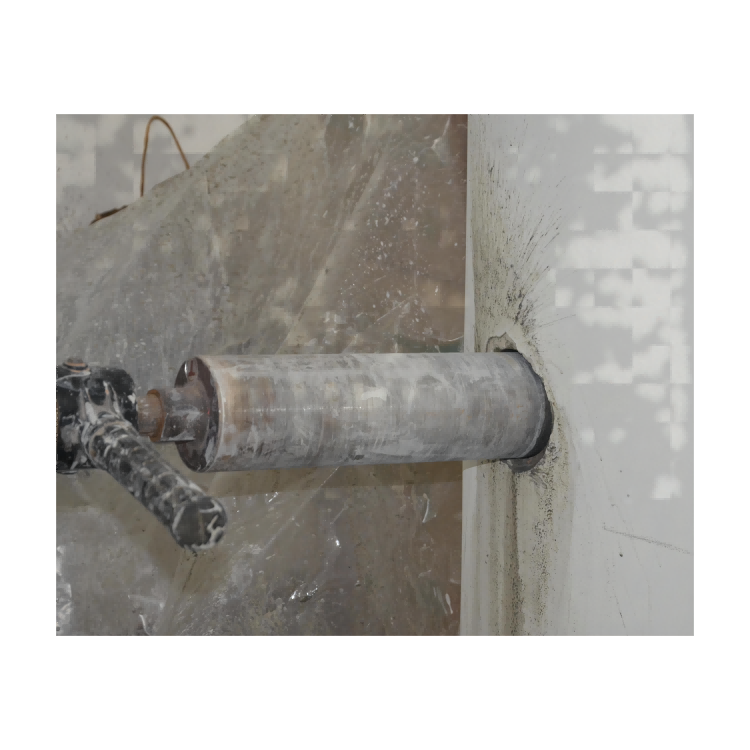
Conduct an assessment of the current state of the property prior to renovation.Inspection and Authentication,PromptlyIdentify the deficiencies in the property, then use data analysis to determine if the necessary conditions for renovation are met, which can significantly reduce the likelihood of encountering "troublesome issues" during the renovation process. For properties that have been in use beyond the design life of the building's structure and are still in use, an immediate safety inspection should be conducted, followed by at least one safety inspection every five years thereafter.
