
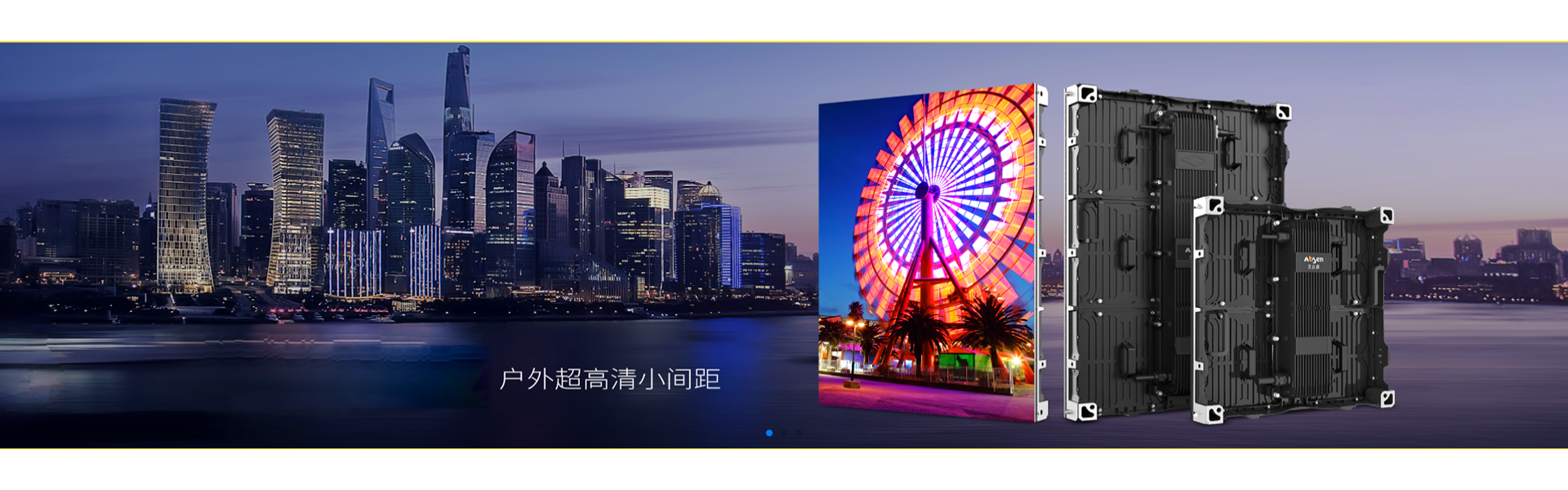

As a new generation of display media, outdoor LED screens have been widely used in various industries, including exhibitions, ports, airports, train stations, bus stations, large sports and exhibition venues, intelligent transportation, highways, banks, advertising, electricity, commerce, telecommunications, taxation, trading markets, and public squares. However, outdoor LED screens are prone to be affected by external factors during use, which can lead to quality issues with the screens. The following three aspects are analyzed.
Power Supply
Power supply is also a critical component affecting the quality of LED display systems. Due to the varying stability, output voltage, and load capacity of power supplies under different temperature conditions, their supporting capabilities directly impact screen quality because of the后勤保障 they provide. There is a significant price difference among power supply equipment of different brands and specifications due to variations in performance and stability. We advise against choosing low-priced options at the expense of performance and quality.
2. Temperature
Theoretical ideal working conditions for LED displays should maintain a room temperature of around 25 degrees Celsius. Due to the display's pickiness about environmental temperature,Outdoor LED DisplayEnvironmental temperatures in application can be relatively complex. Summer high temperatures may exceed 60 degrees, while winter low temperatures may drop below -20 degrees.
At varying temperature conditions, the brightness decay and degradation of red, green, and blue lights differ. At 25°C, the white balance is normal; however, at 60°C, the three colors of the LED dim, with inconsistent decay values. As a result, the overall brightness and color cast of the entire screen decrease, leading to a decline in screen quality.
Therefore, LED display screens are making great efforts to improve design and technology, effectively controlling the impact of external environmental temperatures on the final display quality, and striving to ensure optimal performance under various complex conditions.
3. Box Design
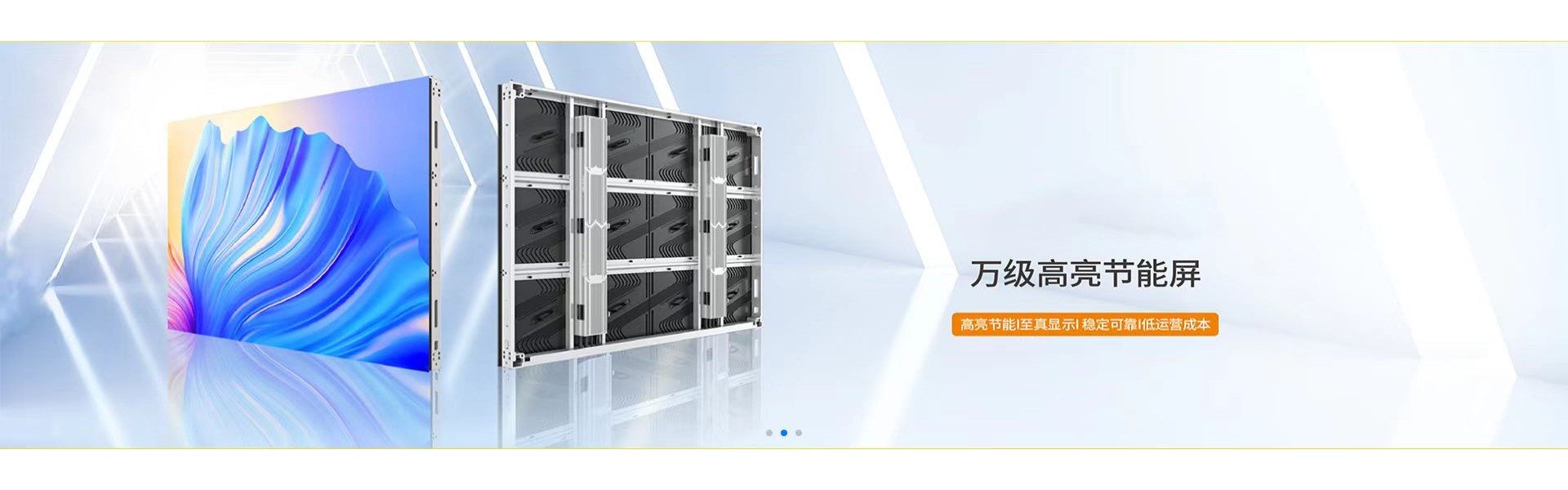
Box design is crucial for LED displays, as it not only provides circuit protection but also offers safety, dust resistance, and water resistance. More importantly, the design of the thermal conduction system for ventilation and heat dissipation is impressive. With the extension of startup time and the rise of external temperatures, the thermal drift of components will also increase, resulting in a deterioration in image quality. An effective ventilation and heat dissipation design is an indispensable criterion for the box design.
Outdoor LED DisplayThe primary functions include:
It serves as an educational resource.
Promotes products and attracts customers.
Serve as a bulletin board.
Enhance store decoration to elevate the corporate image.
The display screens are used to enhance the ambiance, featuring welcome messages from senior leaders and various distinguished guests, as well as celebratory speeches for important holidays.
