
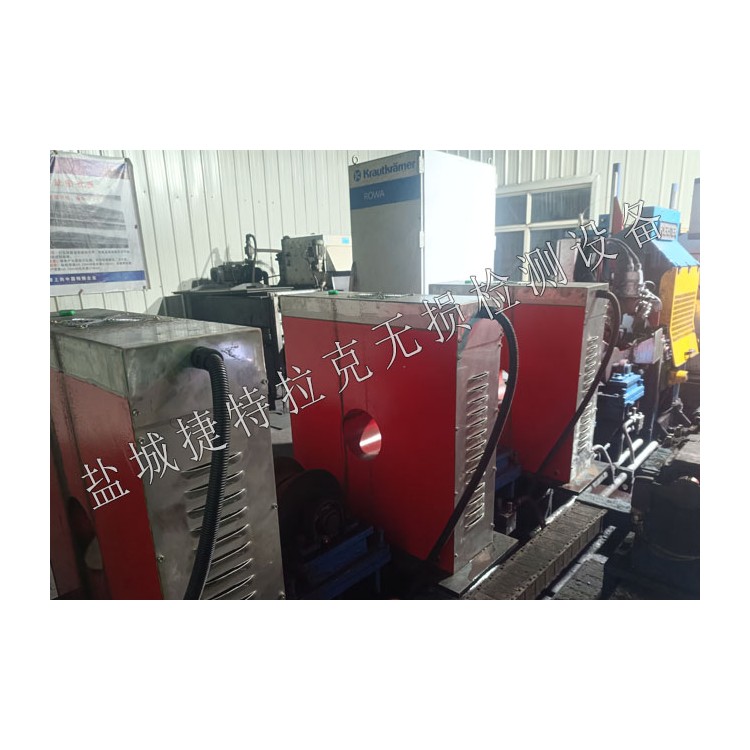
 Round Steel Demagnetizer
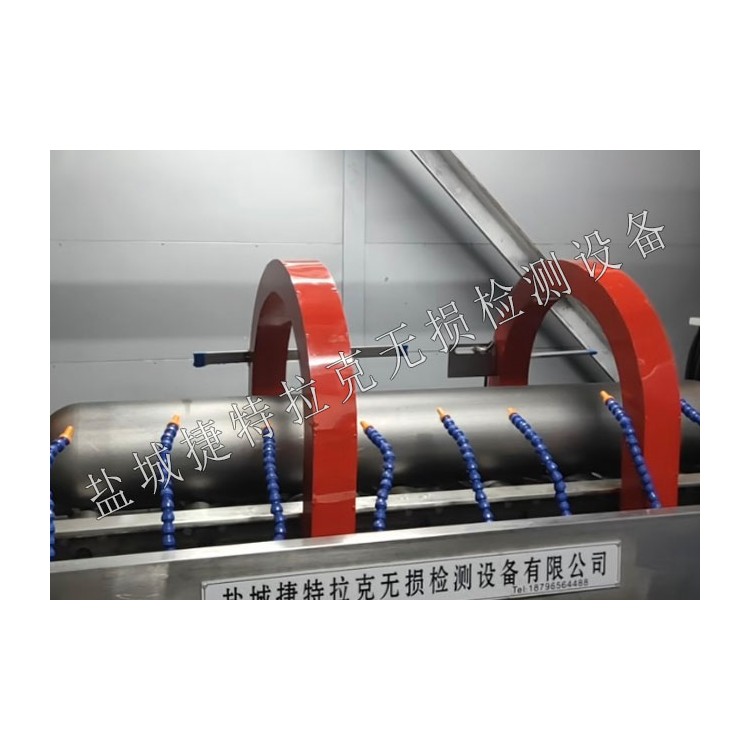 Magnetic Particle Inspection Machine for Steel Cylinders
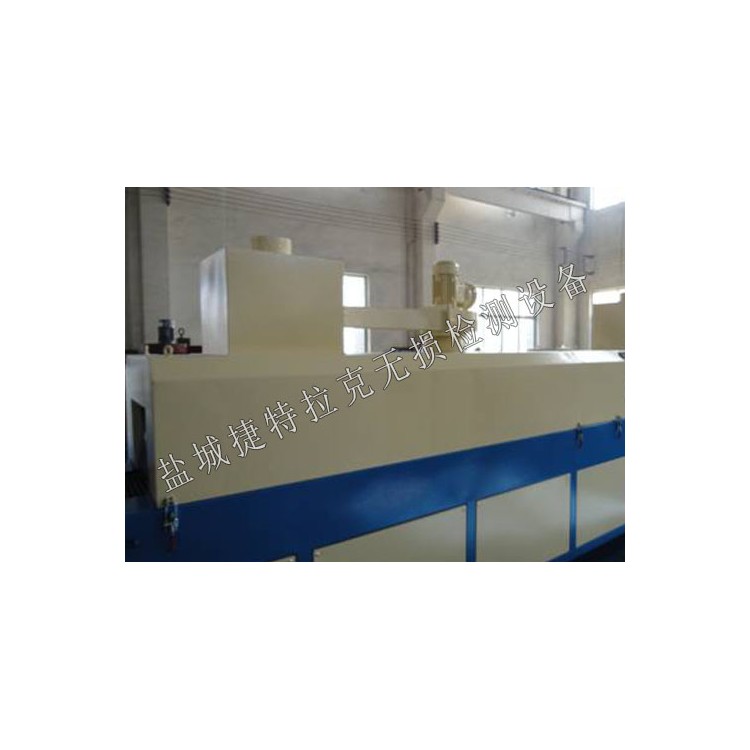 CTQ-III Chain Plate Cleaner
 Large Gear Inspection Machine
 Valve body flaw detector
 Harmonic Drive Component Magnetic Particle Inspection Machine
 Four-station screw automatic assembly line flaw detector
Product Details

Magnetic Particle Inspection Machine | Inspection Machine | Fluorescent Magne...





产品Price Negotiable
最小起订Quantity: 供货总Quantity:


Quality: |
|
Price: |
Large quantities, competitive pricing |
Phone: |
187-9656-4488 |
The magnetic particle inspection machine is a microcomputer-controlled semi-automatic wet magnetic particle inspection device, suitable for magnetic inspection of annular ferromagnetic parts such as flanges and similar shapes. It uses a programmable logic controller (PLC) as its core, controlling the mechanical action program of the system, and can complete the entire inspection process according to the prescribed program, excluding manual observation of defects. It can be operated automatically or manually step by step. The circumferential magnetization is achieved using the rod insertion method, while the longitudinal magnetization employs the coil induction method for alternating current composite magnetization of the workpiece, thereby preventing burnishing. The silicon-controlled rectifier triggering system developed by our factory features phase control during power interruption, preventing the omission of alternating current magnetization, allowing for the detection of extremely minute defects such as cracks and inclusions on the surface and inner surface of the workpiece caused by material, forging, quenching, grinding, and fatigue in a single magnetization.
Process Flow
Loading Material — Feeding Material — Rod Insertion — Liquid Spraying Magnetic Composite — Rod Removal — Rotation and Observation — Feeding Material — Unloading Material
Key Technical Parameters
Bar Magnetization Current: AC 0-10000A, continuously adjustable with power-off phase control feature.
◇ Axial magnetization magnetic potential: AC 0-20000AT continuously adjustable, with power-off phase control function.
◇ Rod Insertion Method: Pneumatic Rod Insertion
Operation Modes: Automatic Running, Manual Single Step Operation
◇ Magnetization Methods: Circumferential Magnetization, Longitudinal Magnetization, and Composite Magnetization
Inspection Speed: 8S/article
◇ Sensitivity to flaw detection: Clear display on the workpiece surface with a D-type 7/50 test piece.
Phone Consultation