





- AllProduct Category
-
Domestic Production
Joint Venture
Imported



13813173135

Recommended Products
详情描述
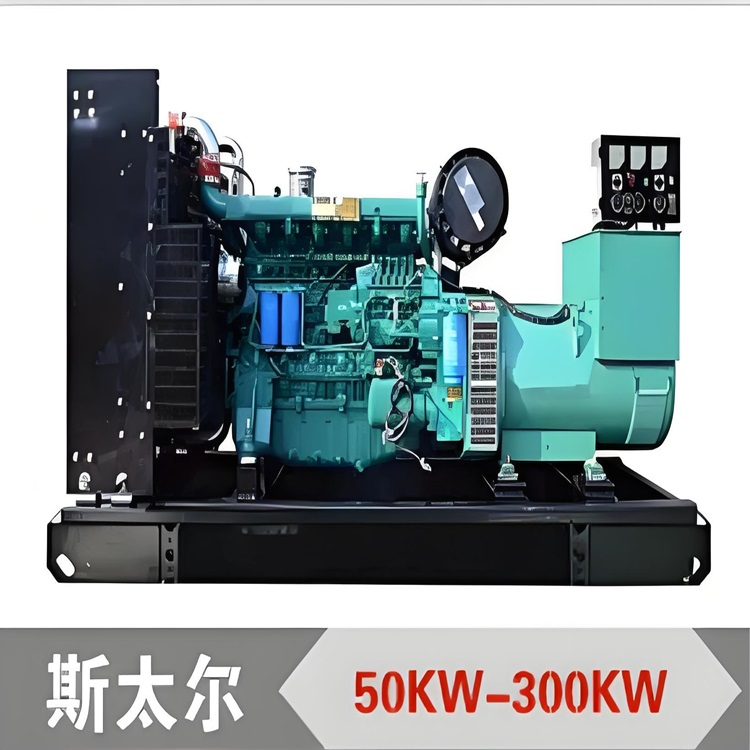
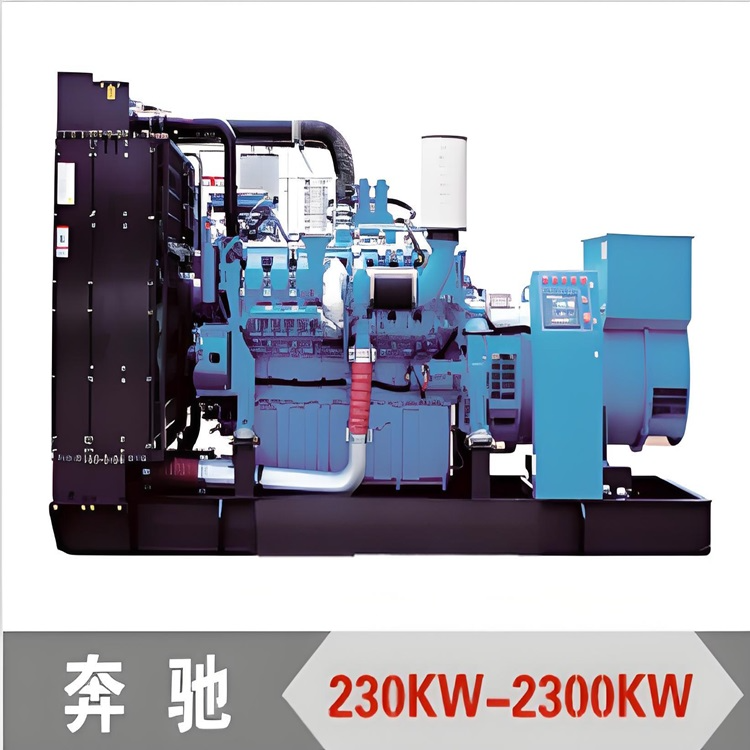
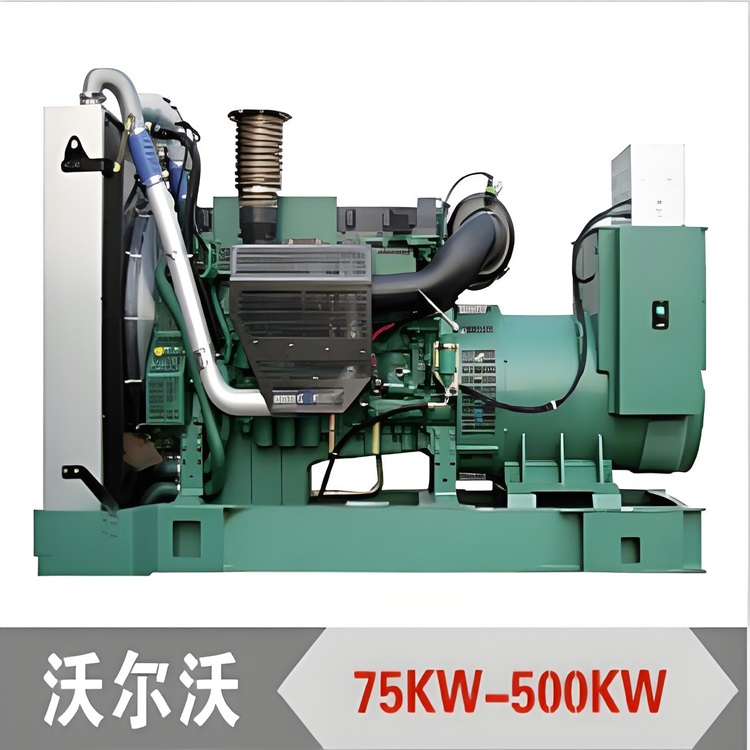
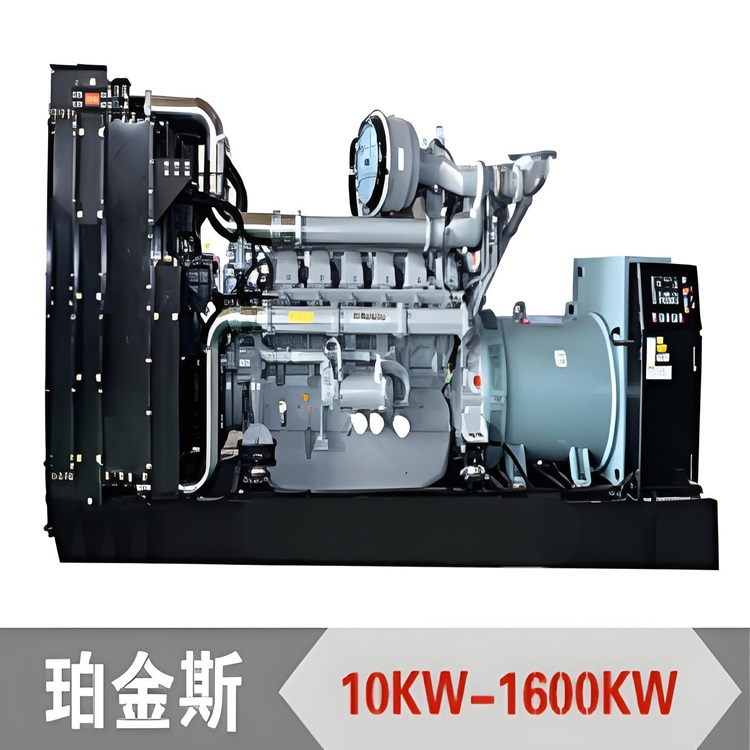
A diesel generator is a device that, using diesel as fuel, converts mechanical energy into electrical energy through the working principle of an internal combustion engine. It is widely used in various locations, including homes, offices, and small to large-scale enterprises, as well as for emergency power generation.
The basic working principle of diesel generators is as follows:
- Fuel Supply: Diesel is delivered to the engine's injection nozzles through a fuel pump.
- Air Intake: During operation, the engine draws air in through the intake port.
- Fuel Injection: The injector sprays diesel into the cylinder, forming a combustible mixture.
- Compression: As the piston moves upwards, it compresses the air and diesel mixture within the cylinder, causing a sudden increase in temperature and pressure.
- Ignition and Combustion: Diesel ignites spontaneously under high temperature and pressure conditions, with the resulting high-temperature gases pushing the piston downward.
- Energy Conversion: The up and down movement of the piston is converted into rotational motion by the crankshaft, powering the generator to produce electricity.
Structural Features
The main structure of diesel generators includes:
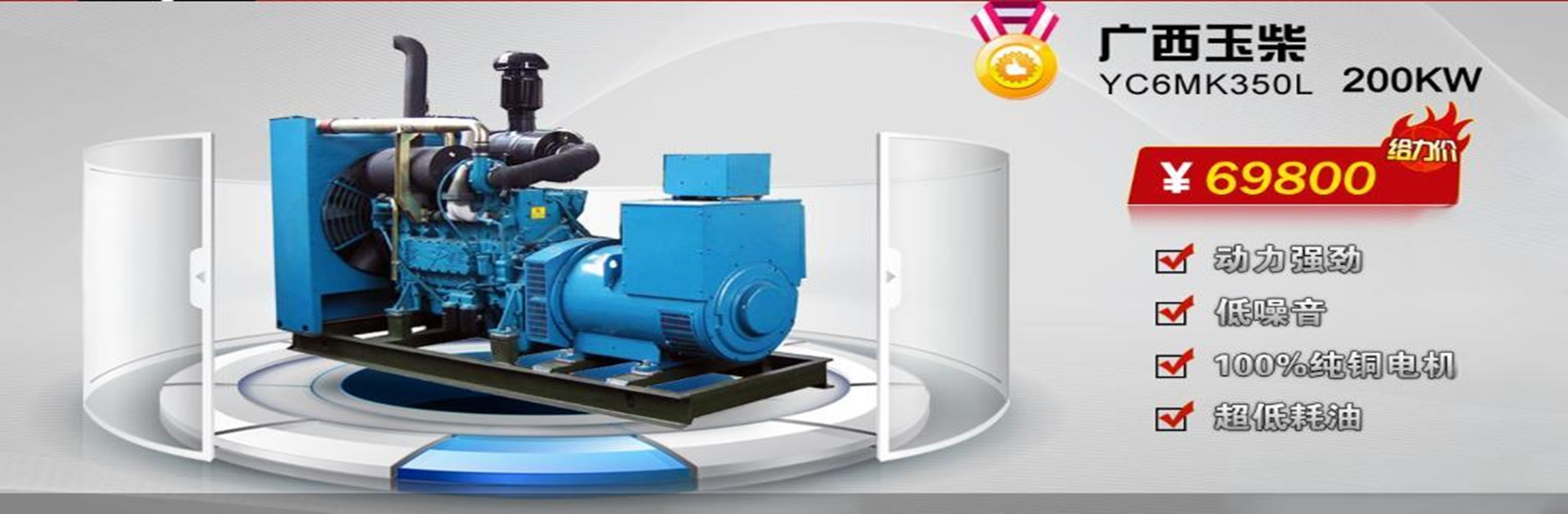
- Diesel Engine: Composed of cylinders, pistons, crankshafts, fuel injection system, intake and exhaust systems, etc.
- Generator: Comprises the stator, rotor, and excitation system, responsible for converting mechanical energy into electrical energy.
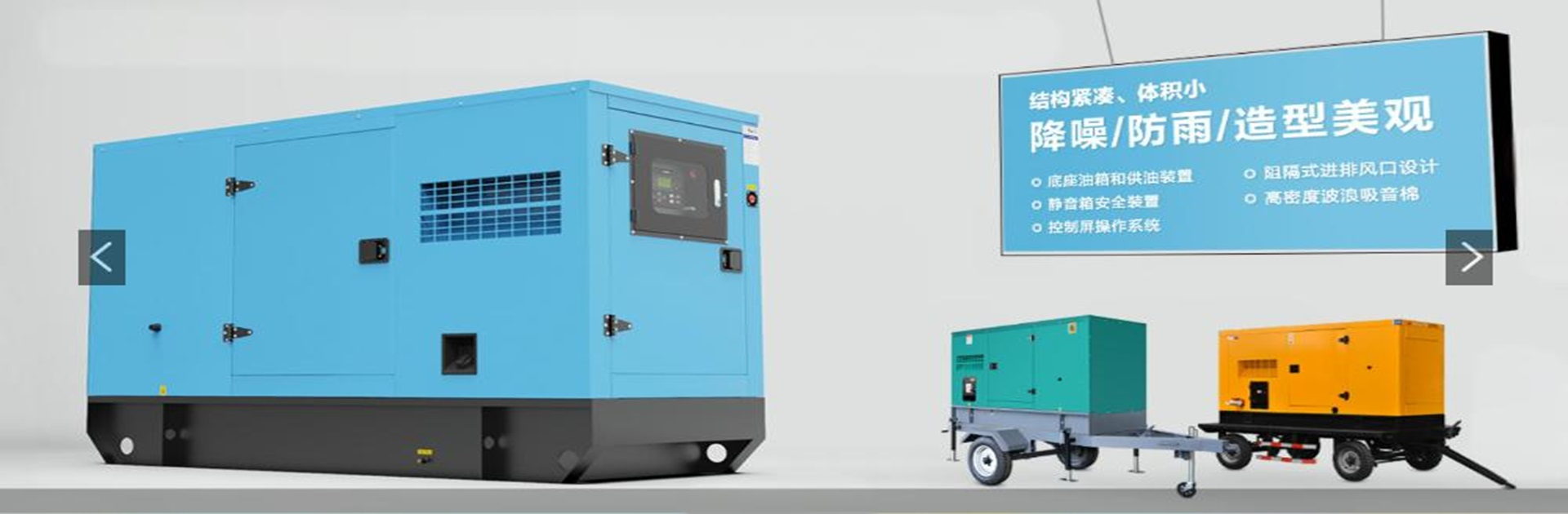
- Control System: Used for monitoring and adjusting the operational status of generators.
- Cooling System: Maintains suitable temperature for the engine and generator.
- Fuel Tank: Stores diesel to ensure continuous fuel supply for the generator.3
Application Fields
Diesel generators are widely used in the following fields due to their high efficiency, reliability, and flexibility:
- Industry: Many factories use diesel generators as backup power sources.
- Business: Diesel generators are commonly equipped in places like shopping centers to ensure electricity needs are met.
- Agriculture: Powers irrigation equipment.
- Construction Site: Supplies temporary electricity.
- Remote Areas: A Vital Power Source in Areas Lacking Electricity Infrastructure


