

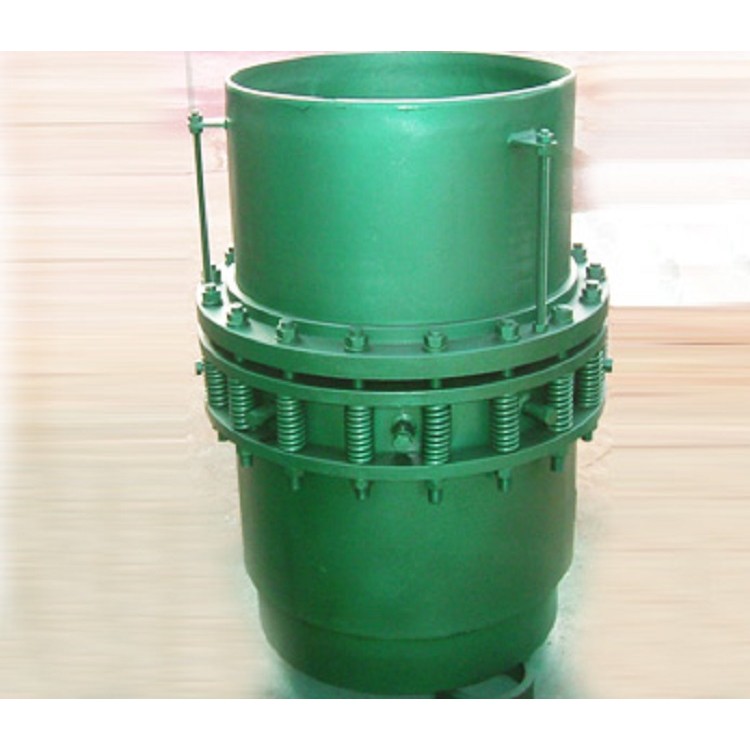
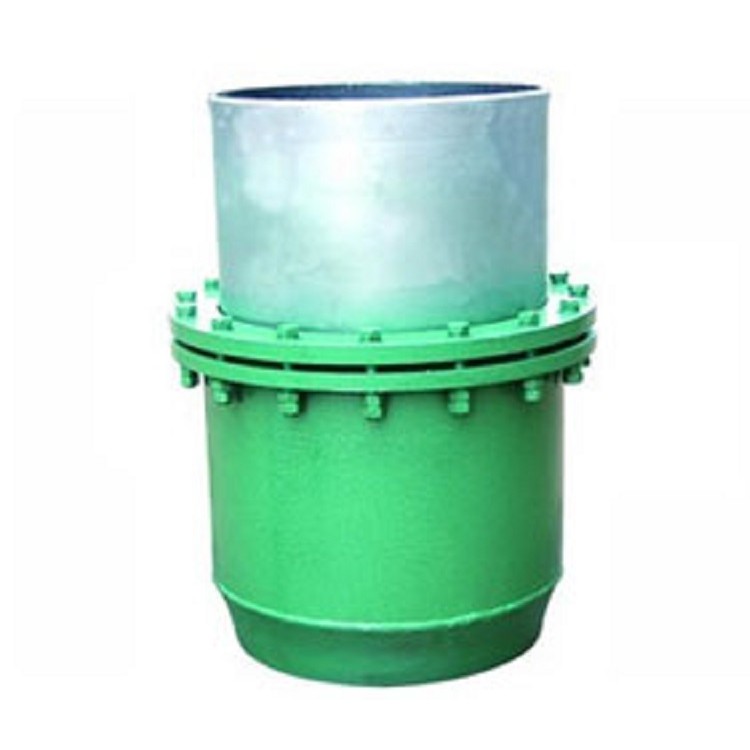
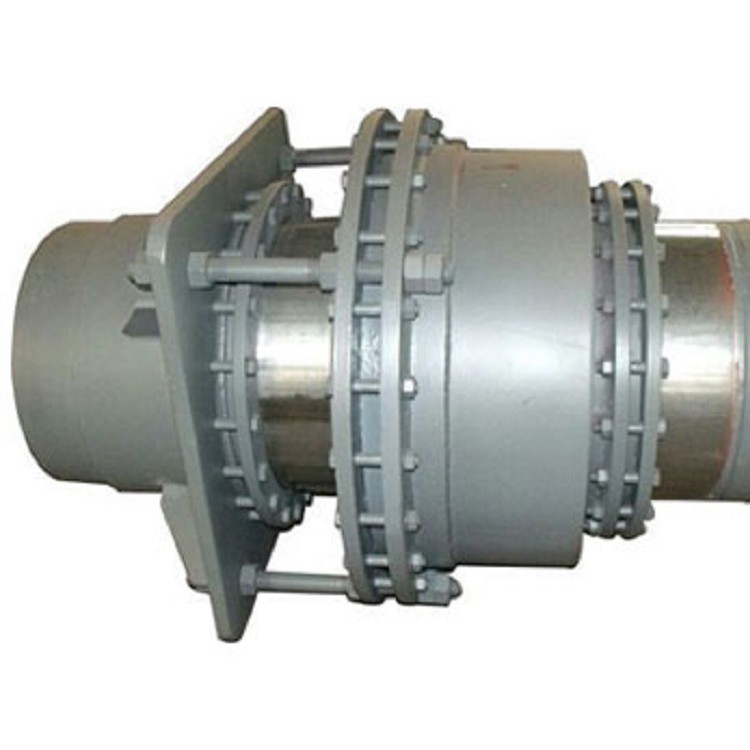
Sleeve Compensators, also known as pipe expansion joints, are compensating devices for hot fluid pipelines, primarily used for the auxiliary installation of straight pipelines. Suitable for hot water, steam, and oil-based media, they achieve compensation for thermal expansion through the sliding movement of the sleeve relative to the outer sleeve.
Sleeve compensators are suitable for medium engineering pressures of ≤4.5MPa and medium temperatures ranging from -190℃ to 630℃.
The sleeve compensator utilizes a new type of sealing material, flexible graphite, which boasts high strength, a low friction coefficient (0.04~0.10), resistance to aging, excellent performance, and easy maintenance.
The sleeve compensator boasts a long service life, with fatigue life comparable to that of pipelines. The sliding surface is specially treated for excellent corrosion resistance in environments like saltwater and salt solutions, exceeding austenitic stainless steel by over 50 times. Additionally, it automatically repairs itself under spring tension pressure after years of wear, without affecting continued use. The sleeve compensator has no requirements for chloride ion content, making it particularly suitable for systems with medium or surrounding environments that exceed chloride ion standards.
Sleeve compensators come in uni-directional and bi-directional compensation structures. The feature of the bi-directional type is that regardless of where the medium enters the compensator, the sliding sleeves at both ends of the compensator always slide freely, achieving bi-directional compensation and increasing the compensation amount.
Direct-buried sleeve type compensators can be buried directly underground without the need for maintenance wells, offering low construction costs. Sleeve compensators are suitable for straight pipeline installations and consist of an inner sleeve, outer sleeve, check valve filling assembly, tail sleeve, filling cavity, guide bearings, and more.
特点 of the sleeve compensator structure:
(1) By means of relative sliding motion along the pipeline axis direction, the thermal elongation of the pipeline is absorbed through cold and hot shortening, thereby releasing the thermal stress of the pipeline.
(2) Special sealants are injected through check valves, enabling sliding seals between the inner sleeves under balanced sealing pressure.
(3) Relying on guide bearings to bear the lateral force of the pipeline, achieving high coaxiality in the relative motion between the inner and outer sleeves, preventing damage to the electroplated inner sleeve, and ensuring a more reliable and durable seal during pipeline operation.
(4) The inner tube is designed with a firm anti-pulling-out feature at the end of the outer tube, enhancing the product's safety.

