
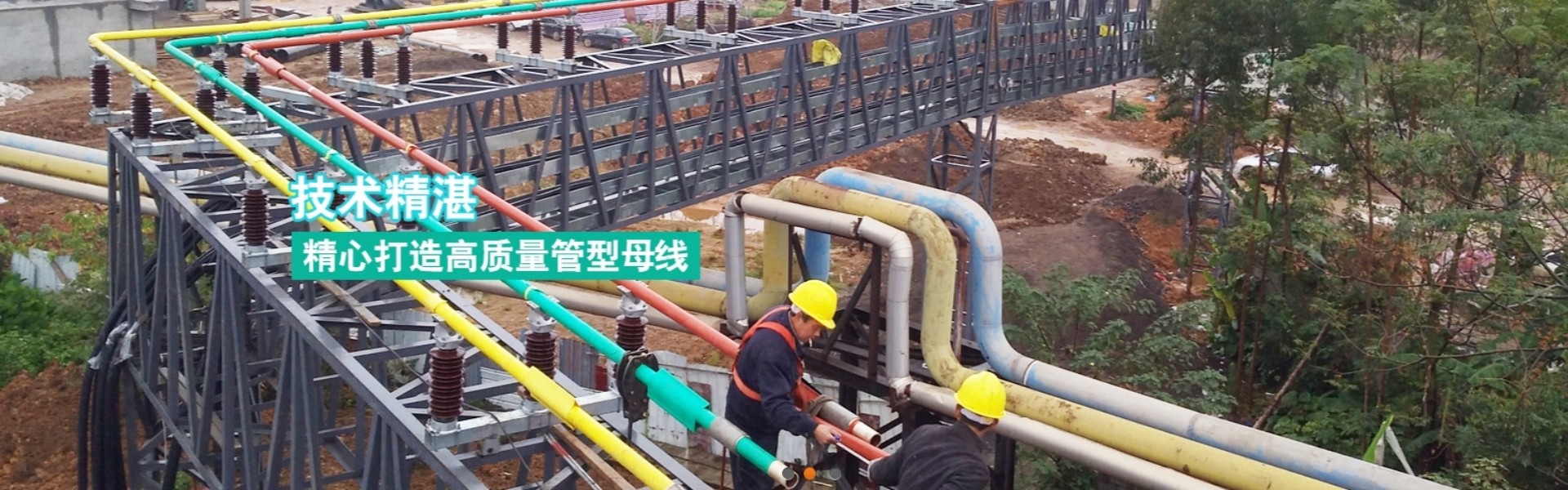


Steel bridge structures, serving as supporting members for cable laying, must accommodate various loads and spans, meet mechanical performance requirements, and possess structural rationality and cost-effectiveness with minimal material consumption.
Steel cable trays are generally used for the collective laying of multiple cables. Once the cables are installed and operational, it is often difficult to apply surface anti-corrosion treatment to the metal trays. Therefore, it is necessary to implement factory-based, one-time surface anti-corrosion treatment for them, adhering to strict quantitative technical requirements specific to the environment.
For engineering projects with high safety expectations, such as power plants, petrochemical, metallurgical enterprises, or key building facilities, the selection of bridge material and construction methods must also consider fire prevention and耐火 requirements to prevent cable fires from spreading.
In addition, it should meet certain specific standards and pass the necessary experimental verification.
The steel cable tray structural system includes various categories and series of types and configurations, thus necessitating a reasonable selection based on engineering usage conditions, while also requiring the products to meet corresponding technical specifications, such as allowable tolerances, and other technical indicators.
Throughout past engineering practices, while the majority of steel cable trays have been effective, there have been a few quality issues. These include collapses after assembly, severe corrosion within just a few years, poor fire and耐火 performance in some materials, significant defects caused by inappropriate engineering selection, and issues such as poor quality materials, rough processing, loose welds, uneven and insufficient adhesion of the anti-corrosion coating, and more. The root cause is the failure to strictly adhere to technical standards and legal certification procedures.
