
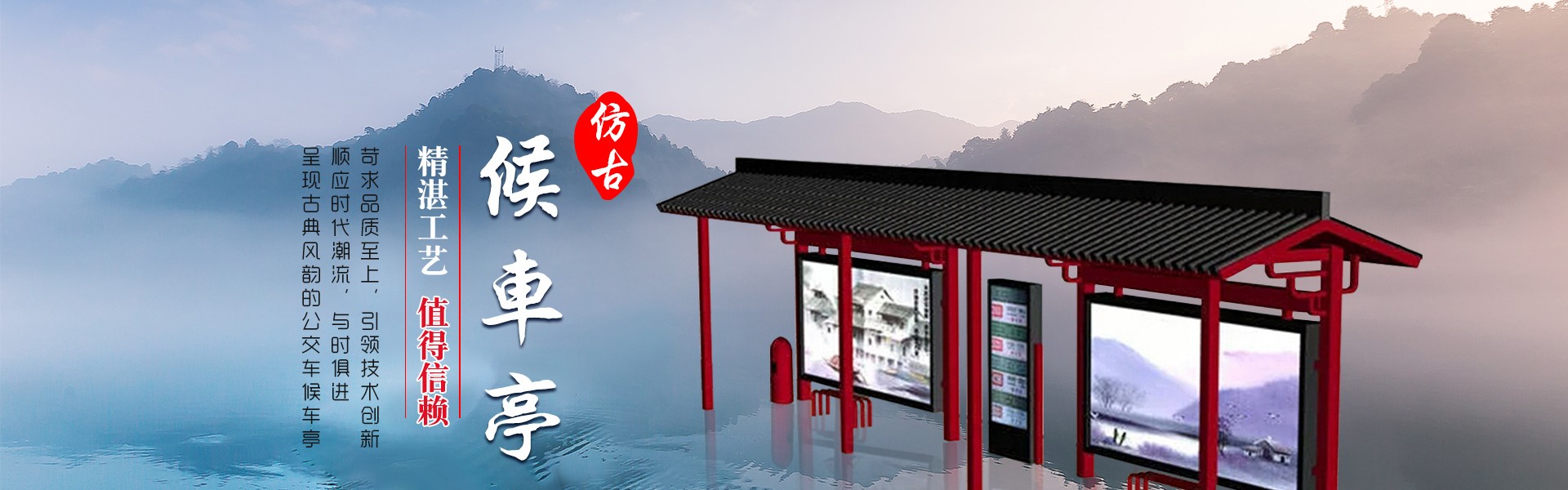
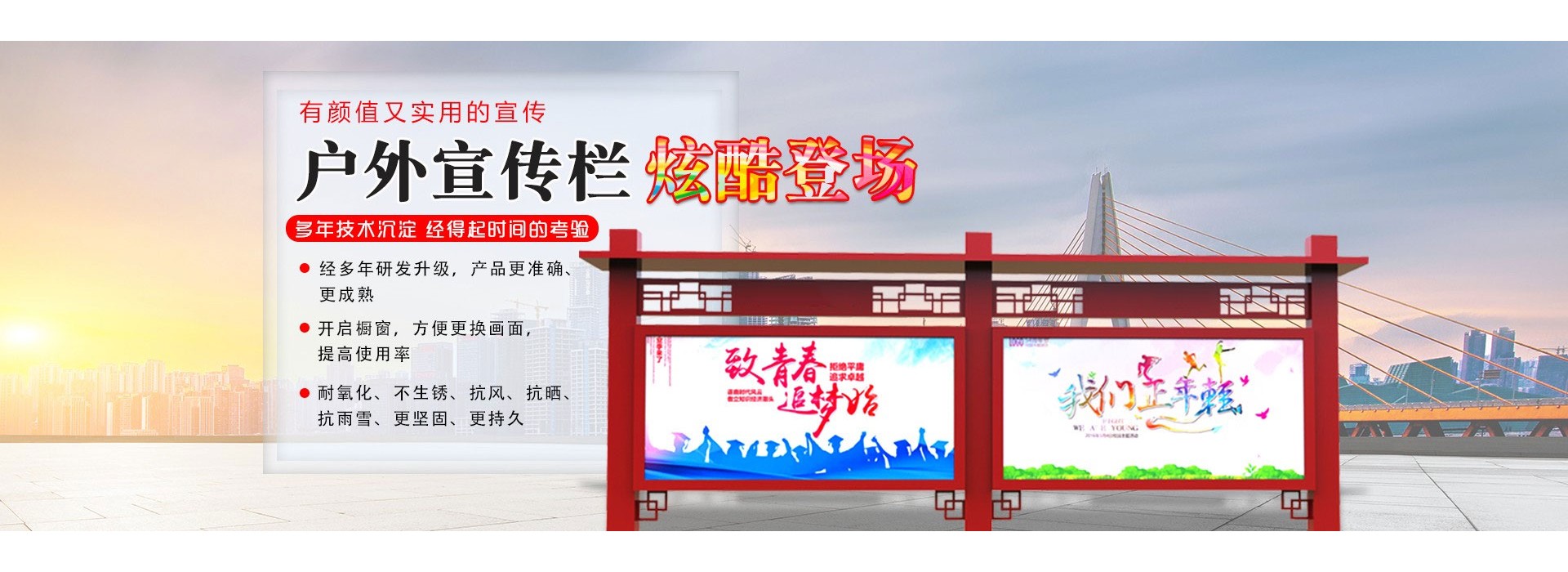
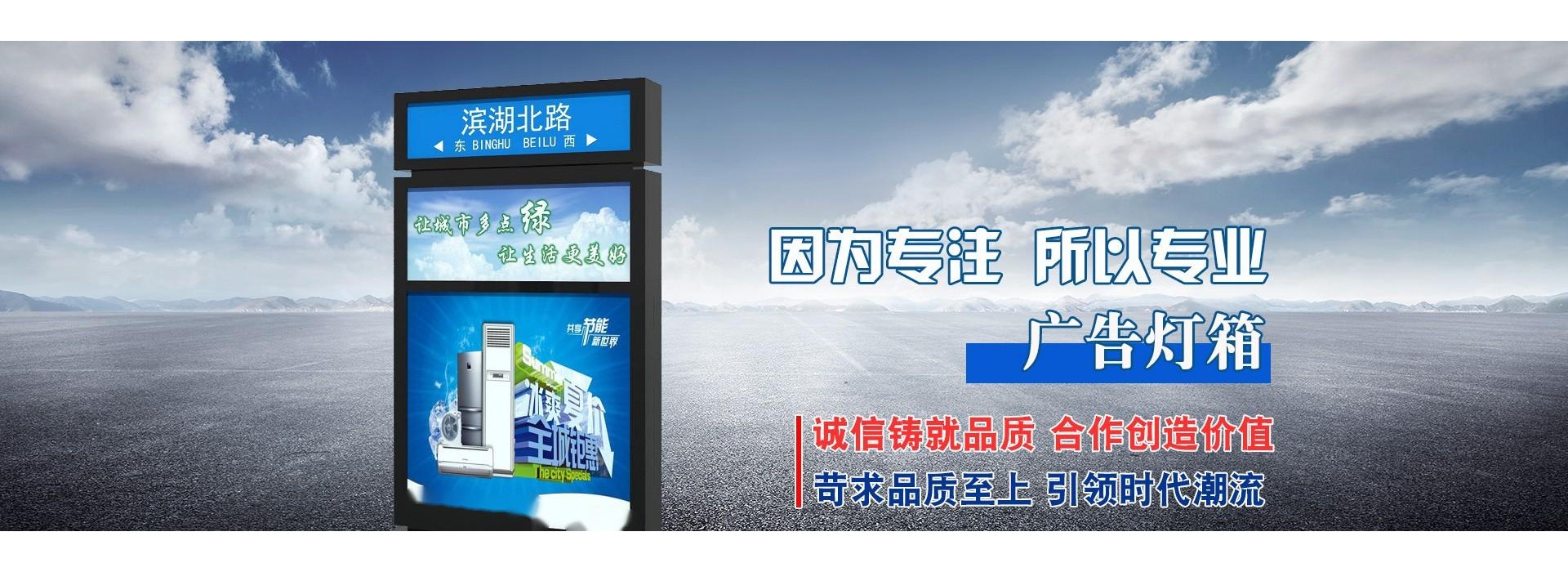

As urban public transportation networks gradually improve, an increasing number of cities are beginning to install new types of bus shelters, such as antique-style, stainless steel, and solar-powered shelters, among others. These shelters not only boast attractive appearances but also play a crucial role in the city. For bus shelter manufacturers, the production of bus shelters is in full swing, and competition is fierce. So, how can manufacturers stand out in this intense competition?
1Our bus stop shelters were initially designed to cater to the transportation needs of more people, allowing them to board a bus directly at a single location that leads to their destination. Different localities have varying demands for the functionality of bus stop shelters. As a manufacturer of bus stop shelters, to find a precise product positioning, it is crucial to understand market needs. This involves conducting extensive market research, staying abreast of the larger environment, and continuously improving the functionality and practicality of our products. We should also keep up with the trends of the times, updating and replacing our product designs and manufacturing processes in a timely manner to achieve accurate product positioning.
2Quality Control: A company's development hinges not only on product positioning and corporate philosophy, but also on the quality of the products that clients value. A reputable bus stop manufacturer must prioritize quality issues from the outset of production, rigorously ensuring quality in every detail. Since bus stops are constantly exposed to the air, wind, and sun, any quality issues would pose a catastrophic threat to the manufacturer.
3After-sales service is crucial. From production to sale, a product ultimately earns the recognition and trust of the customer. Beyond the initial stringent controls, what customers truly care about is the after-sales support. A comprehensive after-sales service directly impacts product sales and the level of recognition from the market. Often, issues arise with products after they are sold, and if the after-sales service from the kiosk manufacturer is inadequate, it can diminish the customer's recognition of the product and question the manufacturer's credibility.
