



Bus Shelter Pillars are a key component of bus shelters, and therefore, they must be carefully considered when designing a bus shelter. The design of bus shelter pillars should focus on three key aspects: load-bearing, installation, and appearance.
One: The primary function of the support pillars of the loading waiting shelters is to bear the load, specifically: the net weight of the canopy, advertisement light boxes, and related equipment. This is also a crucial function and the essence of the pillar's value. Factors affecting the load-bearing capacity of bus waiting shelters: first, the material of the pillars; under the same conditions, the better the material, the better the load-bearing effect. Second, the thickness of the pillars; under the same material, thicker pillars have stronger load-bearing capacity. Lastly, the number of pillars; undoubtedly, double pillars will have much better load-bearing capacity than single pillars!
The design of the installation columns for bus shelters is based on a standard for easy assembly. Due to their material composition, bus shelters are relatively heavy, especially during assembly, which highlights their weightiness. Moving them is quite challenging, and even a slight misalignment can require considerable effort to adjust. Therefore, if the columns are easy to install, it can save a lot of time and effort, and also relatively reduce safety risks.
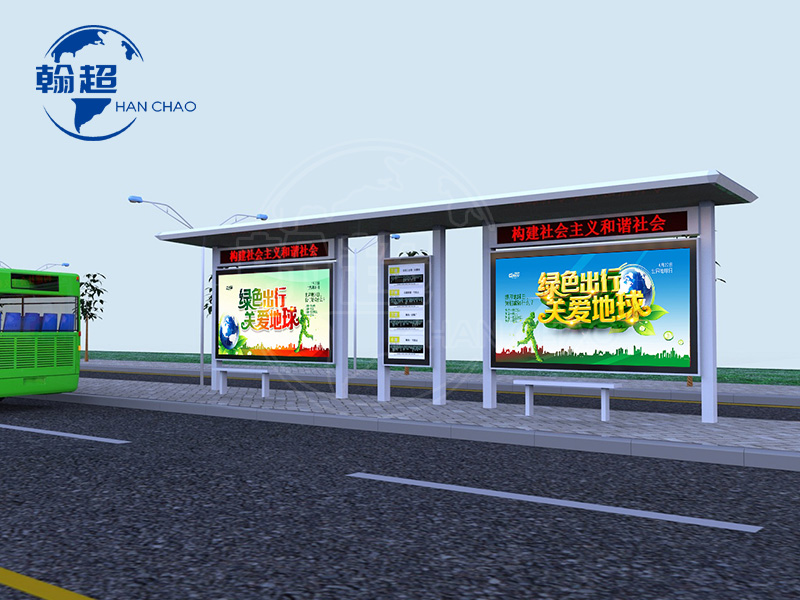
The design of the pillar, as a key component of the waiting shelter, immediately impacts the overall effectiveness of the shelter. The shelter itself, as a public facility, is not only a visual element of the city but also a reflection of the city's comprehensive level. Therefore, the design of the shelter's pillar is a crucial stage that cannot be overlooked.
