
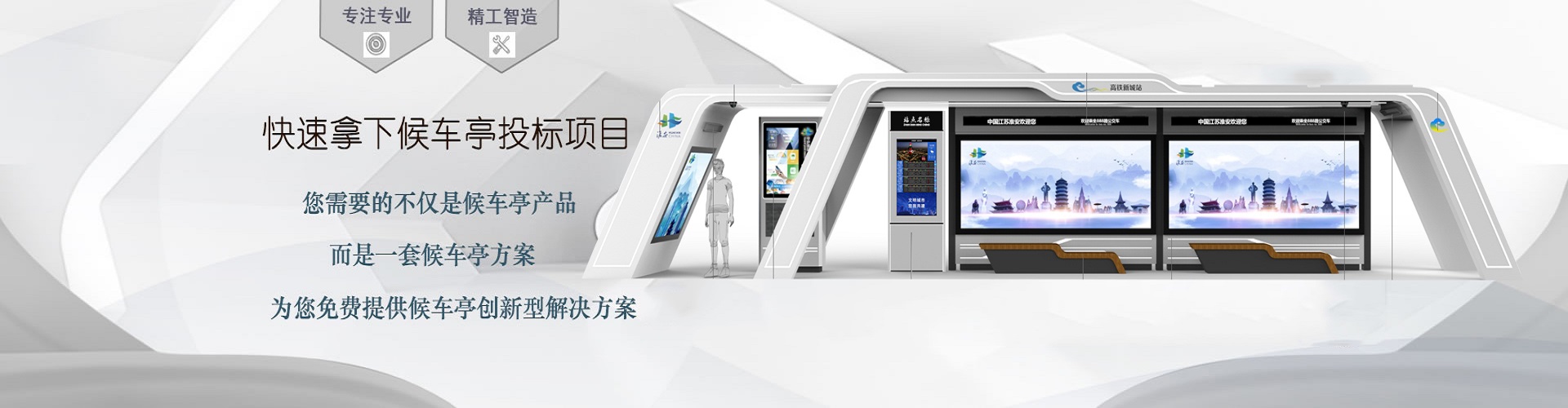

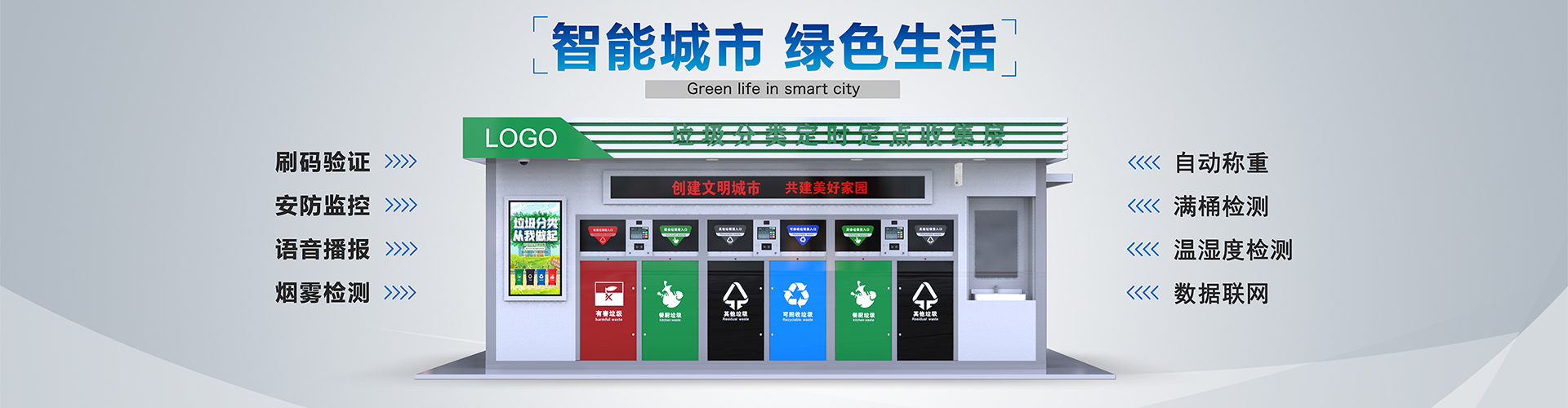

As technology and cities continue to open up, urban areas are showing an increasing trend towards smartification. Smartification is not just a trend; it's a strategic response to the challenges of urban expansion. It promises more convenience and competitiveness for cities. The production of smart public facilities is a crucial component of smart cities, with smart bus shelters being a noteworthy aspect. Smart bus shelters can utilize artificial intelligence technology to improve urban environmental quality and promote city development.
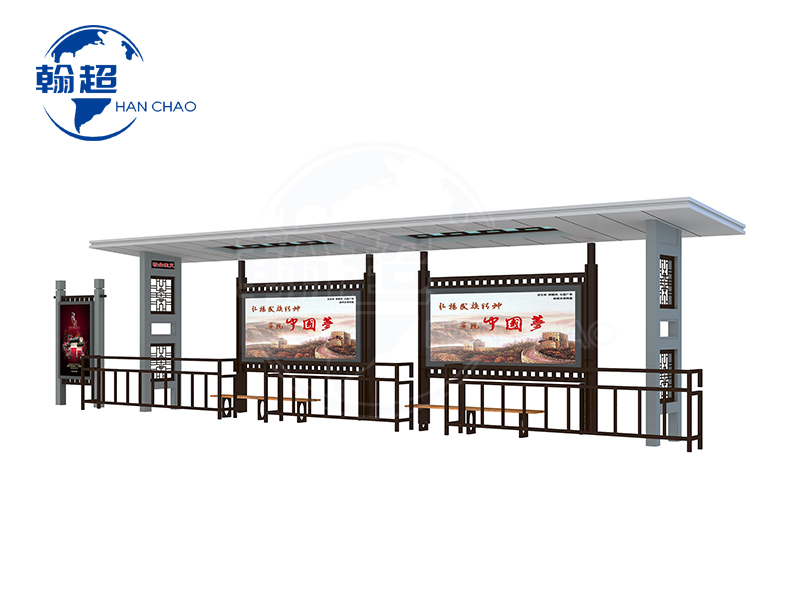
One, Enhancing the Commuter Experience
Intelligent Bus Stops effectively enhance the public's travel experience. Within these smart bus stations, people can utilize self-service options for ticket purchases, information inquiries, and more. The spacious and bright environment makes the travel process more comfortable. The intelligent bus stops also incorporate facial recognition technology, allowing passengers to scan their faces for direct entry and exit, enjoying the convenience of artificial intelligence technology during their journey and wait times.
Two: Advancing Technology and Our External Image
The widespread deployment of intelligent bus shelters enhances the city's image, raises its level of civilization and technological content. When the public sees the extensive use of smart bus shelters in the city, they often associate it with the city's advancement, openness, and technological advancement. Therefore, the widespread use of intelligent bus stations is not only a convenient method for public travel but also an improvement of the city's image.
III. Progress on Public Facilities Handling
As cities continue to open up, urban management faces new challenges. To address these issues, artificial intelligence technology can assist cities in advancing public facility management. Smart kiosks can utilize AI technology to enhance processing efficiency, providing a better public facility experience. The advent of the internet and AI technology offers a new approach to urban management.
The Smart Bus Shelter, through establishing an intelligent public facility system, not only significantly enhances the quality and service level of urban infrastructure, but also accelerates the city's intelligentization process, bringing about convenience and intelligence for many citizens. The technological advancement of smart public facilities is not only a step forward in urban innovation but also offers more and more possibilities for people's daily commutes.
