






详情描述
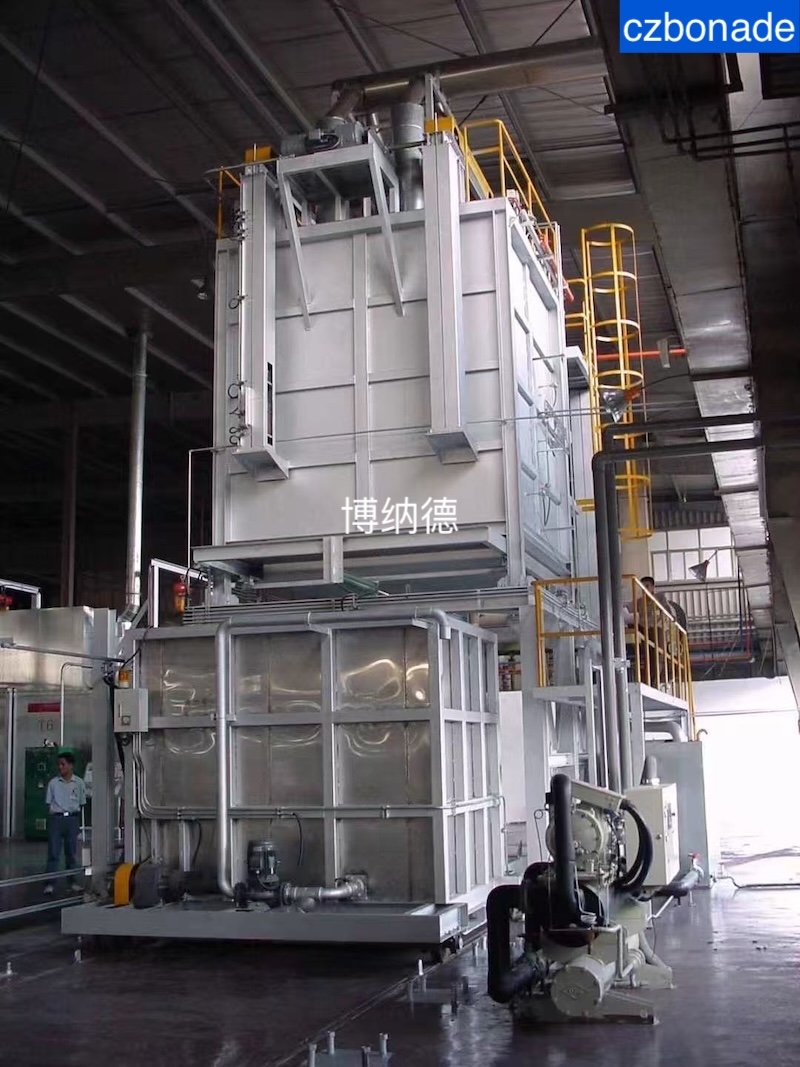
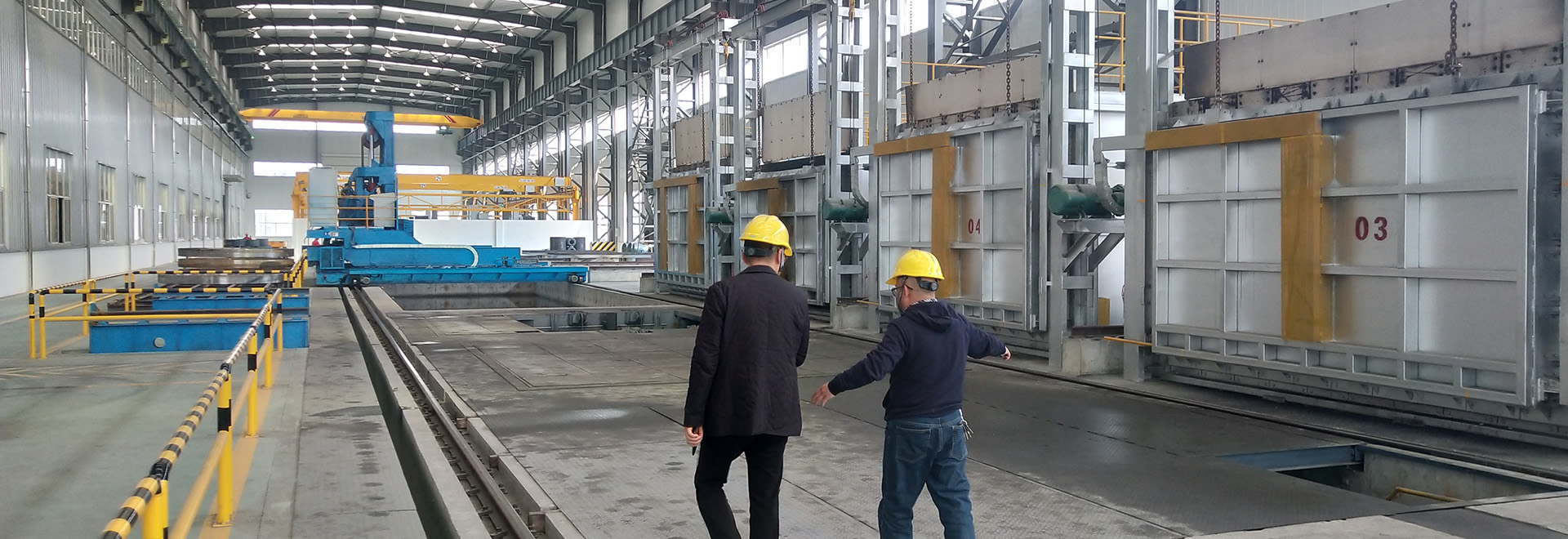
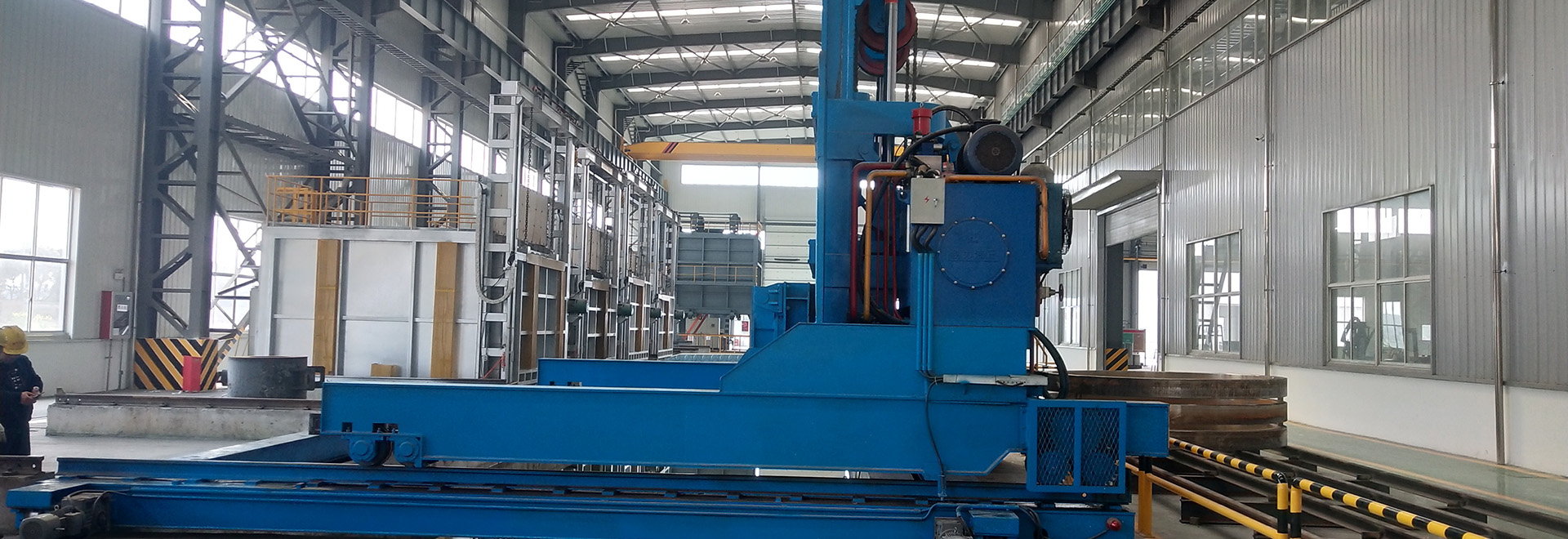
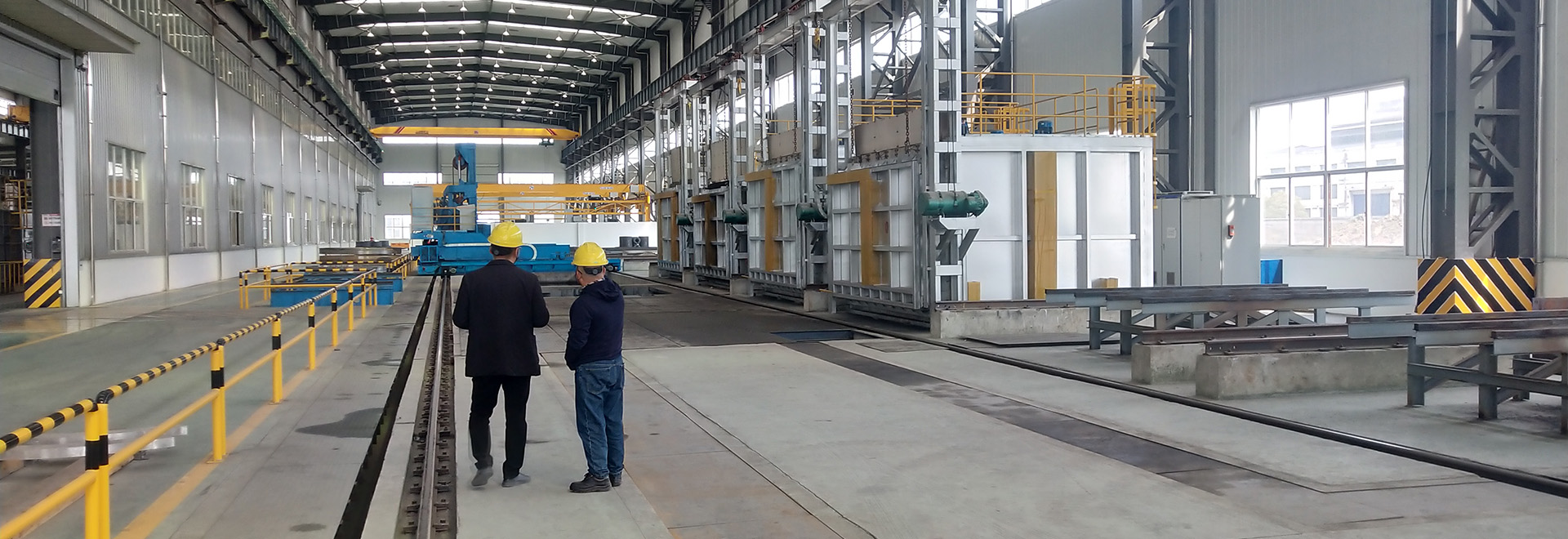
Fully automatic vertical quenching furnace, including a movable quenching water tank, loading station for vertical aluminum alloy quenching furnace to perform solution heat treatment, followed by rapid quenching. Especially for thin-walled aluminum components, it is crucial to ensure that the quenching delay time from opening the door to complete immersion in the quenching tank is only 5 seconds. Typically, only this furnace model can meet these stringent requirements. This vertical quenching furnace is mounted on a base, allowing a quenching tank to be placed directly beneath. For quenching, the bottom moves horizontally to one side, and a load box with parts is lowered into the quenching tank using a lifting unit integrated into the furnace. Operation can be controlled automatically or semi-automatically. Due to the wide temperature working area, vertical equipment can complete the entire T6 heat treatment process in the furnace, including solution heat treatment, quenching, and artificial aging.
Equipment Details
Operating temperature range is between 80°C and 600°C.
Operating temperature can be optionally extended to 650°C
Typically uses electric heating, direct or indirect heating options are also available.
Based on the location and the geometric dimensions of the billet, the airflow direction is horizontal to vertical.
Comply with relevant aviation and automotive standards, such as AMS2750H or GB9452-2023
Quenching tank
Quenching tanks or polymer quenching tanks are constructed with a single-wall stainless steel design, featuring a standard circulating system for the quenching medium to effectively dissipate heat from the components. Temperature and level are monitored. All tanks are equipped with water inlets and outlets as well as a heat exchanger. Upon customer request, a controlled heating device for preheating the quenching medium and/or a heat exchanger for cooling can be added to the quenching tank. For continuous maintenance of the quenching medium at high temperatures, it is recommended to use a tank with or without a cover and insulation layer.
The equipment is controlled via a Siemens PLC control unit. Its operation is comfortable and can be managed through the Bonaire control center software, which is computer-based.


