

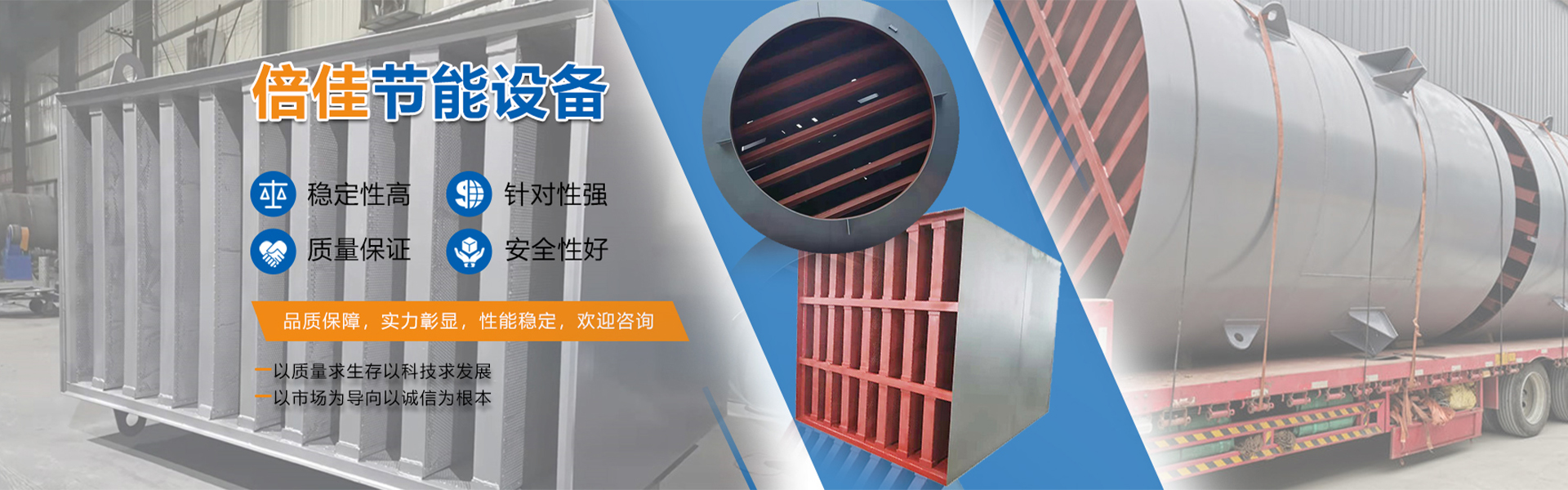
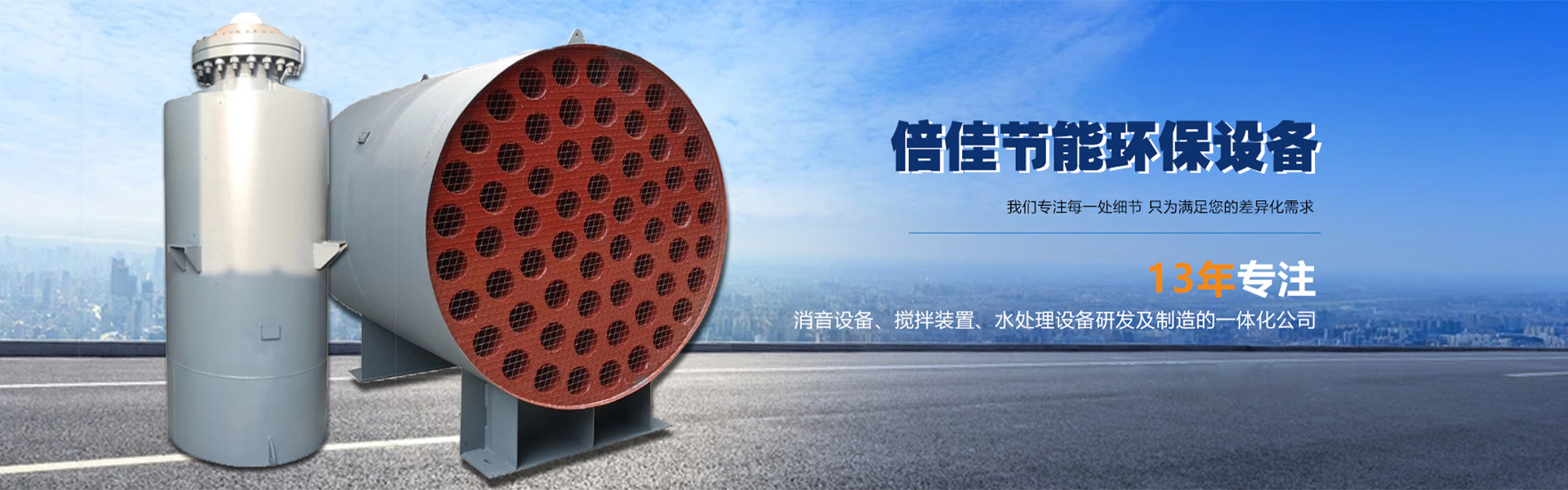

A muffler refers to noise reduction devices for air ducts with simultaneous noise propagation, which include pipes and elbows lined with sound-absorbing materials, or pipes with sudden changes in cross-sectional area and other discontinuities in acoustic impedance to attenuate or reflect noise within the duct. The former is called a resistive muffler, the latter an impedance muffler, and there are also composite impedance mufflers.
Applicable Fields
The new high-efficiency anti-spray and anti-noise series of silencer equipment is widely used in power generation, chemical, metallurgical, textile, and other industrial plants for various types of boilers, steam turbines, exhaust gases; fans; safety valves, and other equipment to reduce noise. This series of silencers is developed based on the composite noise reduction principle of resistance, spray, and obstruction, featuring large noise reduction capacity, compact size, light weight, and easy installation with no need for maintenance.
TA Type Steam Safety Valve Silencer, suitable for various steam safety valves
The TA-type exhaust silencer for safety valves, such as steam relief valves for power station boilers, drum safety valves, superheater safety valves, and reheater safety valves, ensures a pressure device's safety door functions effectively. It is designed to release steam with minimal noise while allowing smooth exhaust without affecting the safety valve's flow rate, actuation, and return. Therefore, traditional methods like multi-stage throttling and small-hole injection for noise reduction are not suitable. This limitation has always been a design challenge for safety valve silencers and a reason for their poor noise reduction performance. The new TA-type exhaust silencer for safety valves employs a composite impedance noise reduction principle, replacing smaller diameter control holes with larger holes for expansion, thereby strengthening both resistive and reactive noise reduction mechanisms structurally. This achieves a higher safety coefficient and superior noise reduction effect.
TB Type Ignition Exhaust Muffler for Boilers and Steam Equipment
The TB-type boiler exhaust muffler integrates the reasonable noise reduction principle of the PB-type exhaust muffler. After high-pressure steam is once controlled within the muffler, it enters the pressure-reducing chamber. Upon being expanded and pressure-reduced in the large-volume space, the exhaust noise often remains above the standard value due to various reasons, such as the deviation from the designed exhaust value. To address this, a composite noise-reduction and absorption cover made of multiple materials is designed outside the pressure-reducing chamber. This composite cover is tailored according to the frequency spectrum characteristics of the residual noise emitted by the pressure-reducing chamber, effectively absorbing the remaining noise. After the user installs it according to specifications, the total noise reduction can reach 36 to 42 decibels.
3. TD Type Low-Pressure Steam muffler for various low-temperature, low-pressure thermal equipment
A significant number of industrial and mining enterprises utilize low-pressure boilers with pressures of 0.13Mpa and below. In power plant thermal systems, there are also numerous low-pressure thermal devices, such as back-pressure turbines, deaerators, auxiliary exhaust blowers, turbine oil pumps, continuous blowdown from boilers, and periodic blowdown, among others. These equipment are equipped with noise dampers that are lightweight in structure and easy to install, as per the requirements of the exhaust piping. For different noise reduction targets, specialized TDb-type back-pressure turbine exhaust dampers, TDy-type deaerator dampers, and other series of noise reduction products are designed to meet customer requirements.
TC-type specialized silencer for boiler trial run blowout and industrial pipeline installation and maintenance.
The TC Type Pipe Flush Silencer is a specialized exhaust noise reduction device developed to reduce the noise generated by the exhaust of debris and waste gas during the trial operation and flushing of power plant boilers. It can also be used for flushing, noise reduction, and debris removal after installation or maintenance of industrial pipelines and civil pipelines.
5. PB Series Small Hole Injection Silencers for Pipeline Emission Gas
The PB series micro-hole injection silencers were developed and launched as a new generation of noise reduction products in the 1990s. Based on the principle of micro-hole pressure reduction injection silencing, through optimized design, they far exceed the noise reduction standards, safety performance, and service life of similar products on the market. They are capable of better meeting the noise reduction needs of steam (gas) exhaust from various pressure levels, including low, medium, sub-high, high, ultra-high, and subcritical, in boilers and pressure vessel pipelines across industries such as power, metallurgy, petroleum, chemicals, textiles, papermaking, and food processing.
6. CF-type silencers for ventilation ducts
Fans are a type of general machinery and equipment with a wide range of applications, essential in industries such as power, mining, machinery, metallurgy, and chemical engineering. The noise generated during their operation often becomes a source of harm to workers' health and environmental disruption. Particularly, fans located near residential areas, with their intake and exhaust air dynamic noise, are a major factor in environmental pollution, creating public nuisances. They are one of the primary targets for noise pollution control in our industrial sector.
7. CP-type Exhaust Muffler for Diesel Generators, designed for diesel generator exhaust noise reduction
Diesel generators, renowned for their excellent economic and power performance, are widely used in industrial and mining enterprises for production and operation. However, due to the presence of a certain amount of soot (commonly known as black smoke) in the exhaust gases during operation, this phenomenon is caused by incomplete combustion of fuel. Consequently, conventional ventilation exhaust mufflers, such as micro-perforated plate mufflers and those with sound-absorbing fillings, are not suitable for use in such environments. The reason is that they can only provide temporary noise reduction.
