
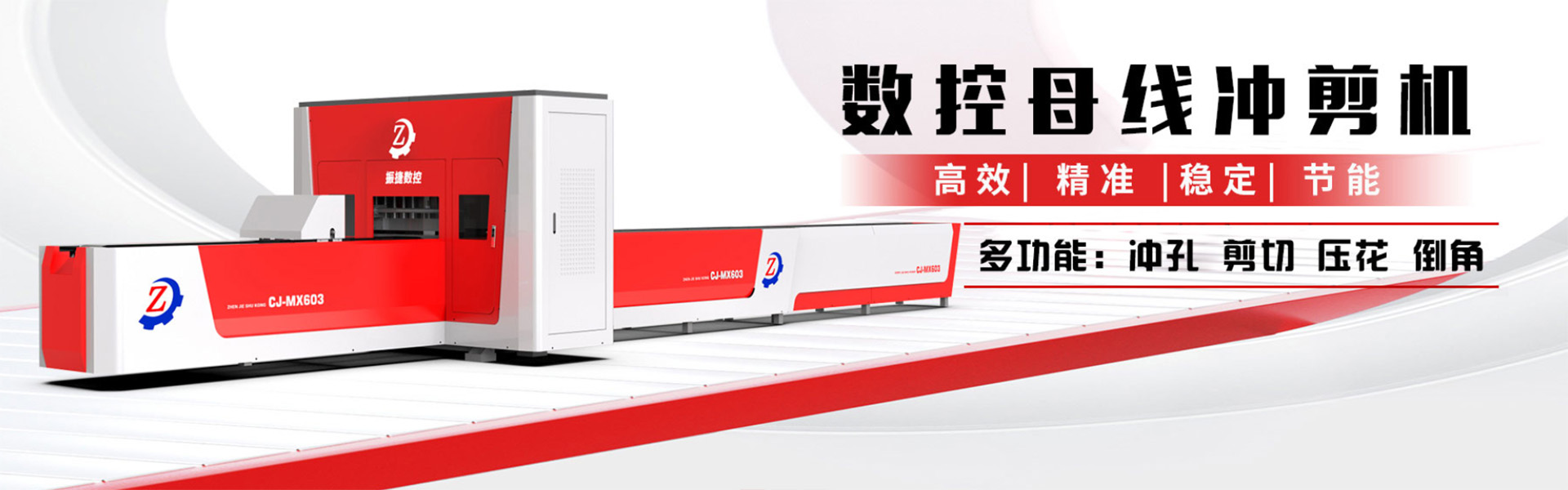
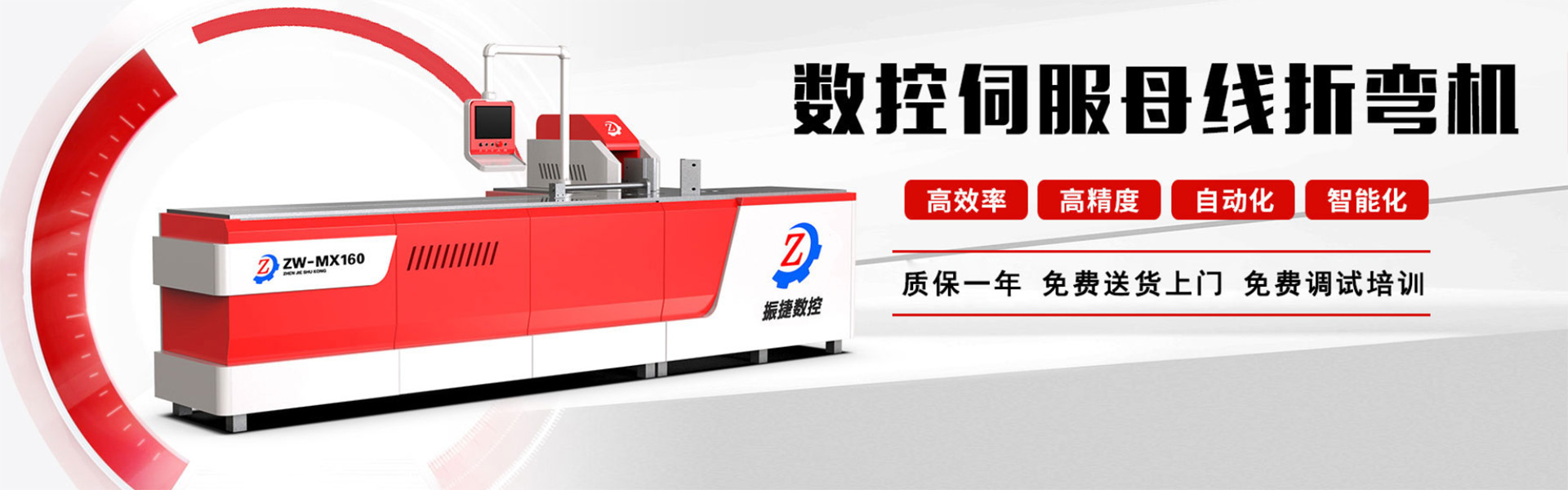
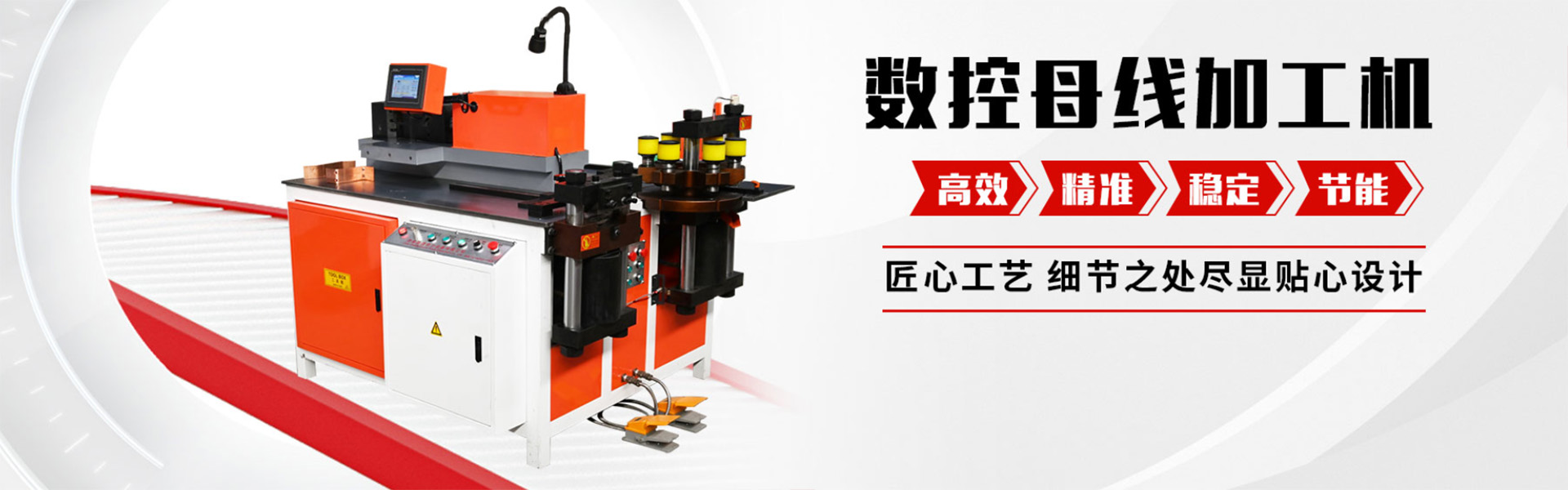

Main bus bar machining machines must sharpen their cutting edges after long-term use. After grinding, the cutting edge surface must be demagnetized to ensure no magnetic force remains, as this can lead to material blockages. Elastic parts like springs are prone to damage during operation, typically exhibiting breakage and deformation. The method adopted by the bus bar machining machine is to replace these parts. During the replacement process, attention must be given to the specifications and models of the springs. The specifications and models are identified by three factors: color, outer diameter, and length. Replacement can only be made when all three are identical.
During the production process of busbar processing machines, the punches are prone to show signs of bending, kinking, and chipping. The punches are usually worn out, and the punch sleeves are commonly damaged as well. The replacement of damaged punches and punch sleeves is generally done with parts of the same specification. The main variables for the punch include the working section size, installation section size, and length size. For securing parts, the method to check for looseness or damage is to find parts of the same specification for replacement. Pressure parts such as pressure plates and high-strength adhesives, and unloading parts such as unloading plates and pneumatic lifting devices.
During the maintenance and inspection of the busbar processing machine, check the relationships and condition of all components, repair any damaged parts, inspect for air leakage in the pneumatic lifting mechanism, and take appropriate measures for specific issues. Replace damaged air tubes as necessary. Select the correct busway rated current volume based on the operating current of the busbar processing machine, and choose the rated current volume according to the standard current grade provided by the manufacturer's busway product specifications.
Busbar processing machines typically consist of the following units within a busbar slot system: power supply busbars (without terminals) or plug-in busbars (with terminals) straight section units; equipped with three-phase four-wire and three-phase five-wire systems (with an additional independent PE busbar, or some manufacturers supply aluminum alloy shells for a group grounding PE method). Input (output) units for interfacing with transformers, distribution cabinets, and other equipment; directional units include L-shaped, T-shaped, and Z-shaped units; expansion units include expansion joint busbar units; and plug-in units include plug-in box units. All units are generally pre-set by the busbar slot manufacturer to standard specifications, but can also be customized based on engineering requirements after on-site surveys to meet user and installation needs. The busbar slot system is commonly used in transformers.
Our company specializes in the production and sales of busbar processing machines, offering you professional busbar processing machines. Please call for busbar processing machine quotes.
