

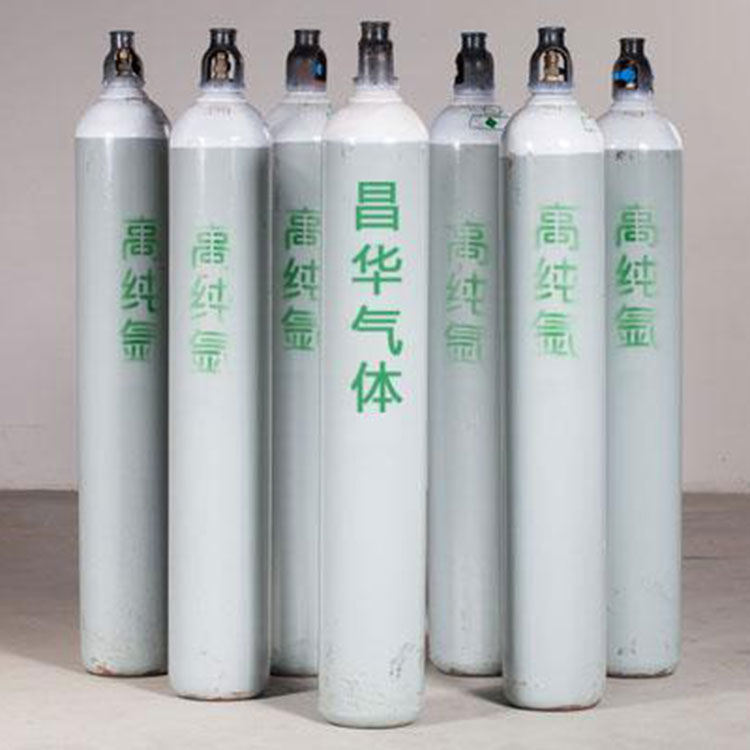
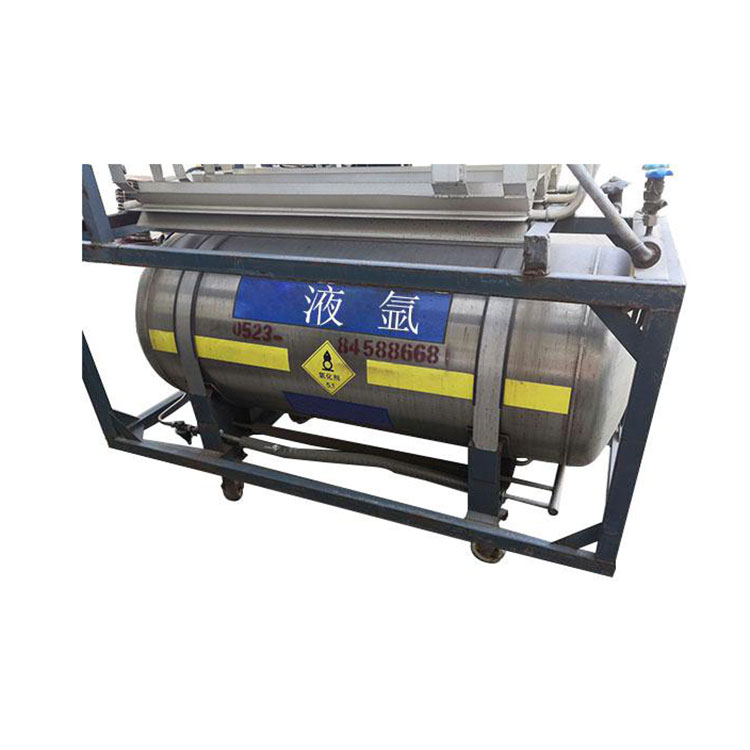
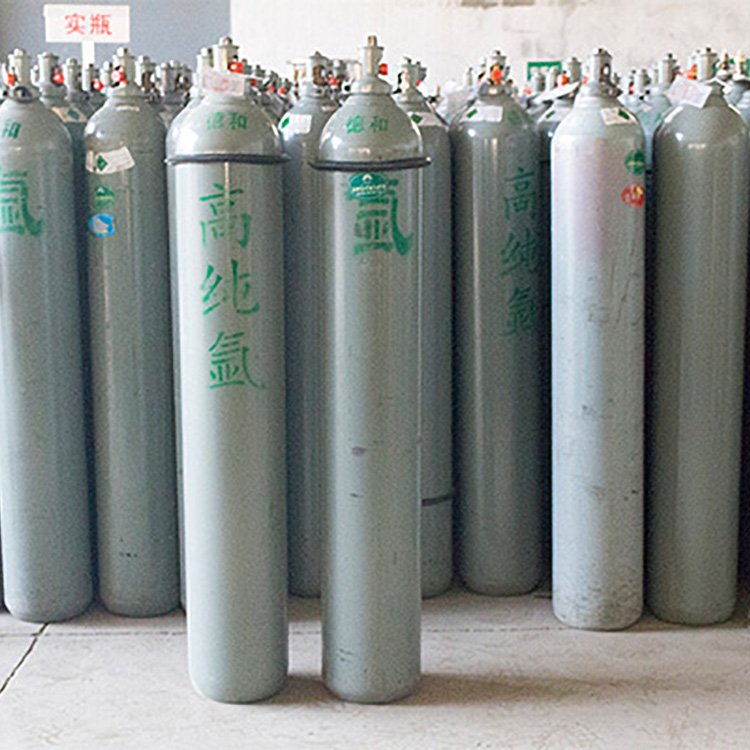
Argon is primarily used in welding, stainless steel manufacturing, smelting, and for processes such as chemical vapor deposition, crystal growth, thermal oxidation, epitaxy, diffusion, polycrystalline silicon, tungstenization, ion implantation, carrier gas, sintering, etc. in semiconductor manufacturing. It also serves as the carrier gas for instruments like ICP and gas chromatographs, as well as standard, balanced, and zero-point gases.
Product Name: High Purity Argon Liquid / Argon
Other Names: Liquid Argon, High Purity Argon
Molecular Formula: Ar
UN NO.: UN 1006
CAS NO.: 7440-37-1
Product Purity: 99.99%
Applications of Argon Gas
Stainless Steel Welding Protective Gas
Aluminum alloy welding shielding gas
Welding protective gas for copper alloys
High-purity argon is widely used in ICP spectrometers.
High-purity argon gas is widely used as the filling gas for energy-saving lamps, incandescent bulbs, and fluorescent lamps.
High-purity argon gas for ArF excimer laser gas
Ultra-pure argon gas for the electronics industry manufacturing
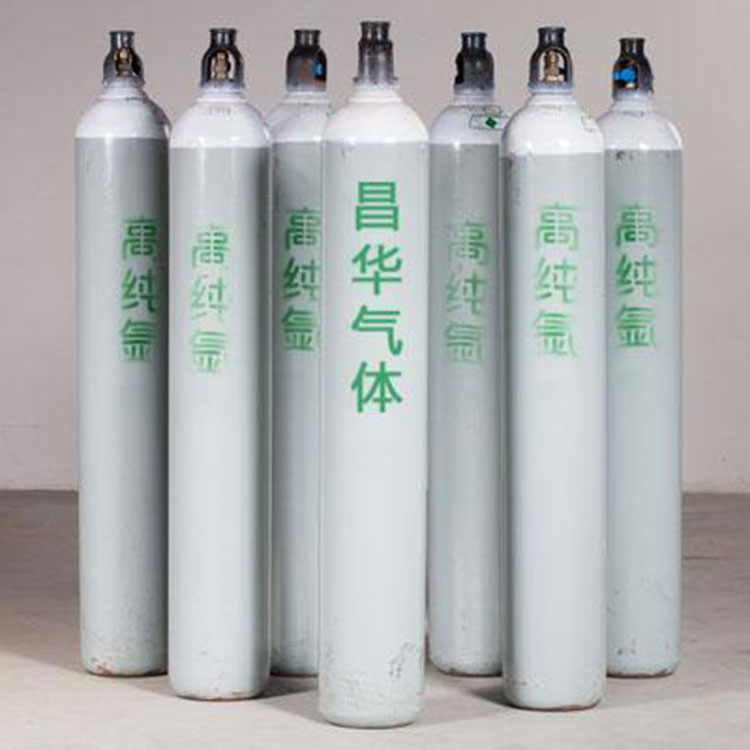
Cautionary Notes
Argon gas pipelines should be sealed and airtight. Provide adequate natural ventilation. Operators must undergo specialized training and strictly adhere to operational procedures. Prevent gas from leaking into the workplace air. Handle with care to avoid damage to cylinders and accessories. Equip with emergency leak response equipment. Argon is an odorless, tasteless, non-toxic, non-flammable high-pressure gas stored in cylinders. Its increase can lead to oxygen levels below 19.5%, posing asphyxiation risk. Use self-priming breathing apparatus. Bottled gas products are high-pressure charged gases, which must be depressurized before use. Each cylinder is marked with an expiration date, and expired cylinders must be sent to a department for safety inspection before reuse. When a cylinder is used to the last gas, the remaining pressure inside should be maintained at 0.5MPa, with no less than 0.25MPa residual pressure. Close the cylinder valve to ensure gas quality and safety. Bottled gas products should be stored and handled in designated areas, strictly prohibiting mixing flammable and oxidizing gases. Keep away from open flames and heat sources. Avoid fire, oil, prolonged exposure to sun, heavy drops, impacts, and do not arc or spark on the cylinder. Prohibit rough handling and unloading.
