
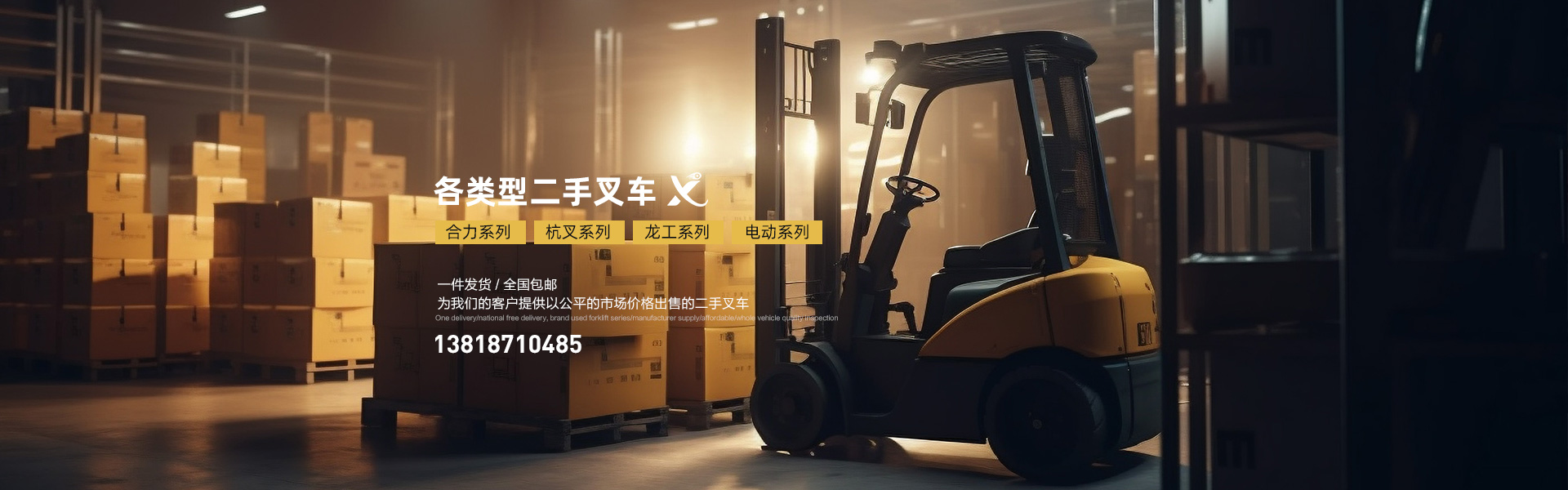

Used Forklift Buying and Test-Driving Guide
In the logistics and warehousing industry, forklifts are an indispensable piece of equipment. However, purchasing a new forklift can be an expensive investment. Therefore, many companies opt to buy used forklifts to cut costs. But buying a used forklift requires extra caution to ensure you get value and meet your needs. In this article, we will provide you with a guide on purchasing and test-driving used forklifts.
Section 1: Used Forklift Market Research
Before purchasing a used forklift, it's essential to conduct thorough market research. Understand the local used forklift market trends, including different brands and models, price ranges, and market demand. You can also gather more information and reviews about used forklifts through the internet and social media channels.
Selecting the Right Used Forklift
When selecting a used forklift, consider the following factors:
Select used forklifts from well-known brands and models to ensure reliability in quality and performance. Additionally, make sure the selected forklift meets your specific requirements and workloads.
Understanding the usage condition of a used forklift is crucial. Be sure to inspect the forklift's appearance, wear and tear, and maintenance records to better assess its performance and reliability.
The primary purpose of purchasing a used forklift is to reduce costs. However, ensure that the used forklift you purchase has a reasonable price; do not overlook performance and quality in pursuit of lower prices.
Configure: Select the appropriate configuration to meet your needs, such as different power systems, lifting heights, and load capacities.
III. Test Drive Used Forklifts
Before purchasing a used forklift, a test drive is an essential step. A test drive allows you to better understand the forklift's performance, operational comfort, and reliability, among other aspects. During the test drive, please note the following:
Inspect Engine Performance: Start the engine, check for normal sounds and emissions, and simultaneously verify that gauge readings such as oil pressure and water temperature are within normal limits.
Test Maneuverability: During the test drive, please try various maneuvers such as forward, reverse, turning, and lifting to evaluate the forklift's maneuverability and stability.
Inspecting the Braking System: Conducting tests on the forklift's braking system to ensure its proper functioning and effective braking performance.
Inspect Forks and Attachments: Check the flatness and wear of the forks, as well as the presence of necessary accessories such as trays, guards, etc.
During the test drive, pay attention to the forklift's smoothness and stability in motion, as well as the comfort of the seat.
Four: Cautionary Notes
When purchasing and test-driving used forklifts, please adhere to local laws, regulations, and safety standards to ensure the safety of yourself and others.
Ensure you possess the qualifications and skills to operate a forklift, and are familiar with its performance and operating procedures.
When purchasing a used forklift, be sure to carefully inspect the relevant documents and certifications to ensure their legality and compliance.
For any concerns or questions, please consult professionals or relevant institutions for their opinions and suggestions in a timely manner.
In summary, purchasing and test-driving a used forklift requires careful attention to each stage. By conducting thorough market research, selecting the right used forklift, taking a test drive, and being mindful of relevant matters, you'll be able to acquire a high-quality, reliable used forklift that brings greater economic benefits and work efficiency to your business.
