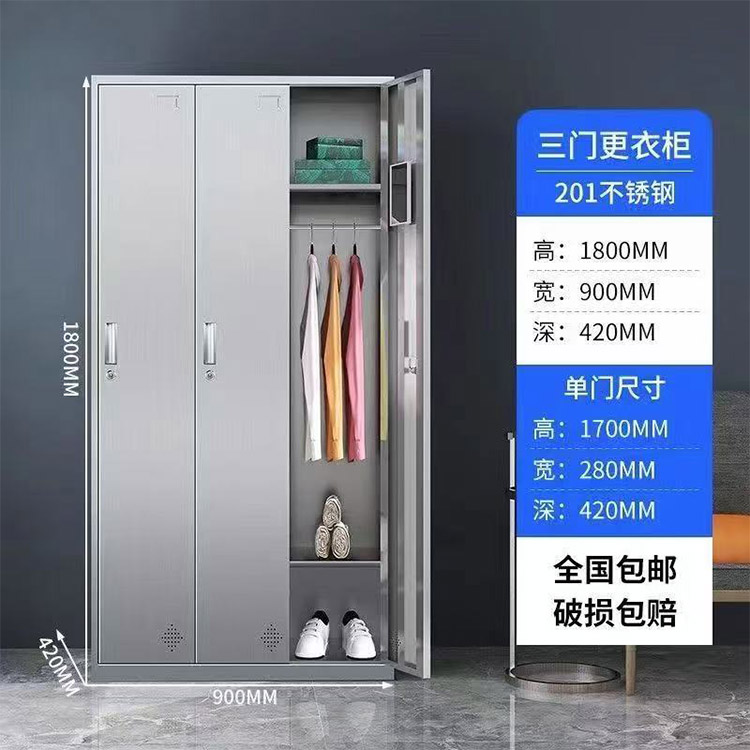
 Three-door lockable wardrobe
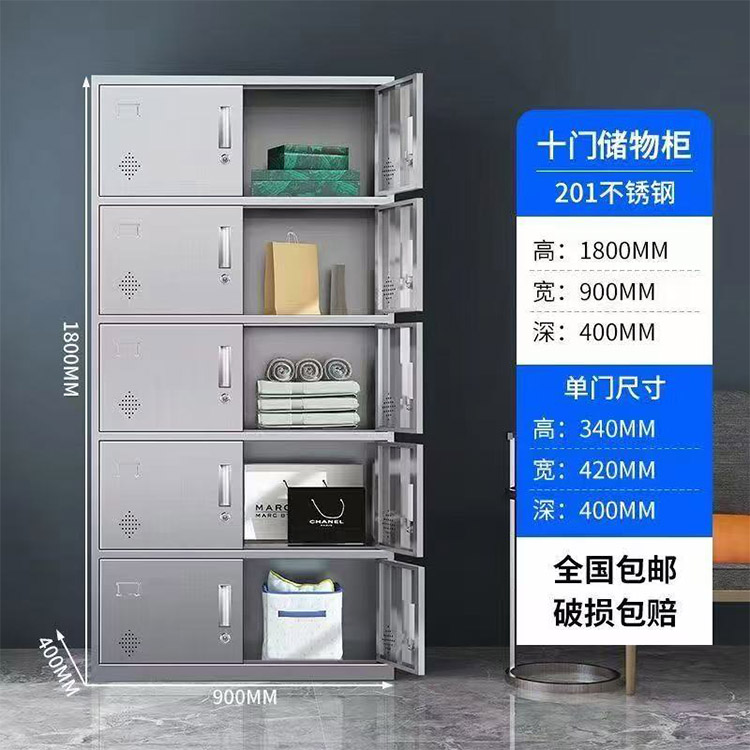 Ten-door storage cabinet
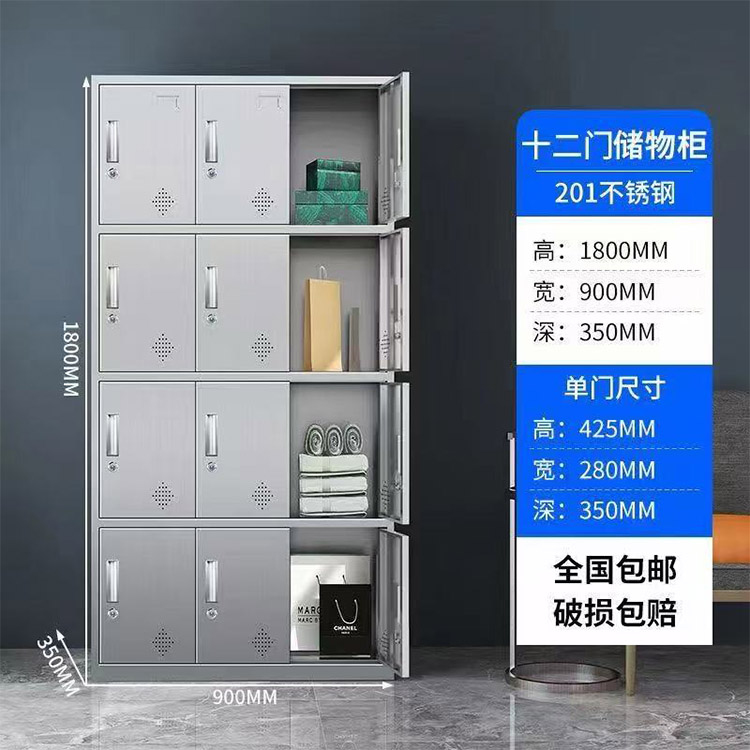 Twelve storage cabinets
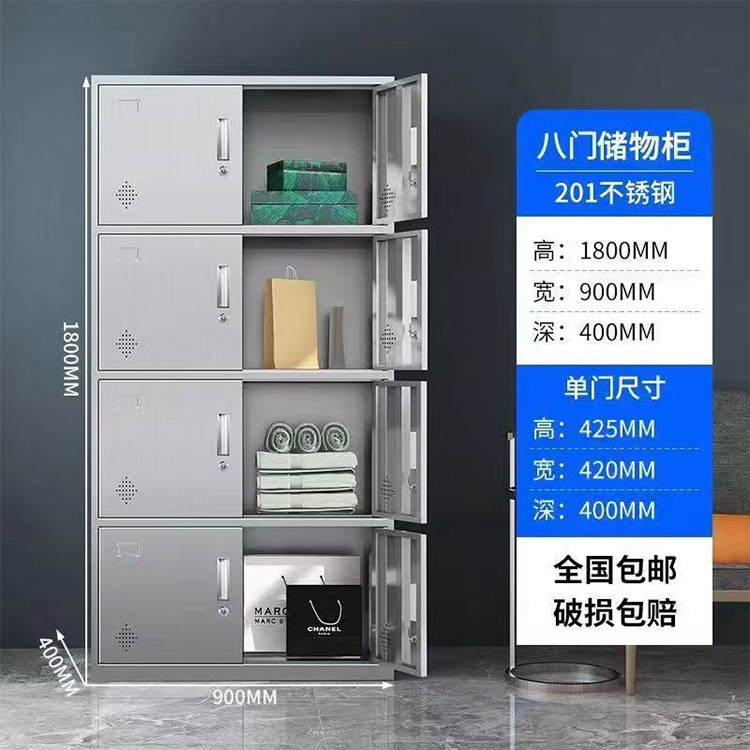 Eight storage cabinets
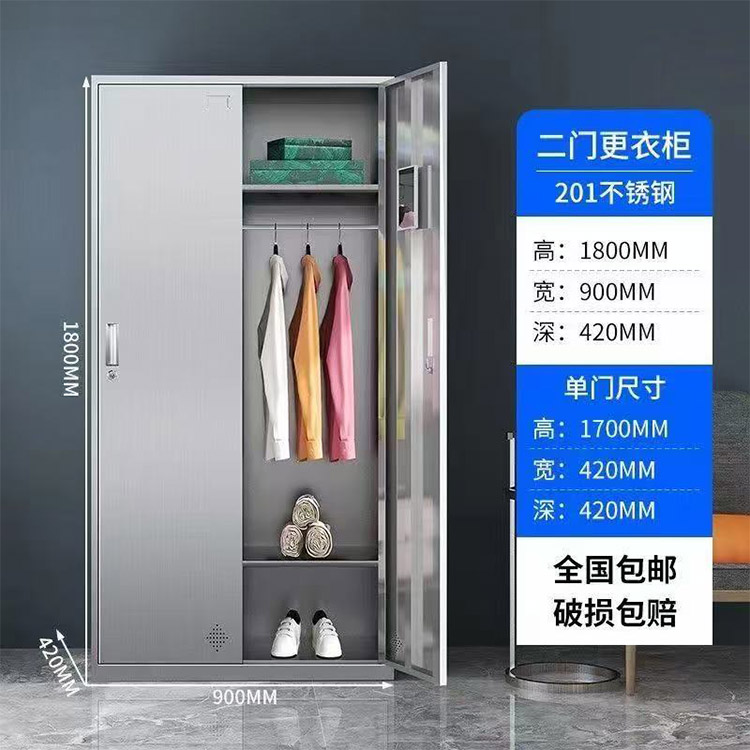 Double-door locker cabinet
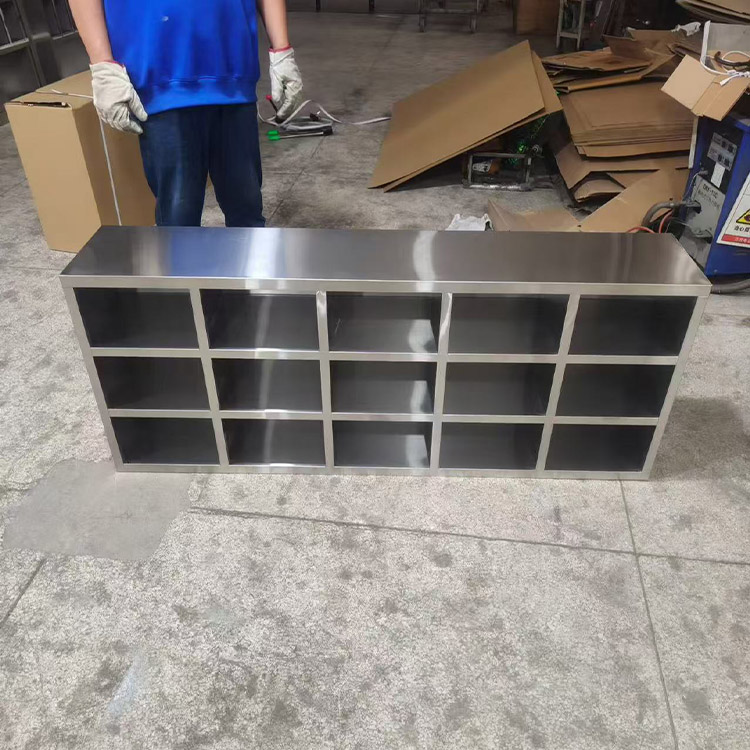
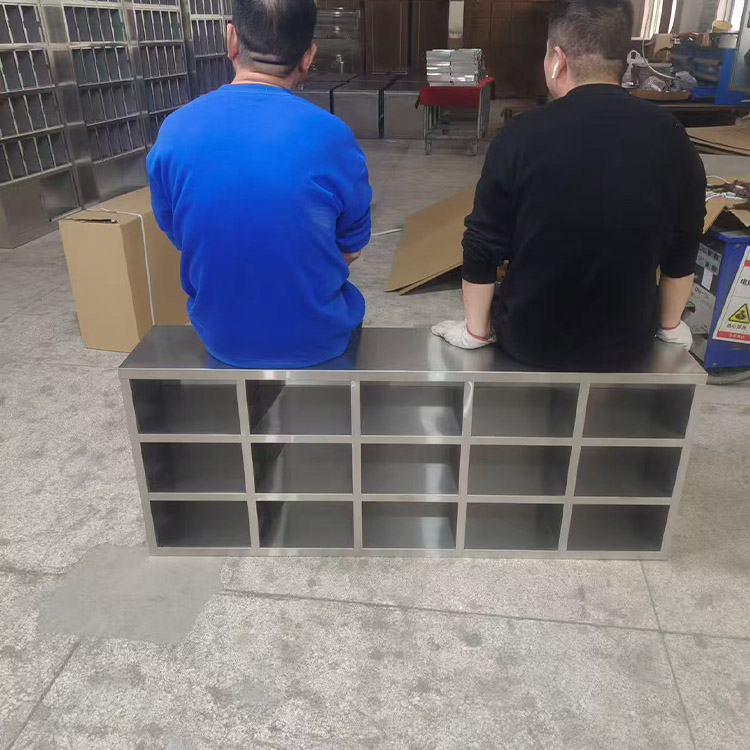
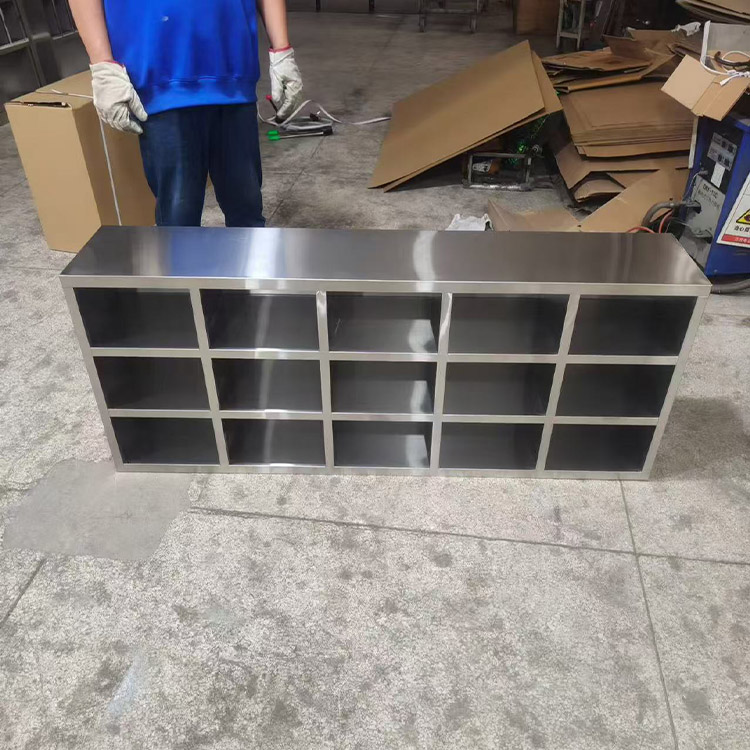
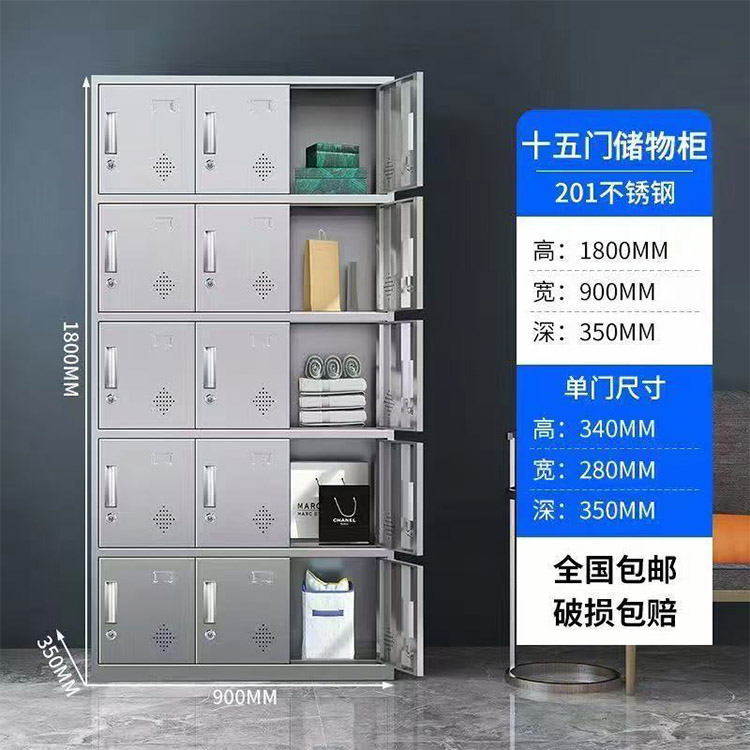 Fifteen storage cabinets
 Four-door lockers
Product Details

File cabinets, lockers, phone cabinets, medicine cabinets, confidential cabinets, office desks, employee workstations, study desks, and other office and study equipment.

产品Price Negotiable
最小起订Quantity: 供货总Quantity: 10000 Piece
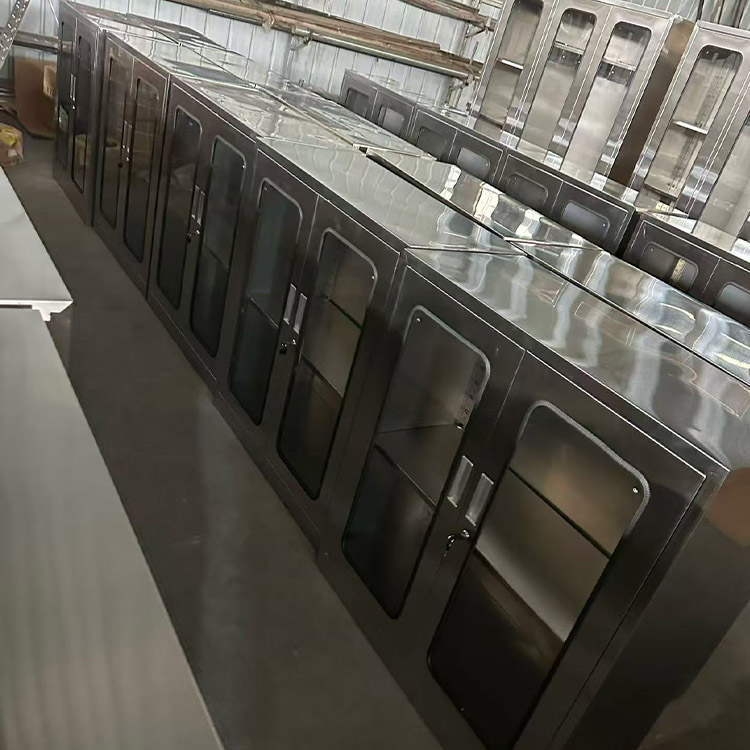
Stainless steel fire cabinets are essential facilities for storing, protecting, and organizing various fire equipment and supplies. Due to their material properties, they are the preferred choice for ensuring fire safety in modern buildings, factories, and public places. Section 1: Core Advantages: Why Choose Stainless Steel? Durability and long lifespan Manufactured from high-quality stainless steel (typically 304 stainless steel), it boasts exceptional strength and hardness, capable of withstanding daily impacts, scratches, and shock in emergencies without bending or damage. Its lifespan far exceeds that of standard steel or wooden cabinets. Superior rust and corrosion resistance One of the most critical advantages of stainless steel is its ability to effectively resist moisture, chemical corrosion, and long-term outdoor weathering. Whether it's a damp basement, a chemical factory building, or an outdoor environment, it maintains structural integrity and cleanliness, preventing any degradation due to rust from affecting its use. High strength and exceptional load-bearing capacity Firefighting equipment such as fire extinguishers, fire axes, and respirators is typically quite heavy. Our stainless steel fire cabinets are robustly constructed, especially reinforced in critical load-bearing areas, ensuring they can safely and stably support these heavy-duty items, guaranteeing absolute reliability. Easily cleanable and maintainable Smooth surface, non-porous, and non-penetrable. Daily maintenance is simple; just wipe with a damp cloth to remove dust and stains, and effectively prevent oil residue. Also easy for quick cleanup after emergencies, keeping it tidy. Aesthetic and professional appearance The metallic texture imparts a modern, professional, and clean visual appeal. Its sleek design integrates seamlessly into various architectural settings, while the prominent signage clearly indicates the location of fire equipment. Fire-resistant and environmentally friendly Stainless steel is a non-combustible material, meeting the highest safety standards for fire equipment storage. Additionally, stainless steel can be recycled 100%, making it an environmentally friendly choice. Section II: Main Types and Functions Based on the storage equipment used, there are several common types of stainless steel fire cabinets available: Extinguisher Cabinet: This is the most common type, designed to house one or more portable fire extinguishers. Typically equipped with a transparent window or openings for easy verification of the extinguisher's pressure status and quick access. Some models also feature a device for easily breaking the glass. Fire Hydrant Cabinet: Also known as a fire hydrant box, typically installed flush in a wall or hung on the wall. It is internally equipped with fire hoses, nozzles, and valve connections. The exterior features a glass door, prominently displaying the "Fire Hydrant" sign. In an emergency, the glass can be broken or the door can be opened directly to access the equipment. Multi-functional Fire Emergency Cabinet: This cabinet offers a more comprehensive set of features, with multiple compartments and hanging racks inside for centralized storage of various fire fighting equipment such as fire axes, fire hoses, emergency lights, gas masks (respirators), first-aid kits, and more. It aids in consolidating emergency resources in one place for unified management. Special Storage Cabinet: Designed for storing specific equipment, such as a dedicated bracket cabinet for positive pressure air breathing apparatus (SCBA), ensuring the gas cylinder is securely upright for easy and quick donning. III. Key Selection and Installation Considerations When selecting and configuring stainless steel fire cabinets, pay close attention to the following points: Material and Craftsmanship: Ensure the cabinet is made of 304-grade or higher stainless steel. Check the thickness of the sheets, the evenness and strength of the welds, and whether the edges are polished to prevent cuts. These details directly affect the cabinet's long-term durability and safety. Locks and Access Methods: Choose based on security and management requirements. Common options include standard locks, glass door designs (requiring a smash hammer), or automatic sensor doors (for high-end venues). The core principle is: while preventing malicious destruction and misuse, it must also ensure that doors can be quickly opened in emergencies. Dimensions and Capacity: Select an appropriate cabinet size based on the planned number and dimensions of the equipment to be stored. Ensure that the internal space is sufficient, that the equipment will not collide with each other upon placement, and that the access routes are clear. Labeling and Transparency: The cabinet should have clear and prominent "Fire Extinguisher" labeling and instructions. A window design allows for checking the completeness and condition of the internal equipment without opening the cabinet door, which is crucial for routine inspections. Installation Location and Mounting: Must be installed in a prominent, accessible location that is not obstructed. The installation must be extremely secure, ensuring that in emergency situations, neither wall-mounted nor freestanding units will sway and hinder access to the equipment. Compliance: Ensure the selected products meet national and local fire safety regulations and standards. In summary, the stainless steel fire cabinet is not just a simple container; it is a crucial component of the entire fire safety system. With its sturdy and durable characteristics, it ensures that fire equipment is properly protected in everyday use and can be reliably utilized in critical moments, serving as a "solid support" for safeguarding life and property safety.