
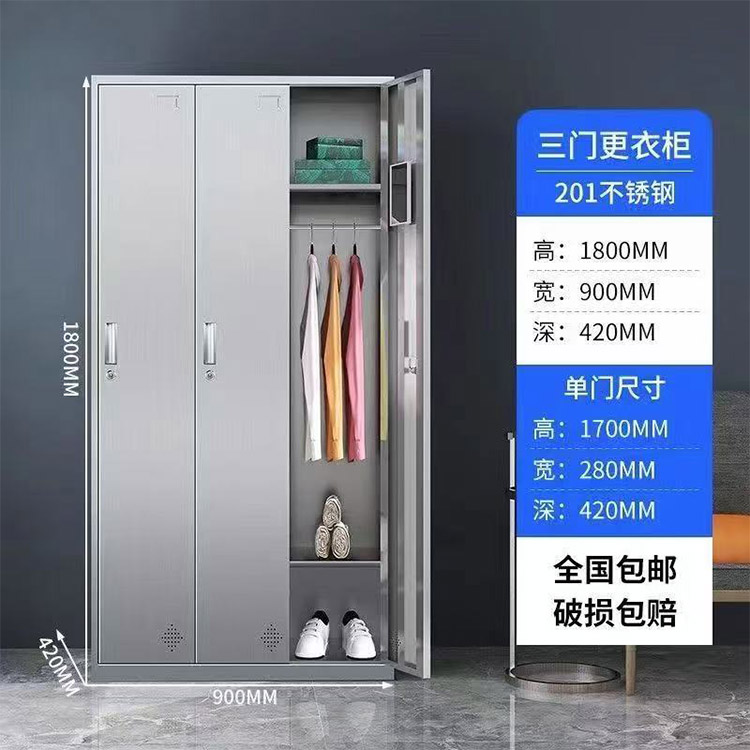
 Three-door lockable wardrobe
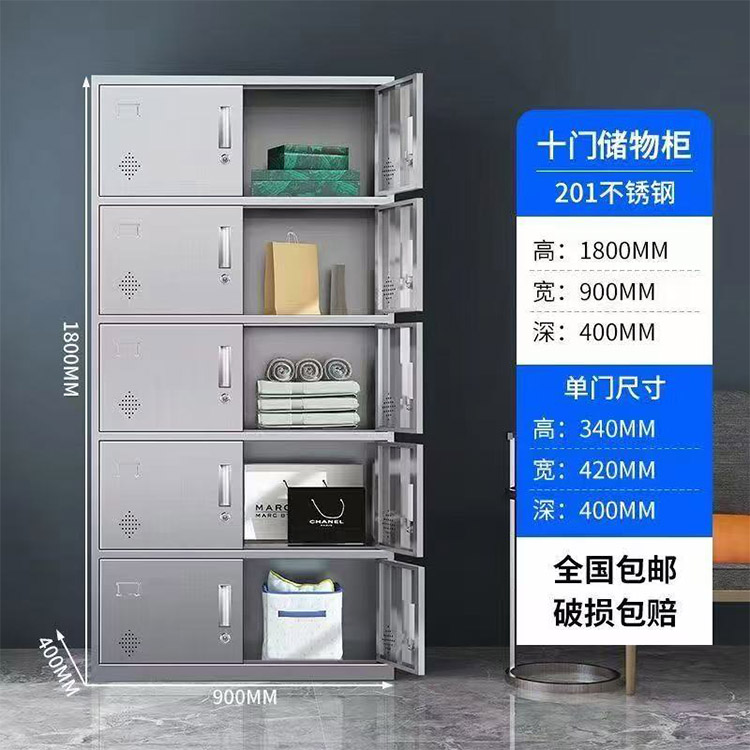 Ten-door storage cabinet
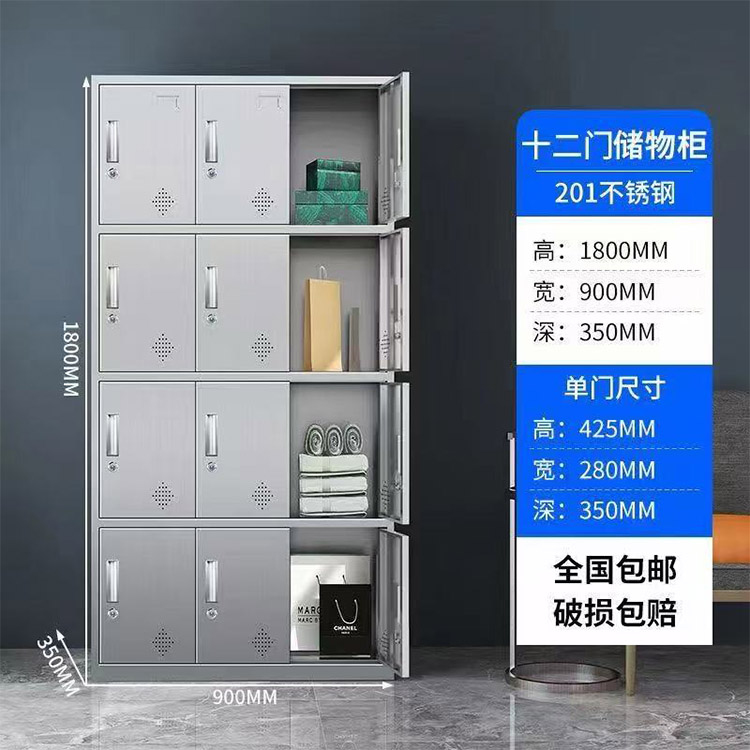 Twelve storage cabinets
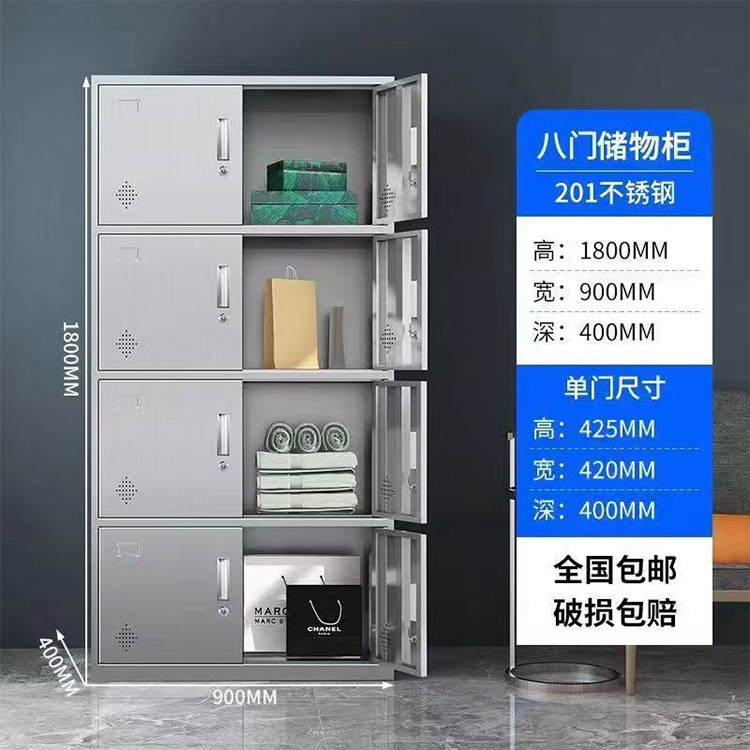 Eight storage cabinets
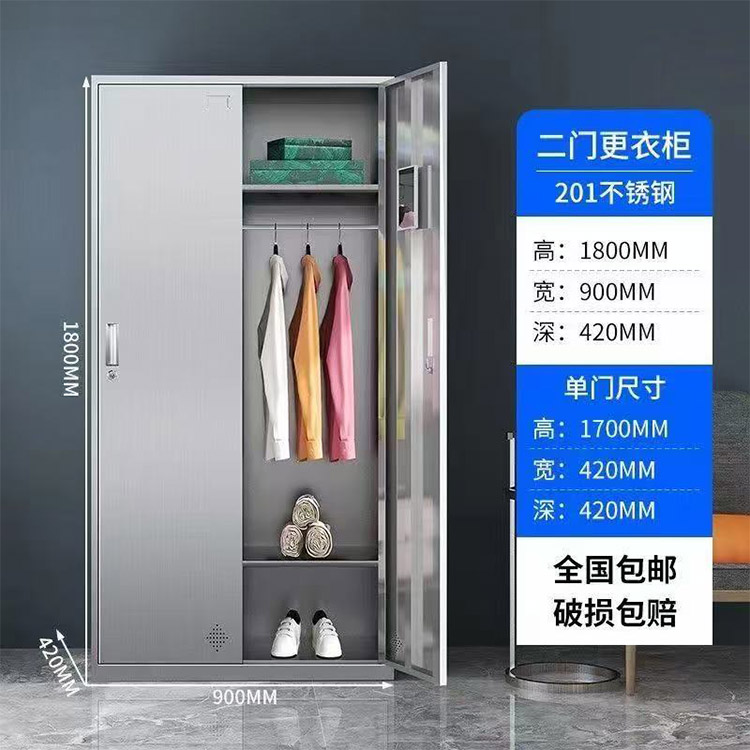 Double-door locker cabinet
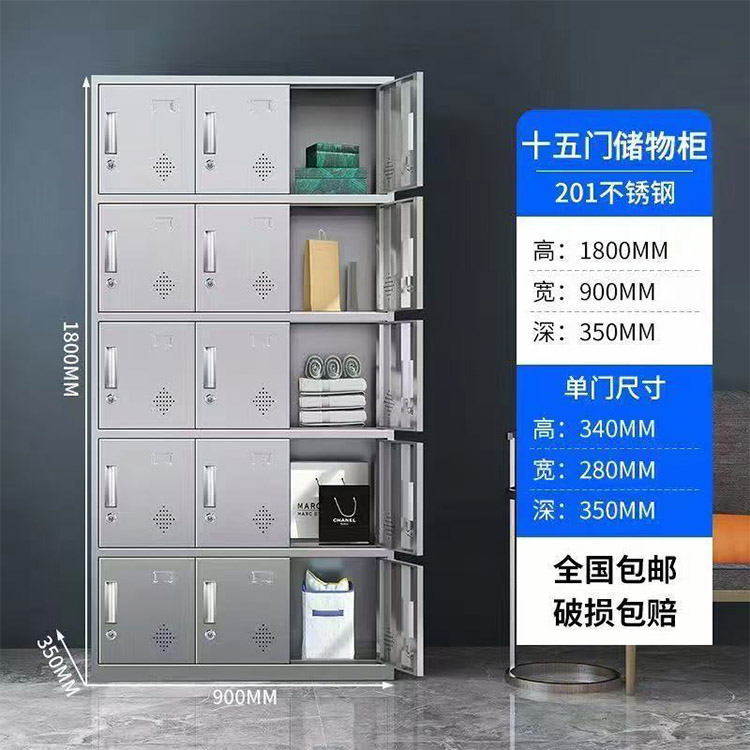 Fifteen storage cabinets
 Four-door lockers
Product Details

File cabinets, lockers, phone cabinets, medicine cabinets, confidential cabinets, office desks, employee workstations, study desks, and other office and study equipment.


产品Price Negotiable
最小起订Quantity: 供货总Quantity: 10000 Unit
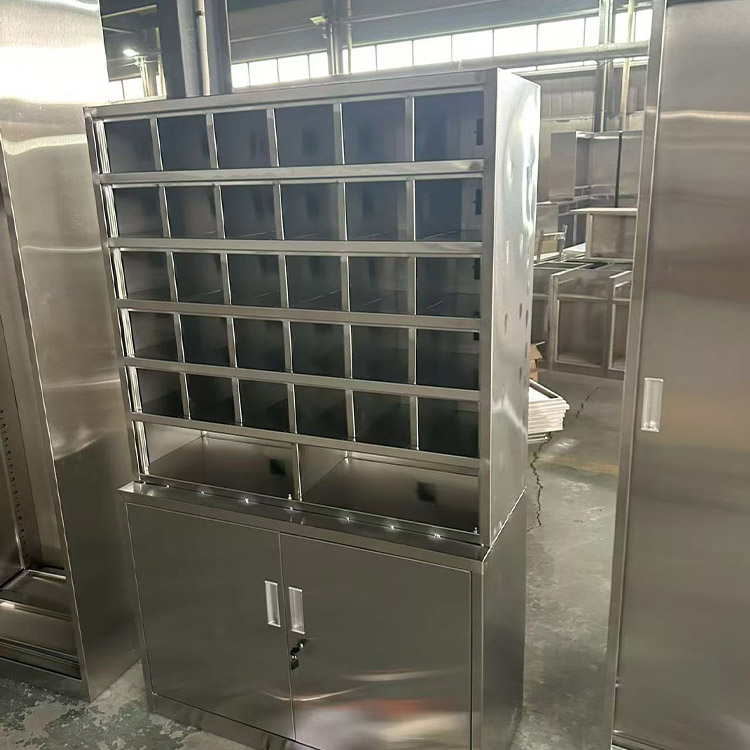
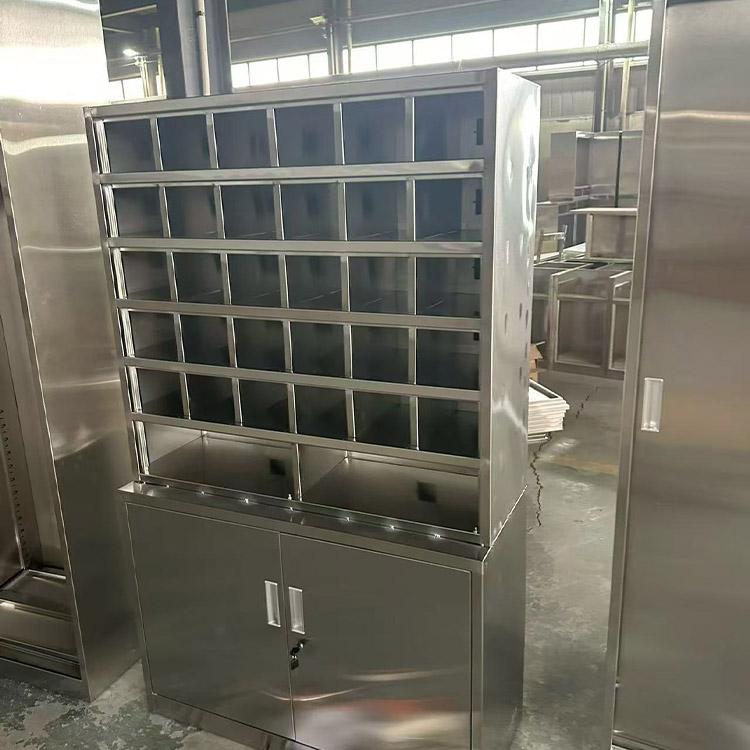
Laboratory Storage Bench, also known as a lab storage cabinet or reagent shelf, is an indispensable infrastructure in a laboratory. It's not just a simple "shelf"; it's a specialized storage and operation platform designed to meet the complex and stringent demands of a lab. Its core value lies in providing a safe, orderly, stable, and durable home for chemicals, instruments, and equipment. I. Key Features and Advantages Durability and stability Durable Material: High-quality laboratory storage tables are typically made of thick cold-rolled steel or high-grade stainless steel (such as 304 or 316L), offering exceptional structural strength and load-bearing capacity, ensuring safe storage for heavy equipment and a large number of glassware. Stable Structure: Precision welding and reinforcement techniques ensure overall stability without any晃动 sensation, even during frequent access or heavy load handling. Excellent corrosion and chemical resistance These are the key specifications for laboratory furniture. The countertops and cabinets have been treated with special surface finishes, such as epoxy powder coating or solid chemical board, which effectively resist splashes and corrosion from common chemicals like acids, bases, and solvents, thus extending their service life. The storage shelf made of stainless steel inherently possesses excellent corrosion resistance, particularly suitable for high-purity or humid environments. Easy to clean and maintain Smooth surface, non-porous, and non-absorbent. Spills of chemicals or dust can be easily wiped clean with a damp cloth or neutral cleaning agent, preventing residue and cross-contamination. Flexibility and safety in functional design Modular Design: Many storage units are designed with a modular concept, allowing for the flexible combination of shelves, drawers, and cabinet doors to accommodate various sizes of items. Safety Design: Corners are typically rounded to prevent collisions and injuries. Designs with doors or locks can effectively secure hazardous chemicals or valuable items, preventing unauthorized access. Ventilation Options: For volatile chemicals or items requiring odor dispersal, choose an intelligent storage unit with ventilation holes or direct connection to a ventilation system to ensure laboratory air quality.