





详情描述
Cable recycling refers to the process of reclaiming and reusing discarded cables. This includes types such as power cables, communication cables, and data cables. These discarded cables contain large amounts of metal materials, like copper, aluminum, and steel, which can be recycled to reduce resource waste and environmental pollution. The cable recycling process involves collection, disassembly, separation, and processing, with disassembly and separation being critical steps requiring specific equipment and technology. The cable recycling industry has become a vast industrial chain, involving areas such as waste material recycling, metal processing, and environmental protection.
Cable recycling refers to the process of reusing or recycling discarded cables. Waste cables usually contain materials such as copper wire, aluminum wire, steel wire, and plastic, which, upon recycling, can save resources, reduce environmental pollution, and yield certain economic benefits. Cable recycling can be carried out through manual disassembly, mechanical disassembly, and thermal treatment, among other methods. During the recycling process, safety precautions must be taken to avoid harm to the environment and human health.

The cable recycling process generally includes the following steps:
1. Gather Scrap Cables: Collect scrap cables through recycling stations, scrap dealers, and waste collection points.
2. Categorize Processing: Sort cables by type and material for subsequent recycling and reuse.
3. Stripping: The separation of the metal and plastic materials from the cable, usually done through mechanical or manual stripping methods.
4. Crushing: Crush the metal and plastic materials after the cable has been stripped, for subsequent processing and utilization.
5. Reuse: Process and recycle the collected metals and plastics, then use them to produce new products such as cables, utility poles, and cable trays.
The benefits of cable recycling include reducing resource waste and environmental pollution, while also bringing economic benefits to businesses and individuals.
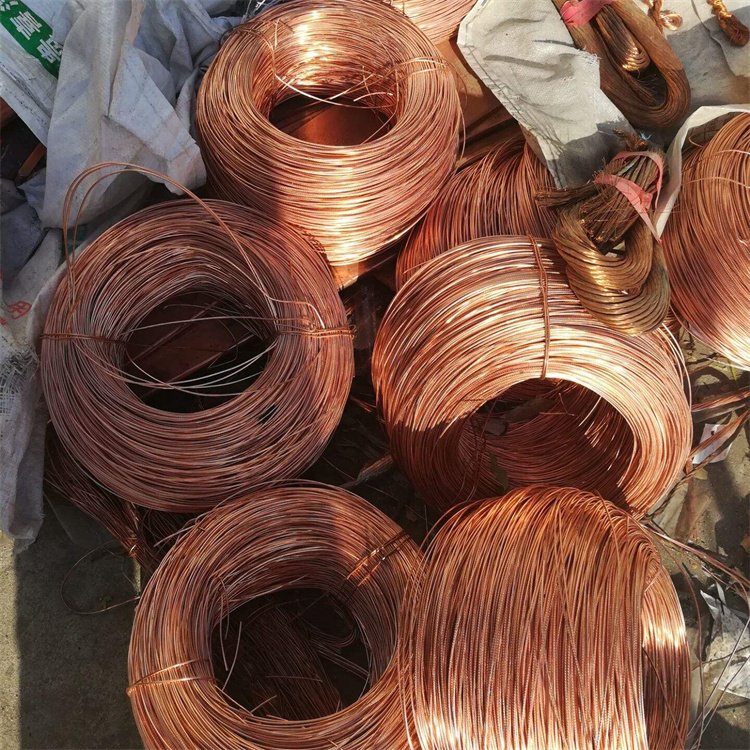
Cable recycling refers to the process of collecting, dismantling, separating, and reusing discarded cables. Discarded cables include those that have been phased out or are no longer in use, such as power cables, communication cables, and control cables. Cable recycling can effectively reduce waste generation, conserve resources, and decrease environmental pollution. The recycled cables can be sorted, dismantled, and separated to obtain metals like copper and aluminum, which can then be reused for manufacturing new cables, metal products, and more.
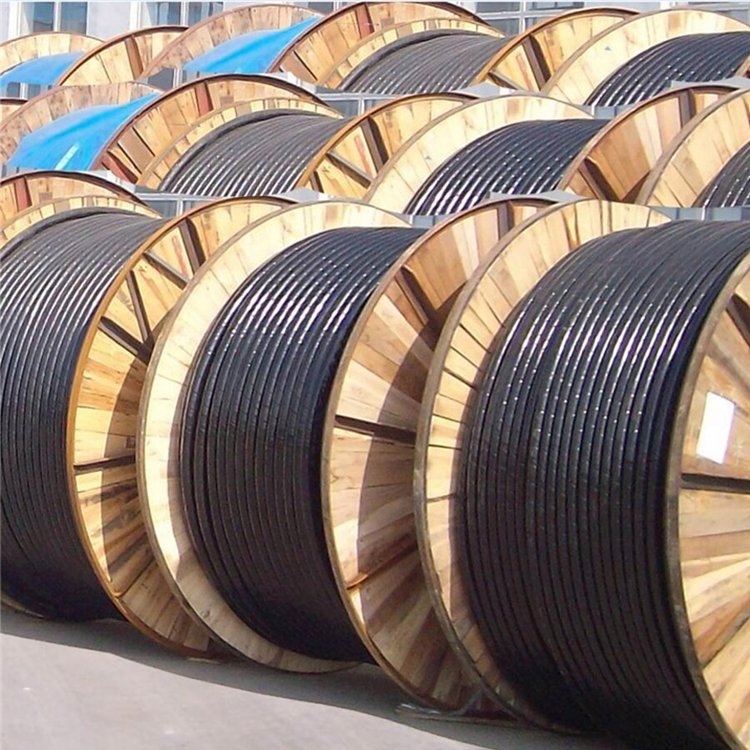
Cable recycling refers to the process of collecting, sorting, dismantling, and reusing废旧cable. 废旧cable includes cables that have lost their serviceability, such as power cables, communication cables, and control cables. Cable recycling effectively reduces the environmental pollution caused by废旧cable, while also conserving resources and lowering production costs. The recycling process involves multiple steps like sorting, dismantling, separating, and regenerating, including metal, plastic, and rubber recycling. Cable recycling is an environmentally friendly and sustainable industry that has become a key development direction for many.
Our company adheres to the principles of quality first and customer first, winning customer satisfaction with high-quality products and enthusiastic service. The company is willing to join hands with new and old customers to achieve mutual benefits and create a brighter future together!


