





详情描述
Cable recycling refers to the process of collecting, dismantling, separating, and processing obsolete cables to convert them into recycled resources. Obsolete cables contain materials such as copper, aluminum, and plastic, which can be reused after recycling, reducing resource waste and lowering environmental pollution. The cable recycling industry is also an eco-friendly sector, playing a significant role in promoting circular economy and energy conservation.
Cable recycling refers to the process of collecting, sorting, dismantling, and reusing obsolete cables. Obsolete cables are those that have lost their service value, including power cables, communication cables, and control cables. Cable recycling can effectively reduce the environmental pollution caused by obsolete cables, while also conserving resources and lowering production costs. The cable recycling process involves multiple steps such as sorting, dismantling, separating, and regeneration, including metal recycling, plastic recycling, and rubber recycling. Cable recycling is an environmentally friendly and sustainable industry that has become a key development direction for many.
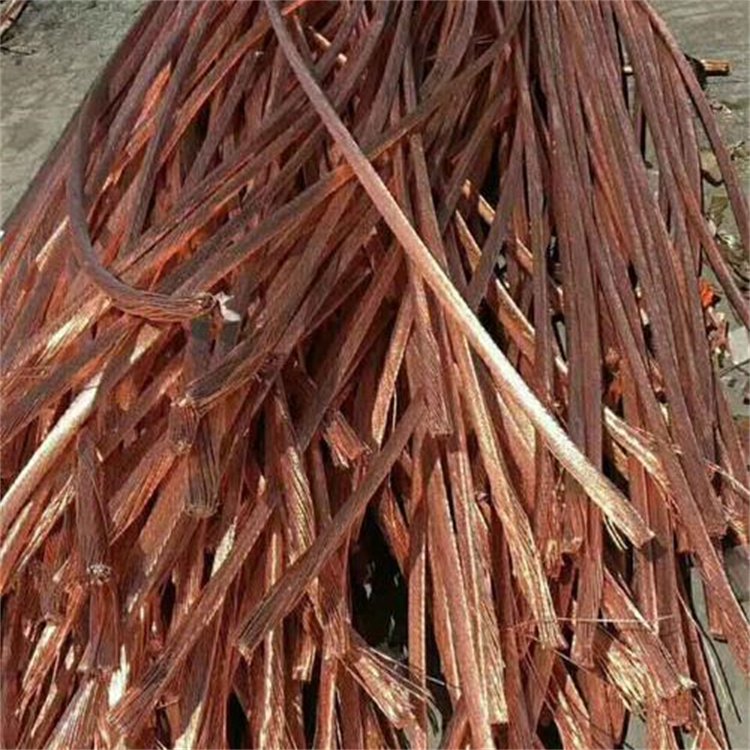
Cable recycling refers to the process of reusing or recycling discarded cables. These cables commonly contain materials such as copper wire, aluminum wire, steel wire, and plastic. Through recycling, resources can be conserved, environmental pollution reduced, and a certain economic benefit gained. Cable recycling can be carried out through manual disassembly, mechanical disassembly, or thermal treatment. During the recycling process, safety precautions must be taken to avoid harm to the environment and people.
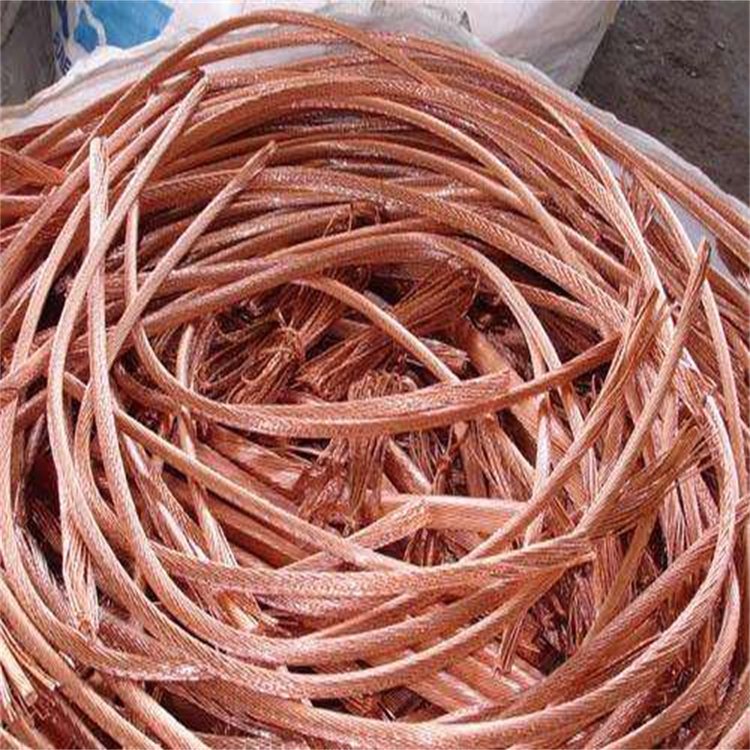
Cable recycling involves the collection, disassembly, separation, and reuse of obsolete cables. Obsolete cables refer to cables that have been retired or are no longer in use, including power cables, communication cables, and control cables. Cable recycling effectively reduces waste generation, conserves resources, and mitigates environmental pollution. Recycled cables can be categorized, disassembled, and separated to obtain metals like copper and aluminum, which can then be reprocessed and utilized, such as for manufacturing new cables or metal products.
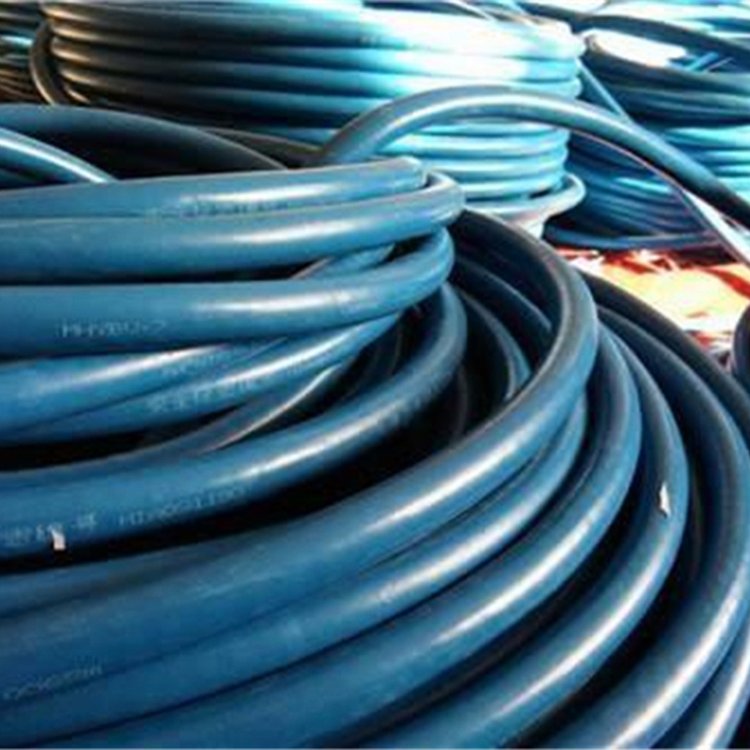
The cable recycling process typically includes the following steps:
1. Collect废旧cables: Gather废旧cables through recycling stations, scrap dealers, and waste collection points.
2. Categorize Handling: Classify cables based on type and material for subsequent recycling and reuse.
3. Stripping: The separation of metal and plastic materials from the cable, typically done through mechanical or manual stripping methods.
4. Shredding: Shred the metal and plastic materials after the cable is stripped to facilitate subsequent processing and utilization.
5. Reuse: Process and recycle the collected metals and plastics, and reuse them in the production of new products such as cables, utility poles, and cable trays.
The benefits of cable recycling include reducing resource waste and environmental pollution, while also bringing economic benefits to businesses and individuals.
Our company's stable product quality, reliable reputation, and comprehensive services have earned praise from the majority of our users. We are eager to welcome both new and old customers with our superior products, passionate enthusiasm, and sincere service. Look forward to a win-win cooperation!


