



I. Technical Features of Composite Grey Board
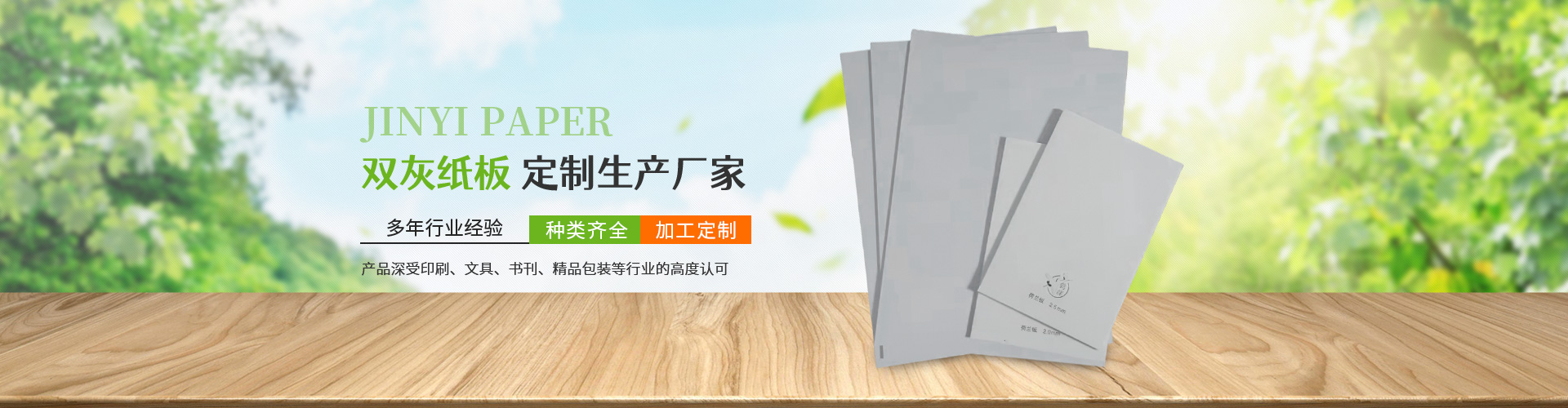
Composite gray board, as the name implies, is a type of gray cardboard made from a variety of materials. It is typically made with recycled pulp as the primary raw material, combined with good materials such as waterproofing agents and moisture-proof agents, and processed through special technology. This composite structure endows the gray board with superior performance:
Environmental friendliness: The primary raw material for composite gray board is recycled pulp, reducing dependence on tree resources. Additionally, strict control over pollution emissions is maintained during the production process, in compliance with environmental standards.
High Strength: Through reasonable material proportioning and process treatment, the composite gray board boasts high hardness and rigidity, capable of withstanding substantial pressure and impact.
Moisture and Water-Resistant: The addition of waterproofing and moisture-proof agents gives the composite gray board excellent moisture and water-resistant properties, suitable for various complex environments.
Easily Processable: The composite gray board features a smooth and flat surface, making it easy for printing, cutting, folding, and other processing, catering to diverse packaging requirements.
Market Applications
As consumer demands for product quality and environmental sustainability rise, the application of composite gray board in the packaging industry is expanding. It is not only used for making exquisite packaging like gift boxes, wine boxes, and cosmetic boxes but also for high-strength and moisture-proof packaging in logistics and electronic products. Additionally, composite gray board is favored by environmental organizations and companies due to its recyclable and reusable properties.
III. Future Development Trends
As technology continues to advance and markets expand, the prospects for composite gray boards will become even broader. In the future, composite gray boards are expected to achieve breakthroughs in several aspects:
Technological Innovation: By continuously developing new materials and processes, we enhance the performance and quality of composite gray boards, catering to a more diverse range of market demands.
Green Production: Strengthen environmental control during the production process, reduce pollution emissions and resource waste, and promote the green development of the packaging industry.
Introducing Smart Manufacturing: Enhancing production efficiency and product quality consistency while reducing production and labor costs.
Cross-industry Collaboration: Engaging in cross-industry partnerships and innovative integration to develop more innovative and practical composite grayboard products.
In summary, as an innovative packaging material, composite gray board is leading the revolution in the packaging industry with its superior performance and environmental-friendly characteristics. Looking ahead, with the continuous advancement of technology and the expansion of the market, composite gray board is poised to be widely applied and promoted in more fields.
