

1. Suitable for the production and processing of various types of small-volume plastic products.
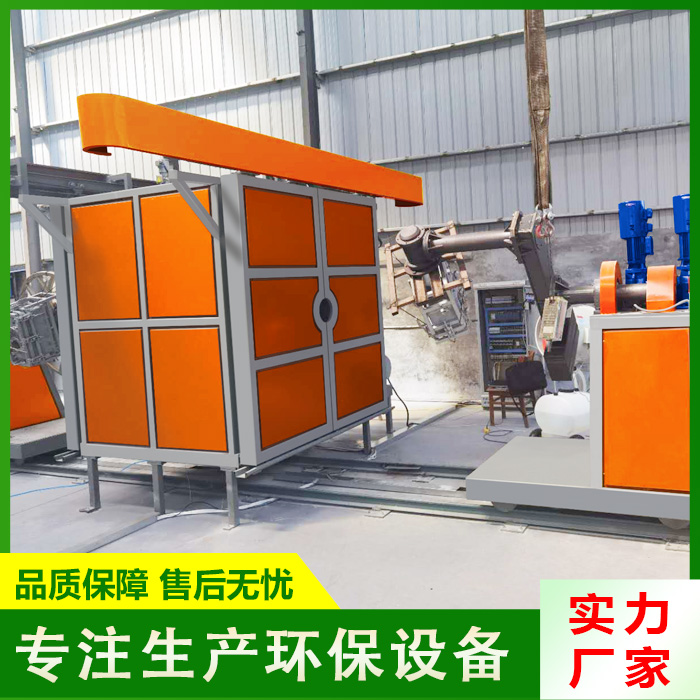
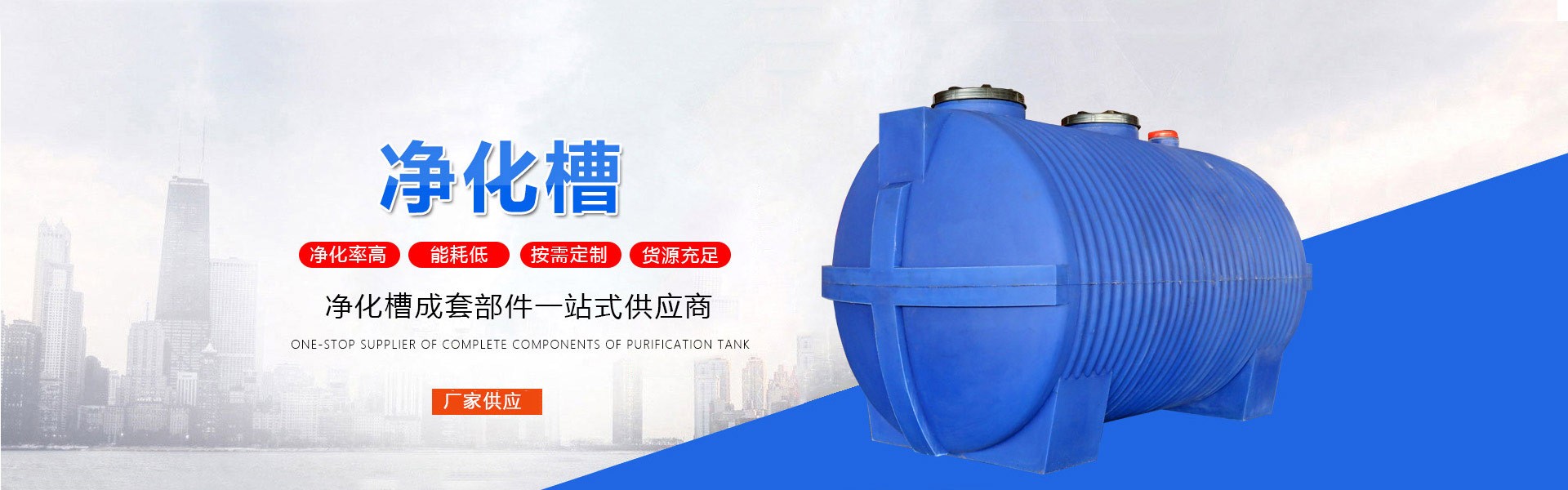
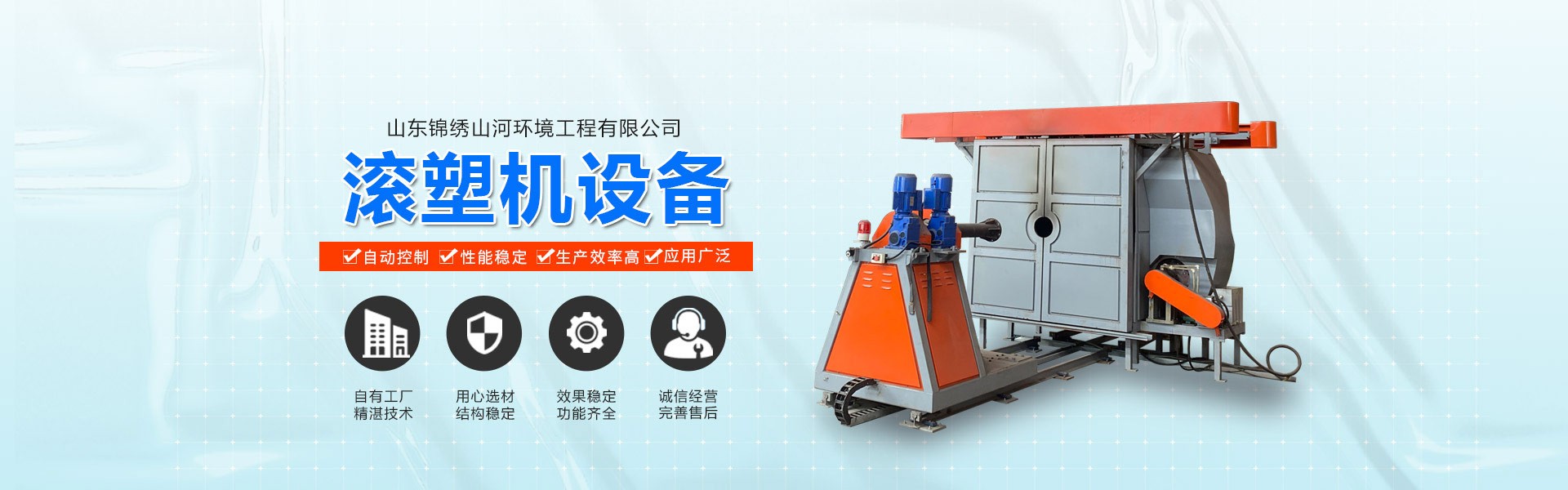
Because rotational molding molds are not subjected to external forces, they are simple, cost-effective, and easy to manufacture. In addition, rotational molding equipment also offers great versatility. A single rotational molding machine can accommodate either one large mold or multiple small molds. It is not only capable of molding products of different sizes but also can simultaneously form products with varying sizes and shapes, as long asRotomolded ProductsThe same raw materials are used, with comparable product thicknesses, and both can be formed simultaneously through rotational molding. Consequently, the rotational molding process offers greater flexibility compared to other forming methods.
2. Save on raw materials.
Rotomolded products feature uniform wall thickness and slightly thicker corners, maximizing material efficiency and contributing to material savings. Additionally, during the rotomolding process, there are no runners or gates, resulting in minimal waste. With proper adjustment, the production process almost eliminates the need for regrind, thus significantly increasing the material utilization rate for this technique.
3. Suitable for hollow components with complex high-temperature forming shapes.
During the rotational molding process, materials are slowly coated and deposited onto the inner surface of the mold. The product possesses a strong ability to replicate fine structures such as patterns on the mold cavity. Moreover, as the mold is not subject to external pressure during the forming process, it can be directly used to produce molds with intricate shapes and fine structures through methods like precision casting.