



Structural steel construction requires attention to numerous aspects, from design to material selection, manufacturing and processing, on-site installation, connection and fastening, corrosion and fire prevention, as well as quality inspections. Strict control and management are essential for each stage to ensure the overall quality and safety of the project.
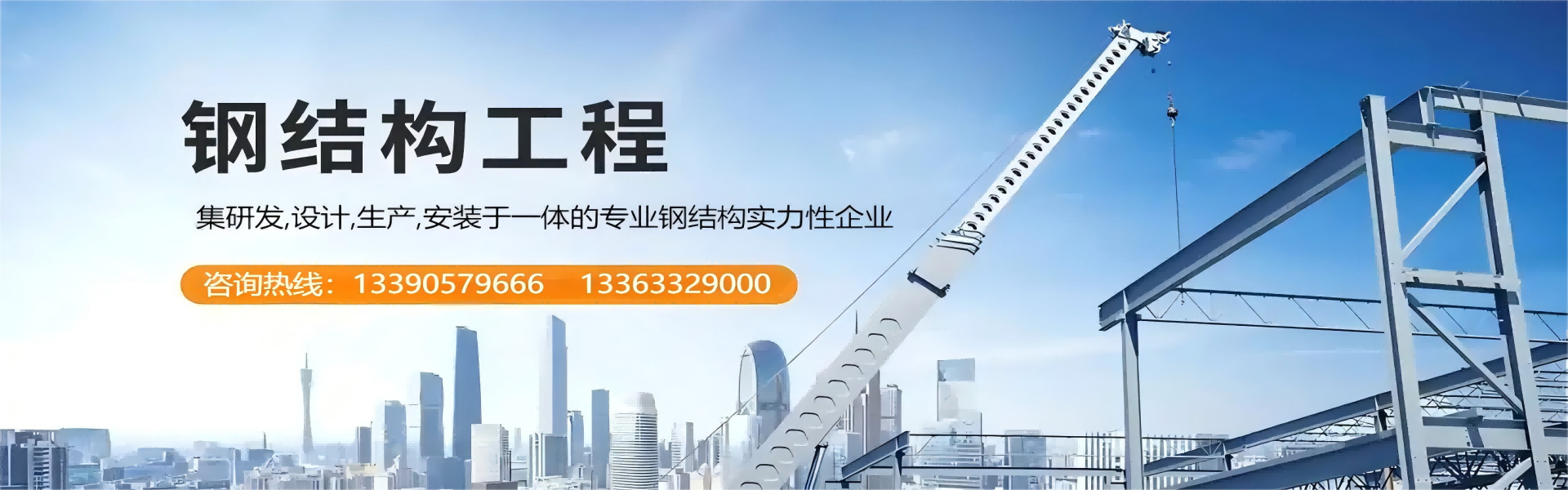
When using a mobile crane to lift components, it is necessary to determine the crane's route into and out of the site, as well as the required working height, boom length, and radius for the operation.
2. Cranes should be set up on level and solid ground. If the site conditions do not meet the setup requirements, measures such as using sleepers or roadbed boxes should be adopted according to the on-site situation.
The crane has been erected. It is essential to check the stability of the legs. If the legs cannot fully extend, calculate the overall stability based on the actual extension amount to determine the lifting capacity and prevent instability-related accidents.
Prior to operation, an empty-load test run should be conducted to ensure the engine is functioning properly, and that the clutch, brakes, and all safety devices are responsive and reliable before proceeding with work.
When lifting objects, ensure components are securely tied and the lifting point is properly selected.
6. In the event of equipment failure causing an interruption during the hoisting process, necessary measures must be taken to address the issue, ensuring that components are not left suspended in the air for an extended period.
7. When using other hoisting methods, the use of hoisting equipment such as ropes, pulleys, and steel cables must comply with the provisions of GB6067 "Safety Code for Cranes."
8. Steel structure installation personnel must properly wear safety harnesses and use safety equipment and tools for high-altitude work, and should be inspected by a designated person.
During steel structure hoisting, there should be a dedicated person to direct the crane operation. The director must be positioned where the crane operator can see clearly, enabling them to oversee the entire hoisting process. The director's hand signals must be precise and distinct, with a clear, loud whistle. The crane operator must comply with the directions and must not leave their post without permission.
10. During the construction of steel structure projects, immediate corrective and stabilization measures should be taken for large structures such as steel columns, main beams, and supports in the event of severe weather like strong winds, to prevent safety hazards; hoisting operations are prohibited when wind speeds exceed 6 levels.
