
Potatoes are a well-known vegetable in our households, and their cultivation area has been increasing year by year. Many people are unaware of the cultivation and management techniques for potatoes, which lead to low yields. In fact, potatoes thrive during the cooler months of February to March. Quality planting land and scientific sowing methods are indispensable, as well as scientific management techniques to achieve high potato yields.
Cultivation Methods for Potatoes
Planting Time
Planting times vary greatly by region. In the north and northwest areas, potatoes are typically planted in spring and harvested in autumn, with only one crop per year. In the central and southern regions of the plains, spring potatoes are planted in February and March, harvested from June to July, and autumn potatoes are planted in August, harvested around November. In southern regions, seeds are sown in October and November, with harvests in February and March of the following year.
2. Planting Site
Potatoes have a strong adaptability to soil, but for high yields, it's best to plant them in relatively flat terrain with thick soil layers and fertile land. Ideally, choose a plot that was previously used for crops like chili peppers, tomatoes, and eggplants, as this can help reduce and prevent the occurrence of pests and diseases.
3. Seed Sowing Techniques
Before planting, soak the potatoes in Gibberellic Acid 902 one or two days prior, then cut them according to the eye of the sprout and initiate sprouting. They are ready for planting two days later. Since the formation and swelling of potatoes need to occur at low temperatures, it's crucial to plant them earlier in the appropriate season and avoid the hot period. When planting, the soil depth must be no less than 12 centimeters; otherwise, the ground temperature fluctuations will be too extreme, causing seeds to easily pop out of the soil.
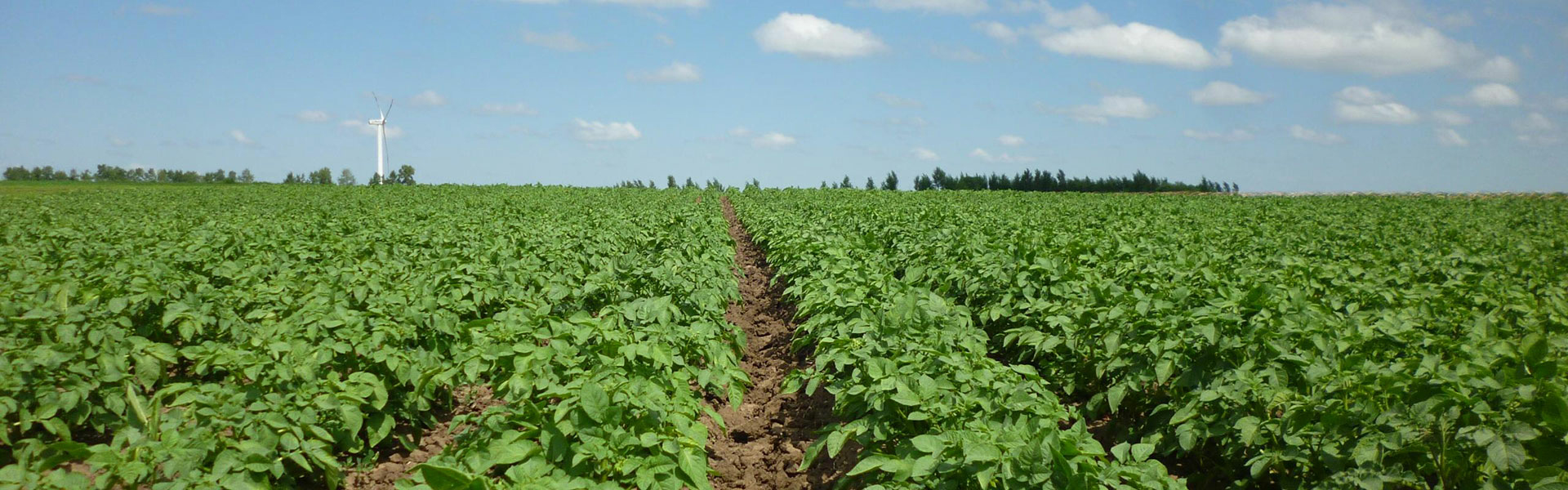
To achieve high yields in potato cultivation, proper planting density is crucial. On fertile land, we can plant more sparsely, whereas on less fertile soil, we must plant densely. For larger potatoes, plant sparsely, and for smaller ones, densely. Adjusting the planting density can be based on local climate, soil, variety, and other factors.
II. Potato Management Practices
1. Water Management
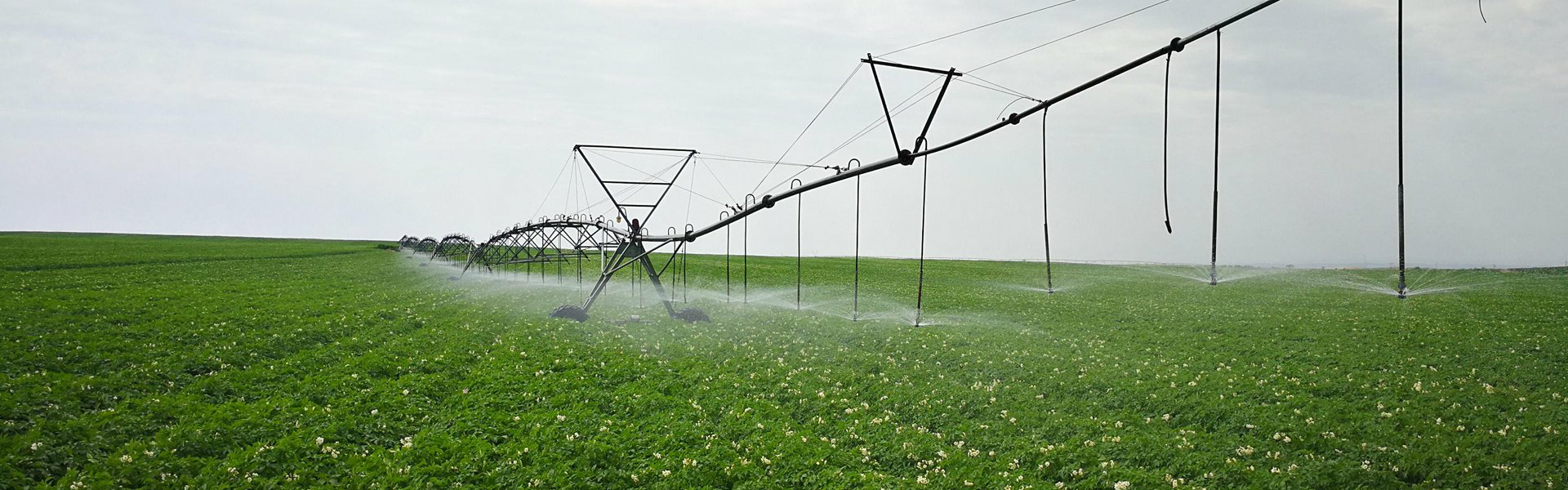
Basic potato cultivation and management techniques always begin with watering. It is generally not advisable to water potatoes before they bloom, unless in extremely dry conditions, when a small amount of water may be applied. Starting to water during the initial flowering stage, the tubers grow rapidly during this period and require more water. From another perspective, some of the components needed for potato growth must be dissolved in water to be absorbed. Insufficient water prevents the absorption and utilization of these nutrients.
Ensuring adequate moisture, potatoes will grow rapidly, which can deplete their nutrients prematurely, leading to low yields. Therefore, when the potato plants reach about 50 cm, a suitable application of 15% wettable mecoprop powder should be applied. After four days of applying the drug, water the potatoes to control their growth. Around ten days before harvesting, stop watering to enhance the quality of the potatoes.
2. Seedling Management
After about 20 days of planting potatoes, some seedlings will emerge from the soil. At this point, the film should be pierced to prevent the seedlings from being scorched by steam. Once the seedlings reach about 10 centimeters, the film next to them should be secured with something to prevent water pressure from damaging the grass.
3. Proper Fertilization
During fertilization, farmers can apply organic fertilizer to potatoes, or even add appropriate amounts of nitrogen, phosphorus, and potassium. Potatoes prefer ammonium nitrogen, especially with a high demand for potassium. Reasonably increasing potassium sulfate can significantly boost potato yields.
In summary, after reading the above article, you should now have a clear understanding of the conditions and management methods required for potato cultivation. We hope everyone can grow high-quality, high-yield potatoes!
