


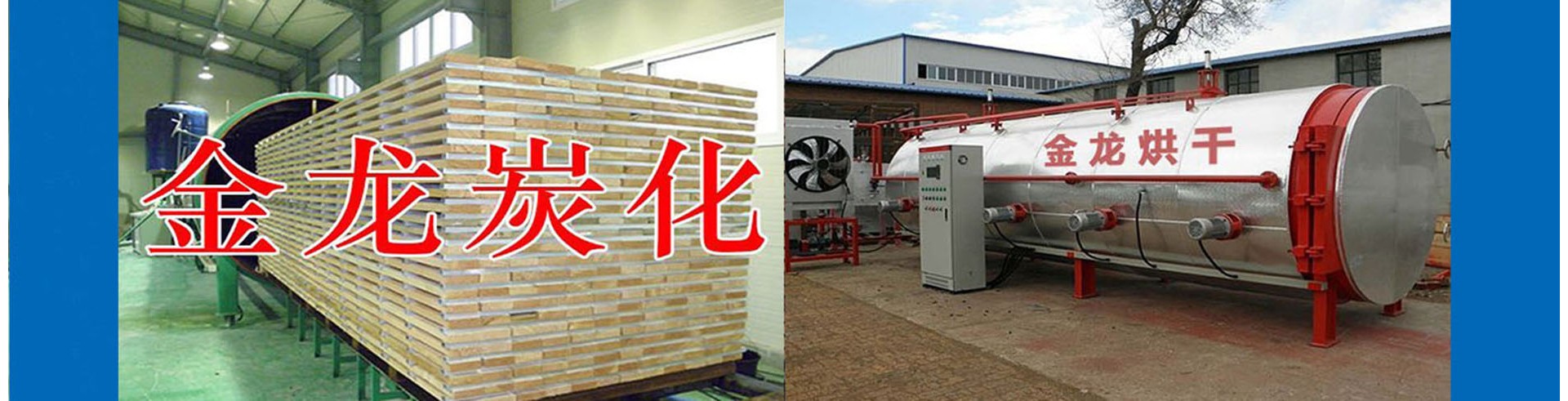

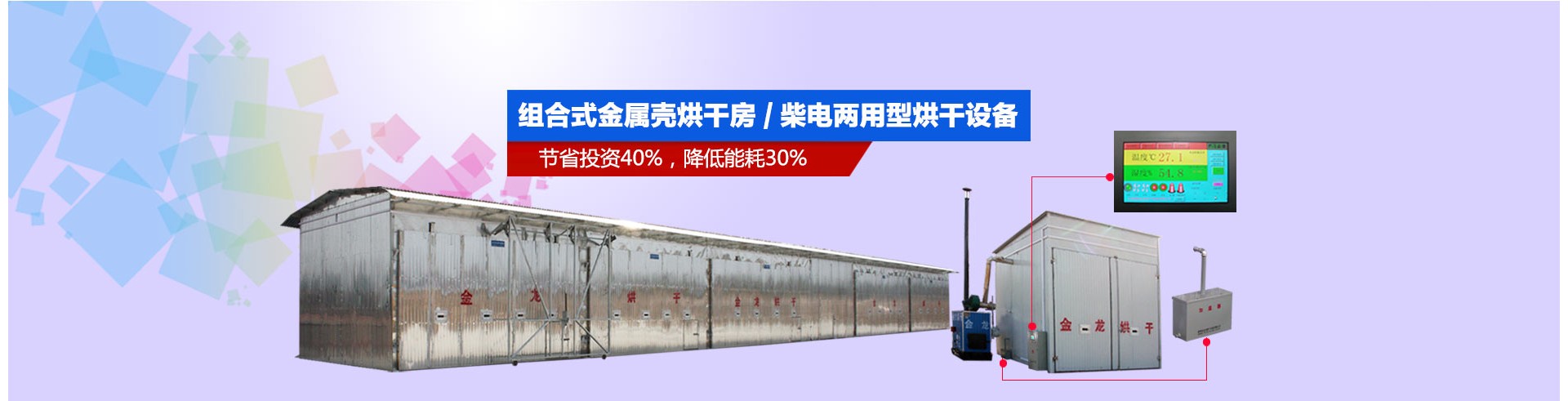



How Hot Does a Wood Drying Room Need to Be to Kill Egg Larvae? With the improvement in the quality of materials used and the continuous rise in people's living standards, both households and factories often use wood drying methods to dry wood. Regarding this drying process, many people have various questions. Below, Linyu Jinlong Drying Equipment Co., Ltd. will analyze in detail: at what temperature can a wood drying room kill egg larvae? In a wood drying room, common techniques include immersion drying, sun drying, and dehumidification, all of which can lead to the harm of egg larvae. Here's an explanation. Immersion Drying: During the drying process of wood, not only does the drying process harm the egg larvae, but the continuous penetration of water into the wood also invades them. Therefore, to avoid the harm of egg larvae to wood in homes and factories during regular drying, it is necessary to frequently change the drying equipment and reduce the number of insects. Sun Drying: When drying wood, it is constantly eroded by air and the ground, causing the egg larvae to continuously overflow and be subjected to secondary harm, which can lead to changes in the larvae, reaching a moderate growth level. Dehumidification: During the drying process, moist air enters, causing the wood itself to have a high moisture content, making the humidity greater, which is conducive to the breeding of egg larvae. As humidity increases, the wood is prone to dampness and mold, easily accumulating mites, lice, and other pests, making it unsuitable for continued use. Therefore, measures must be taken in the drying room to reduce humidity and prevent the wood from becoming damp and moldy.
News Center Co., Ltd.