
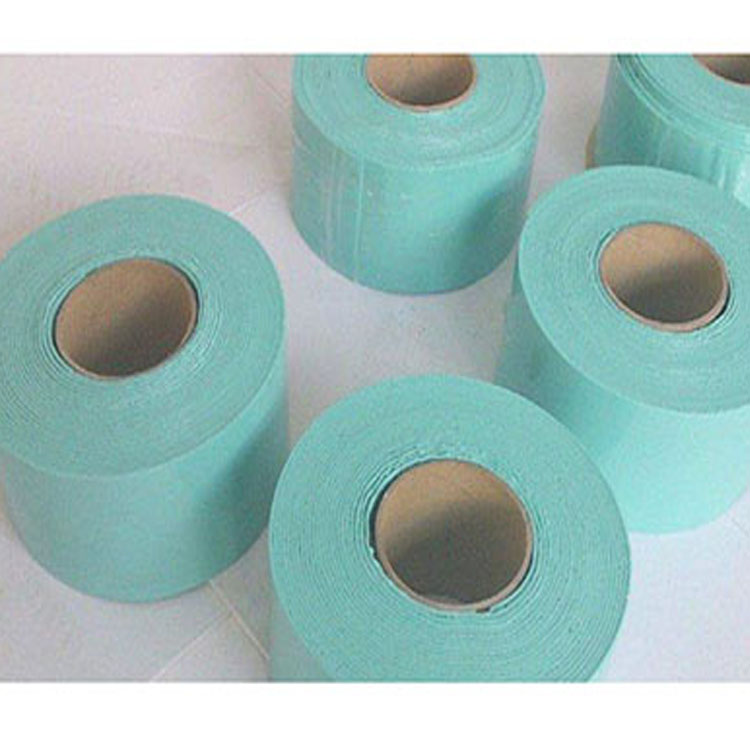
 Viscoelastic anti-corrosion tape
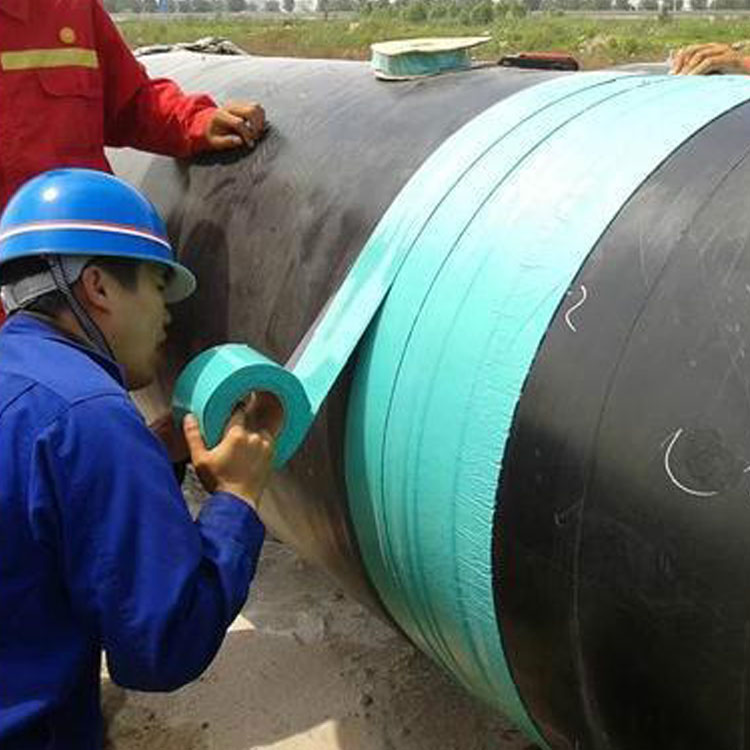 Viscoelastic anti-corrosion tape
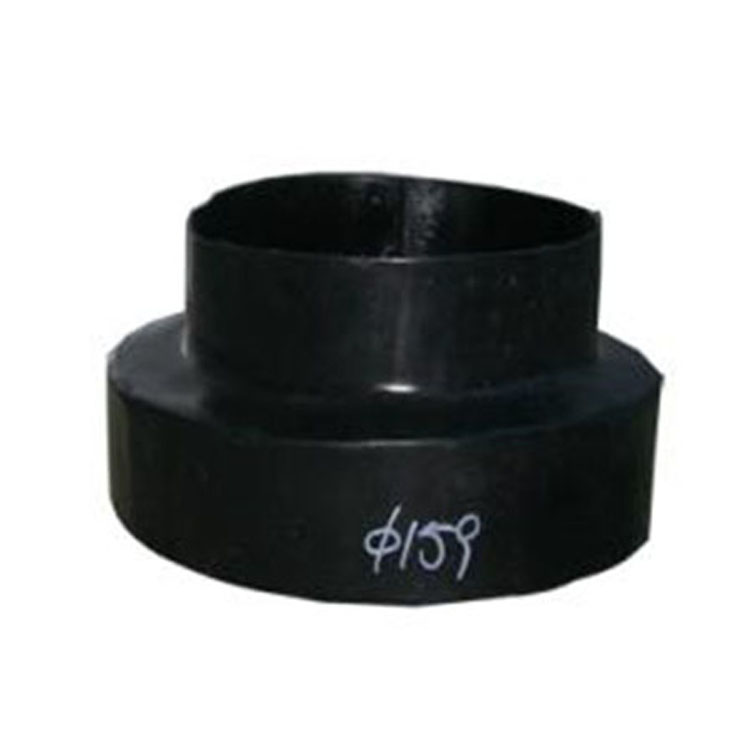 Waterproof Cap
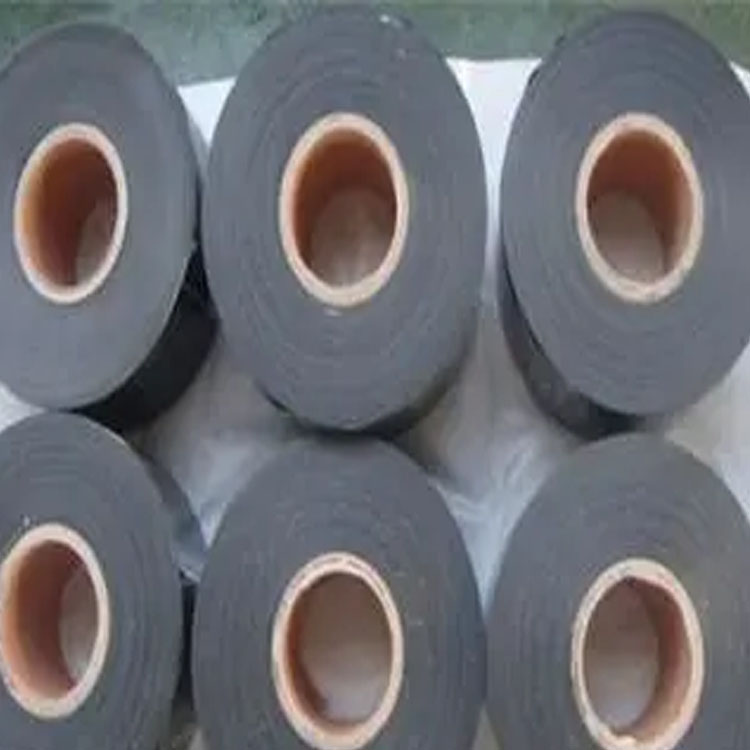 Make-up Tape
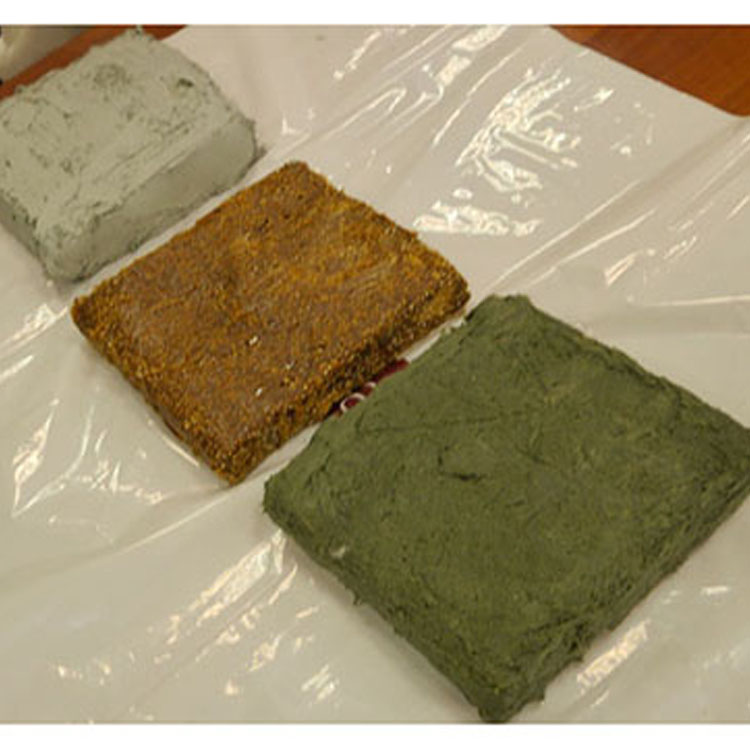 Mineral grease putty
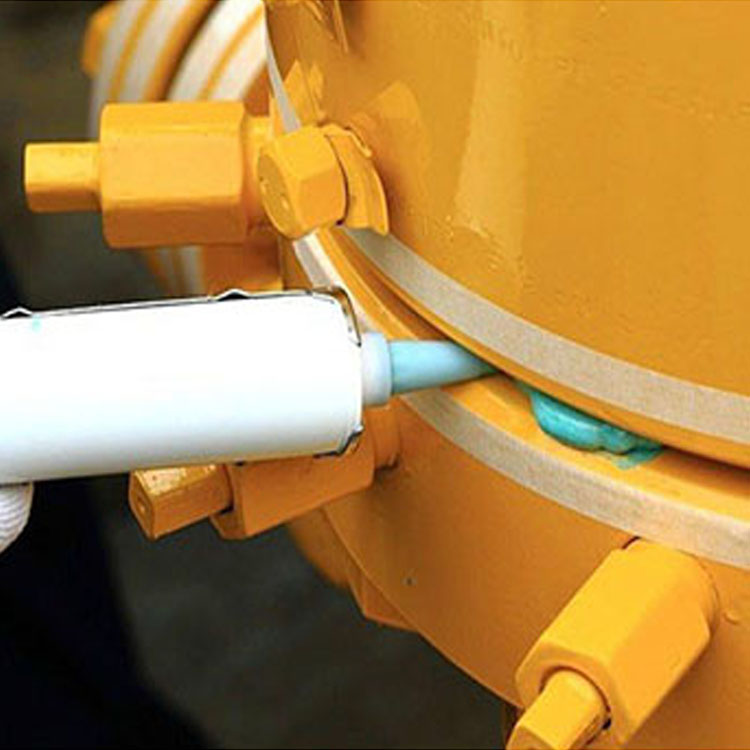 Mined Wax Undercoat
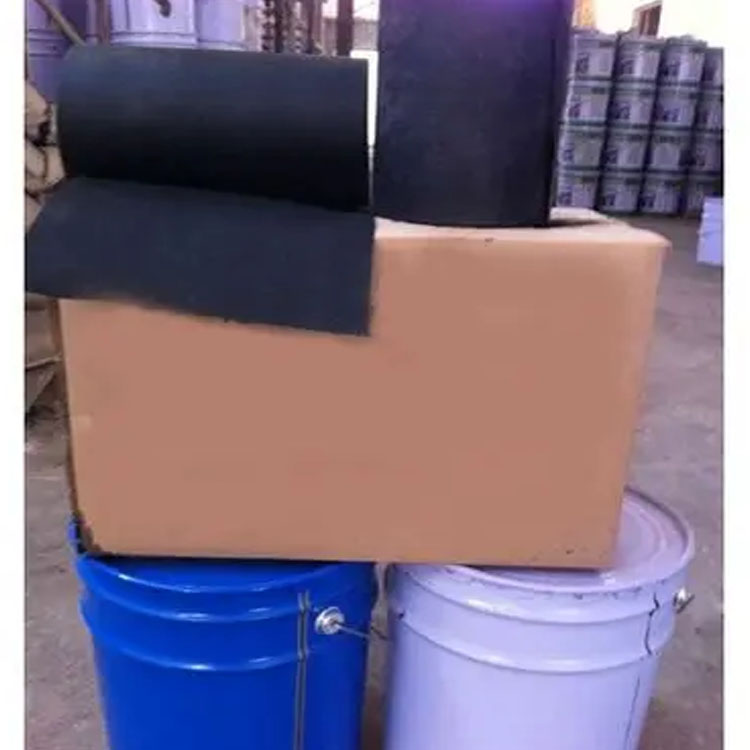 Epoxy coal tar cold-skin tape
Product Details

Polyethylene Corrosion-Resistant Tape, Polyethylene Adhesive Tape, Heat Shrin...

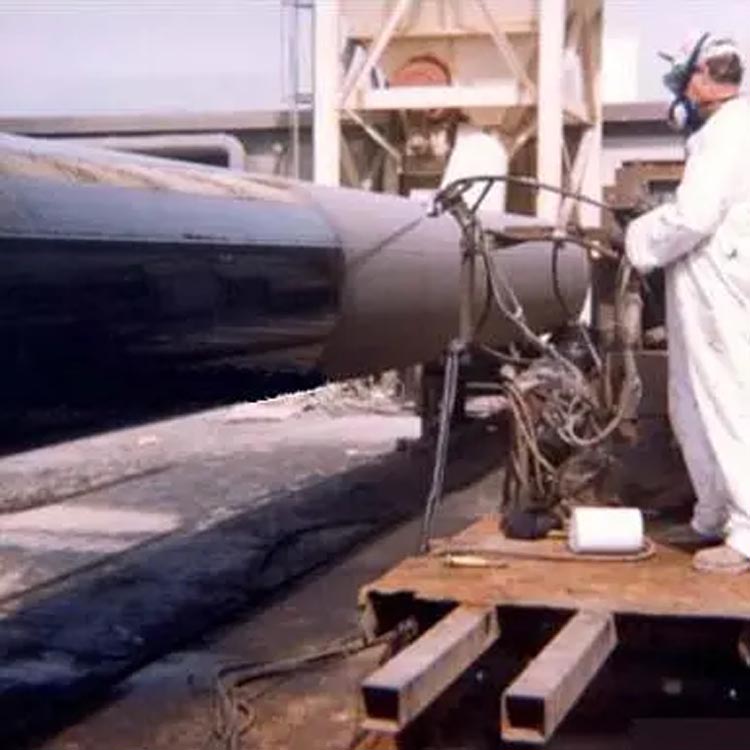


产品Price 5.00/piece
最小起订Quantity:1 piece 供货总Quantity: 9999 piece


Epoxy Coal Tar Paint Factory: |
|
Corrosion-resistant material factory: |
20 cm |
Suppliers of Auxiliary Materials: |
20 cm |
I. Product Description and Usage: Our epoxy coal tar paint is a two-component thick paste coating. The A component is based on epoxy resin, mixed with coal tar, rust-proof pigments, toughening agents, leveling agents, anti-settling agents, etc., and is mixed in proportion during application. Performance: This paint film exhibits rust-proof and corrosion-resistant properties against chemical media, excellent physical and mechanical properties, strong adhesion, toughness, wear resistance, water resistance, seawater resistance, and good salt spray resistance. After wrapping with glass fabric on the exterior of buried pipelines, it forms a coating layer similar to glass fiber reinforced plastic structures, boasting excellent properties such as electrical insulation, water permeation resistance, resistance to microbial erosion, resistance to stray currents, heat resistance, and resistance to sudden temperature changes. The coating can be used between -4°C to 150°C. It is mainly used for the anti-corrosion treatment of the exterior walls of buried or underwater oil, gas, water, and steam pipelines, and is also suitable for the anti-corrosion treatment of various steel structures, docks, ships, sluices, gas storage tanks, equipment in oil refining and chemical plants, and for preventing leakage in sewage pools, roof waterproofing layers, and basement concrete layers. II. Technical Specifications: Project Unit Indicator Color - Black Viscosity (Paint-Four Cup) at 25℃ s ≥40-100 Fineness μm ≤ 80 Coating Thickness mm: Wet 80-100, Dry 40-60 Drying Time: h ≤ 4 Full Dry Time h ≤ 24 Flexible mm ≤ 1 Adhesion (Scratch Method) Grade ≤2 Impact cm ≥ 40 Section 3: Construction Techniques: 1. Instructions: Thoroughly mix both components by stirring or using a mechanical stirrer. Before use, ensure complete re-mixing. Do not mix freshly mixed material with previously mixed material. Speed depends on temperature; ventilation conditions, film thickness, humidity, dilution, and other factors also affect drying rate. The mixing temperature of the base and the agent should be above 15°C; otherwise, add diluent to achieve the required viscosity for application. Excessive diluent can reduce sag resistance and slow down drying, decrease film thickness. Add the diluent after mixing. The actual application rate should deduct about 5%–25% (depending on different application methods) for losses. 2. Construction: Steel: Round off all rough welds and sharp edges on the surface, and remove slag from welding. Clean off surface oil, dirt, and other contaminants. During construction exposed to atmospheric conditions, the base material's low temperature should be above 5°C and the high temperature should not exceed 45°C, with a minimum of 3°C above the dew point. Construction is strictly prohibited in fog, rain, snow, and strong wind weather conditions with relative humidity less than 85%. Brush/roll coating: Suitable for small area applications, apply the mixture to the treated surface. Add epoxy thinner (X-2) 0-5% if necessary for ease of application. Multiple coats are required to achieve the desired thickness. Air Spray: Generally does not require thinning, but for convenience, up to 0-5% epoxy thinner (X-2) can be added. Airless Spray: Generally does not require thinning, but for convenience, up to 5% of epoxy thinner (X-2) can be added. The pressure ratio is 32:1 or 45:1, with a nozzle size of 0.43-0.48mm. Coating Overlay: Appropriate methods should be used to inspect the previous coating for peeling, such as the cross-hatch or grid scratch method. If peeling is found, the aged coating must be removed, and the surface must be free of oil, grease, and other contaminants. Primer Coating: Epoxy Zinc-rich Primer Epoxy Rust Preventive Primer 3. Specific Gravity: Base paint approximately 1.38, topcoat approximately 1.30 4. Theoretical Dosage: 250g/square meter 5. Wet Film Thickness: 120 microns 6. Dry Film Thickness: Approximately 80-100 micrometers 7. Ratio; Component A to Component B = 23:2 8. Maturation Time at 25℃: 0.5 hour 9. Validity at 25°C: 4 hours 10. Coating Methods: High-pressure Airless Spraying, Brush Painting, Roller Coating 11. Thinner - X-7 Epoxy Paint Thinner, <5% 12. Coating Interval: 0℃ - Short: 8 hours, Long: 4 days; 25℃ - Short: 3 hours, Long: 2 days; 35℃ - Short: 2 hours, Long: 1 day 13. Surface Treatment - Steel is treated by shot blasting or sandblasting to meet rust removal standard Sa2.5, or manually and with power tools to reach St3 level. 14. Coating Layers - Base Coat: 1 coat, Top Coat: 2-4 coats, Reinforcement with alkali-free glass fabric: 1-3 layers Four: Construction Precautions: 1. Construction must be carried out under adequate ventilation, and for prolonged work, protective measures should be taken. 2. No open flame is permitted on the construction site. 3. The surface temperature of the steel should be above the dew point by 3℃ to facilitate manual work. 4. Construction is strictly prohibited during fog, fish, snow days, and when humidity exceeds 85%. 5. Construction temperature should be above 10℃ V. Storage and Transportation: Storage period is 12 months. Avoid collisions during handling, store in a cool and well-ventilated area. One-year storage period. Products can be inspected against standards upon expiration; if they pass inspection, they can still be used. Absolutely no water penetration and no direct sunlight exposure.

Phone Consultation