
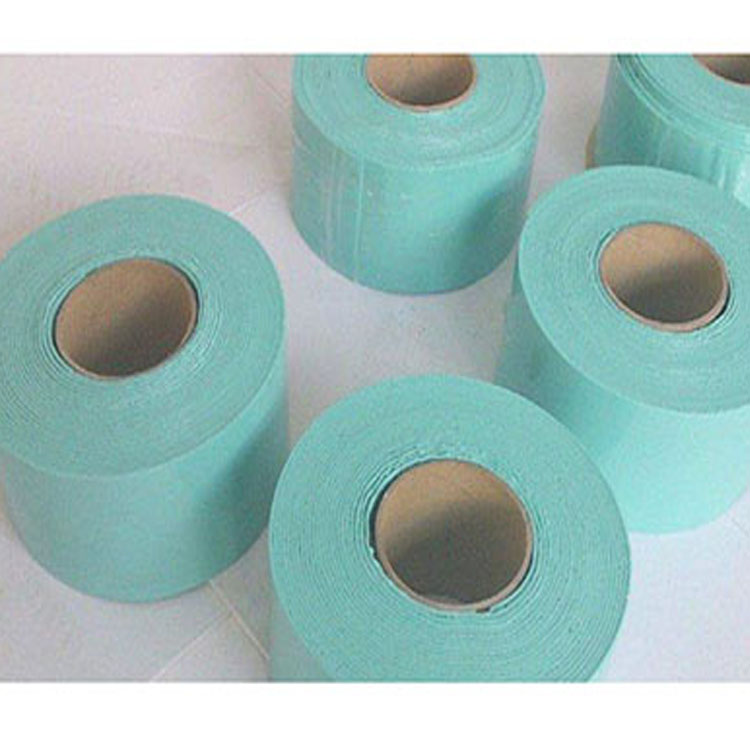
 Viscoelastic anti-corrosion tape
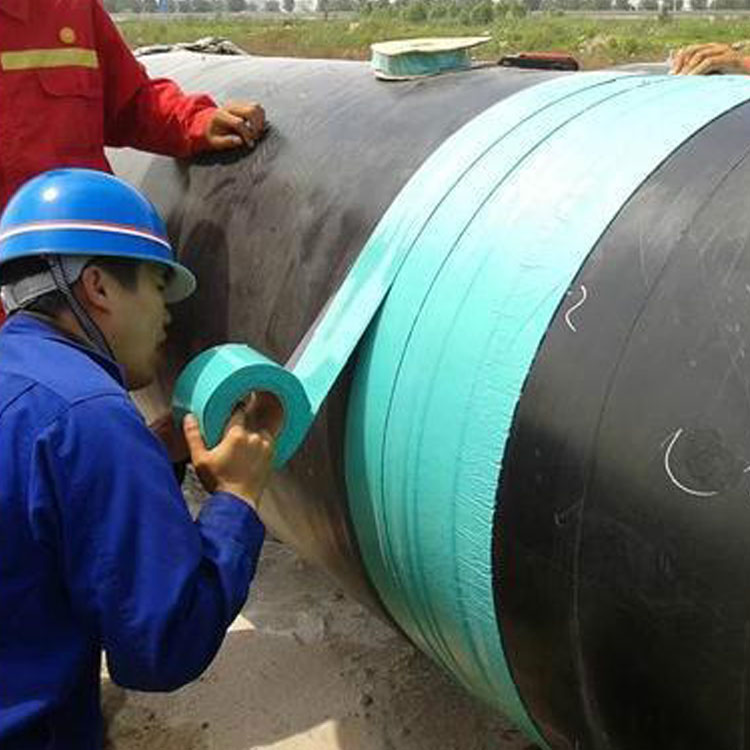 Viscoelastic anti-corrosion tape
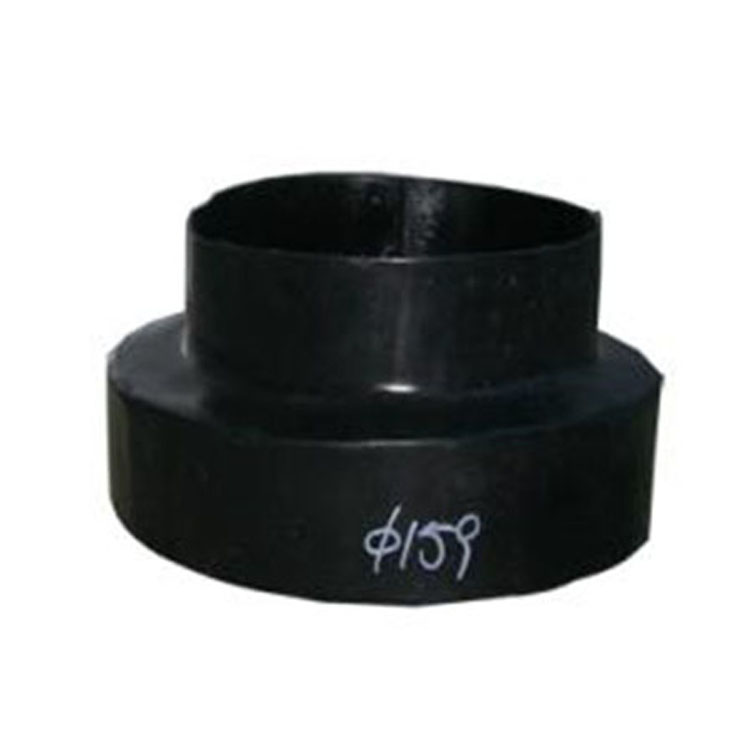 Waterproof Cap
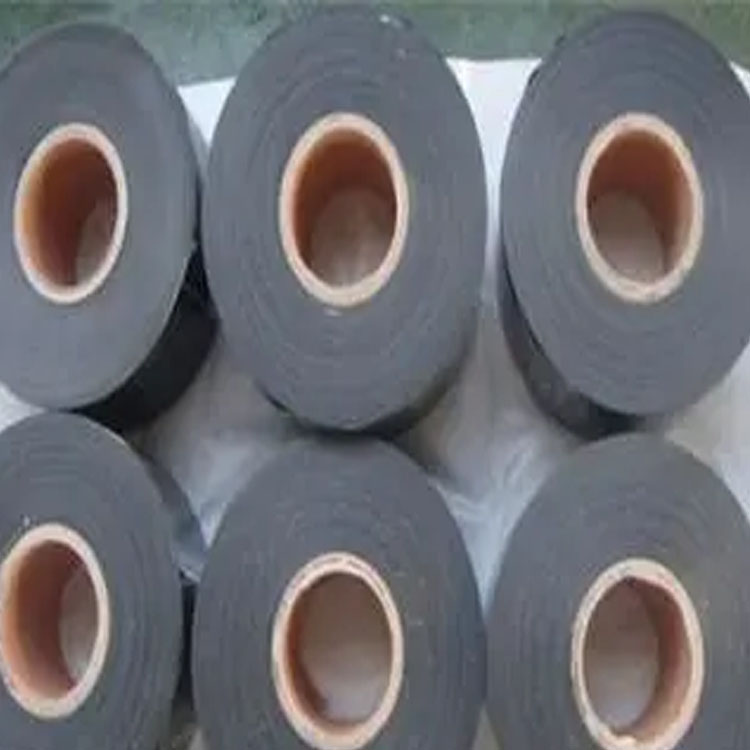 Make-up Tape
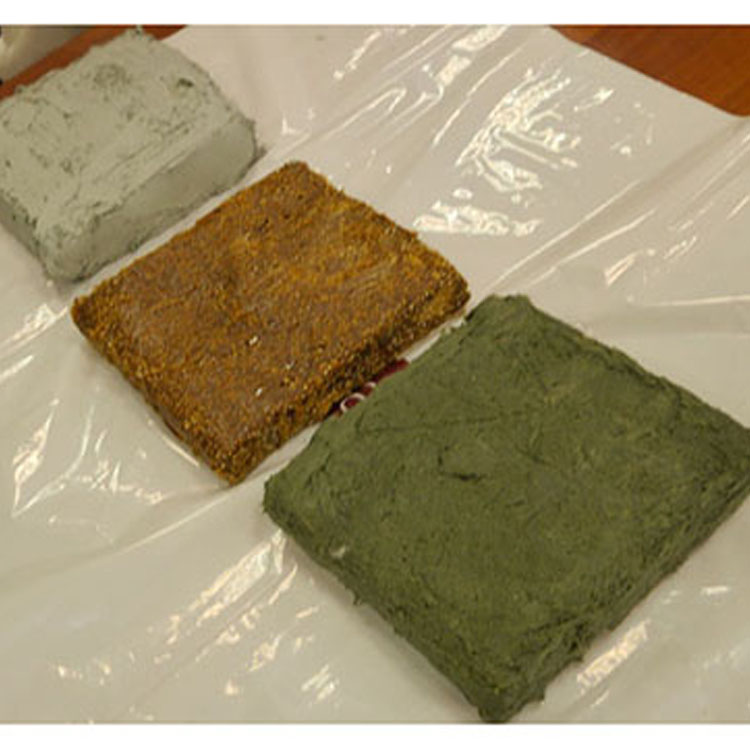 Mineral grease putty
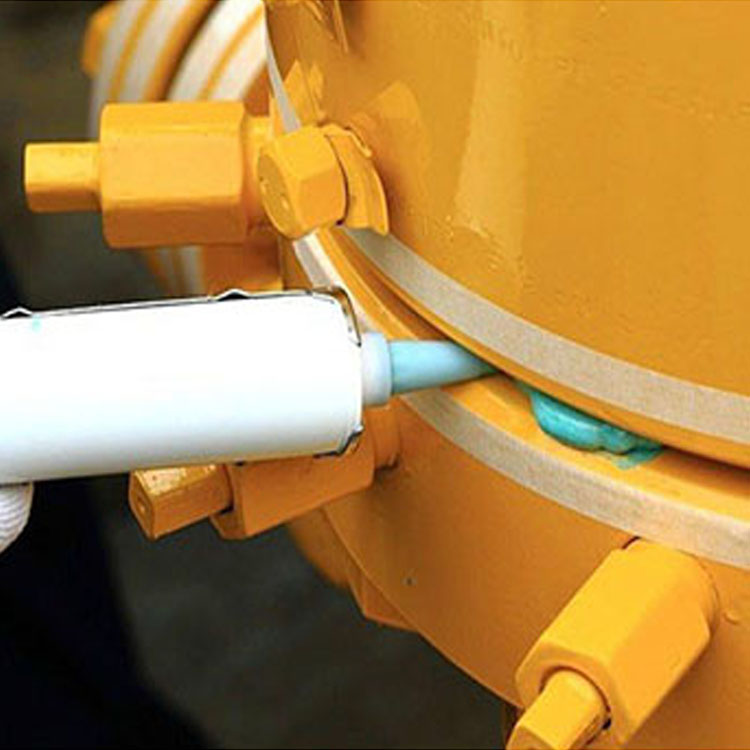 Mined Wax Undercoat
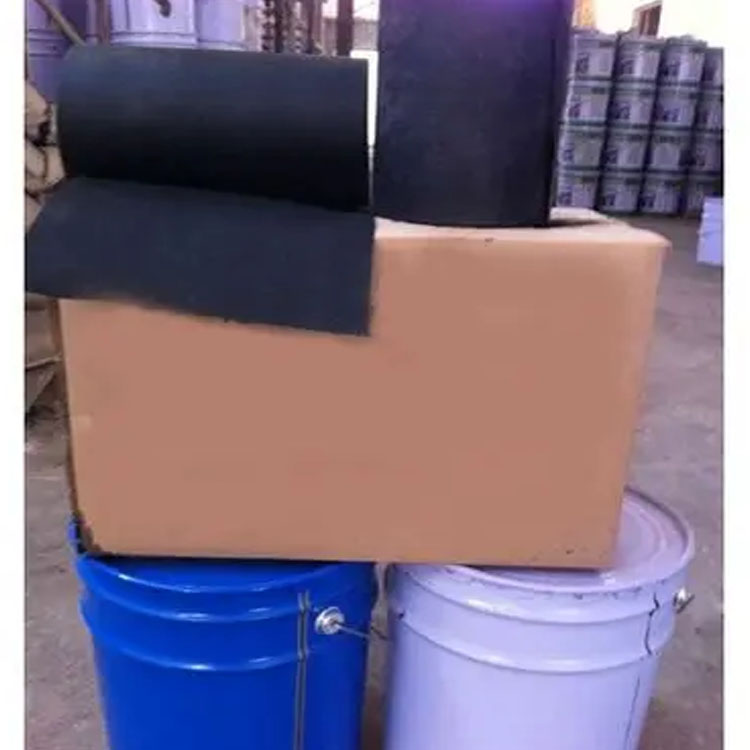 Epoxy coal tar cold-skin tape
Product Details

Polyethylene Corrosion-Resistant Tape, Polyethylene Adhesive Tape, Heat Shrin...

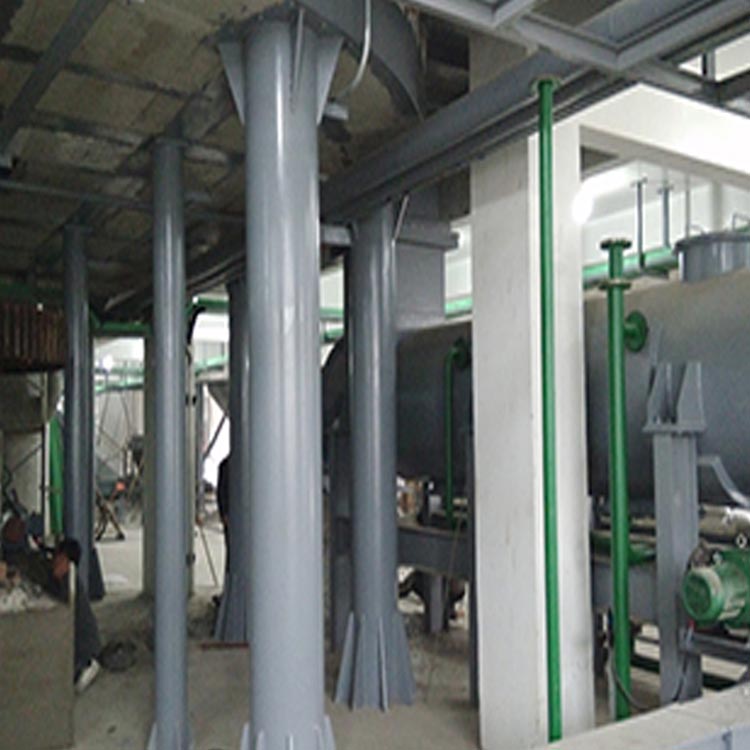

产品Price 5.00/Piece
最小起订Quantity:1 Piece 供货总Quantity: 9999 Piece


Corrosion-resistant materials: |
|
Corrosion-resistant material factory: |
20 cm |
Antirust material manufacturer: |
20 cm |
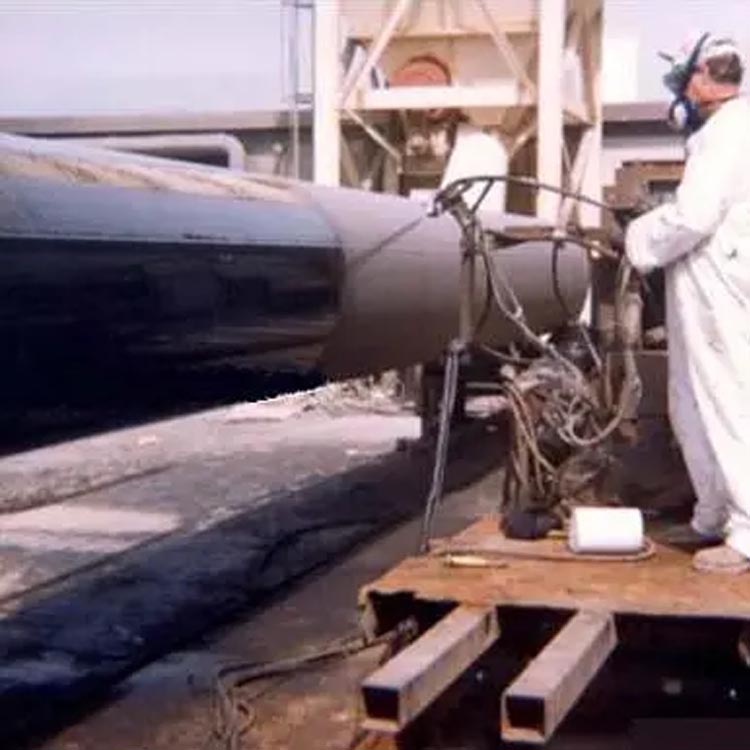
Product Description and Usage: Product Composition: Component A consists of epoxy resin, mica iron oxide pigment, thickener, additives, solvent, etc. Component B is a polyamide resin curing agent. Used as undercoat for various steel structures for maintenance, anti-rust protection, or intermediate coating, enhancing sealability and corrosion resistance. II. Product Features and Performance: This product is made by incorporating mica ferric oxide pigment into epoxy resin, forming a two-component intermediate coating with nylon resin hardening. The paint layer features strong adhesion between coats, and the middle coating's film has excellent sealing properties due to the unique flake structure of the mica ferric oxide pigment. It is compatible with intermediate protective layers such as epoxy zinc-rich primers and inorganic silicate paint primers to enhance the intercoat adhesion and protective function. It can also serve as a sealing paint for the zinc spray or galvanized layer on steel and iron parts, or be directly applied as a rust-preventing primer on surfaces with anti-corrosion quality up to Sa2.5. III. Protection Guidelines: Heat resistance - High resistance to 150℃ dry heat Weather resistance - May experience some powdering after long-term exposure. Solvent-resistant; immersion in petroleum solvents, gasoline, diesel, and lubricating oils. Acid Resistance - Resistant to splashes and overflow of weak organic and inorganic acid solutions. Excellent resistance to alkali, with good performance against splashes and spills from most common alkaline solutions. Salt Resistance - Can be immersed in alkaline and neutral salt solutions.
Waterproof - Excellent resistance to splashes and spills of fresh and saltwater.
Wear Resistance - Good wear resistance after full curing. Section 4: Technical Specifications: Project: Iron Red, Manganese Nodule Film appearance: Iron red, even film; Grey or brown red, even film. Drying Time (h at 25 ± 1 ℃) Surface Dry ≤ 2-4 Actual Work Time ≤ 24 Viscosity (as measured by a No. 4 Brookfield viscometer), S 60~90 Flexibility, mm, ≤ 2 Adhesion (Circular Scratch Method) Grade ≤ 2 Impact resistance, kg · cm 50 V. Construction Requirements: 1. Physical Parameters: Film Color: Grey, Dull; Dry Film Thickness: 50 micrometers (equivalent to 91 micrometers wet film thickness); Theoretical Spreading Rate: 127 grams/square meter; Actual Spreading Rate: Allowable for appropriate loss; Flash Point: (1) Group A 27oC, (2) Group B 27oC; Density: Approximately 1.40 kg/liter Installation Instructions Mixing Ratio: A:B = 23:2 (Weight Ratio) Application Method: Spray, brush, or roll on diluent: SP-X680. Spray nozzle diameter: s. Prime paint for previous stage: Epoxy zinc-rich protective paint (single can), epoxy zinc-rich primer (separate can), inorganic silicate zinc primer (separate can), or directly applied to steel surfaces with rust prevention quality reaching Sa2.5 grade. Paint for subsequent stage: Epoxy topcoat (separate can), acrylic-modified chlorinated rubber topcoat, polyurethane topcoat (separate can), recoatable polyurethane topcoat (separate can), fluorocarbon topcoat, etc. Technical requirements and surface treatment: Steel plate coated with zinc powder primer: Remove all oil, debris, and zinc salts. Blast clean steel plate to 2.50 grade. Steel plate coated with workshop primer: Use light sweeping blast cleaning or air-powered (electric) tools for secondary rust removal. Substrate temperature must be above 3°C of dew point. When working outdoors, the substrate temperature should be below 5°C. 2. Safety: When working in confined spaces or areas with poor air circulation, strong ventilation must be provided. Protective gear should be worn even if the ventilation conditions are good. Six, Precautions: 1. This product has a shelf life of 12 months. If not sealed after expiration, it can still be used after stirring. 2. Fresh mix, excess material must not be returned to the original packaging drum. 3. Be mindful of on-site ventilation; open flames are prohibited.

Phone Consultation