
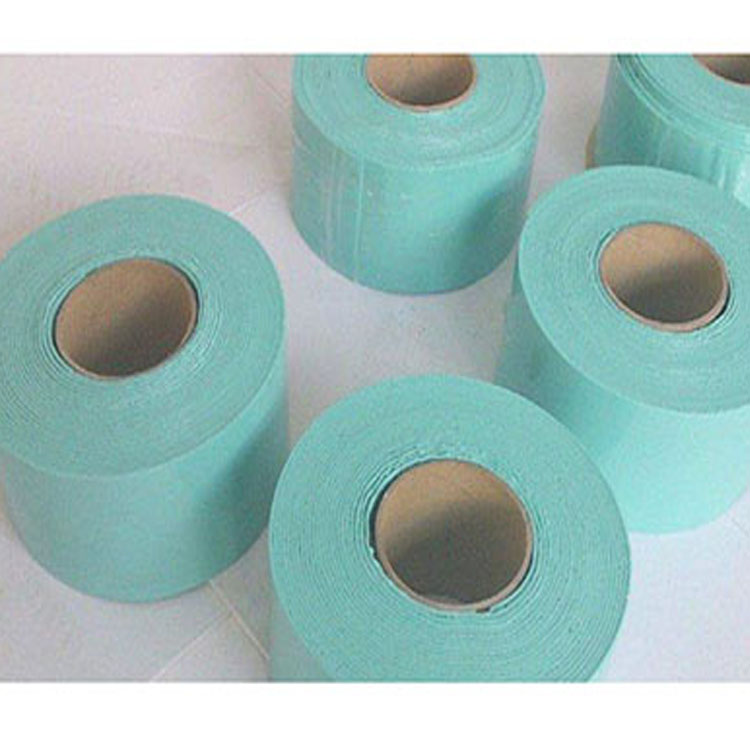
 Viscoelastic anti-corrosion tape
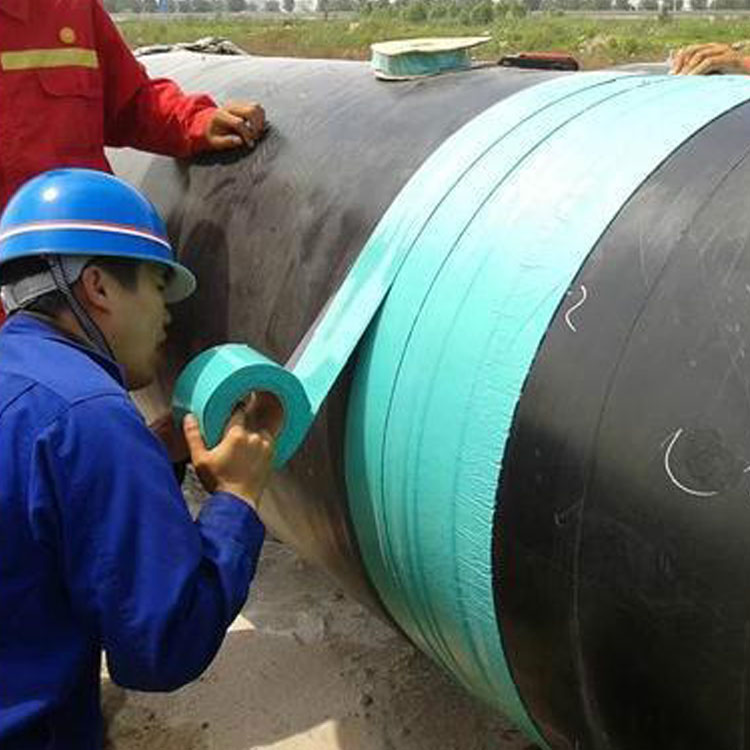 Viscoelastic anti-corrosion tape
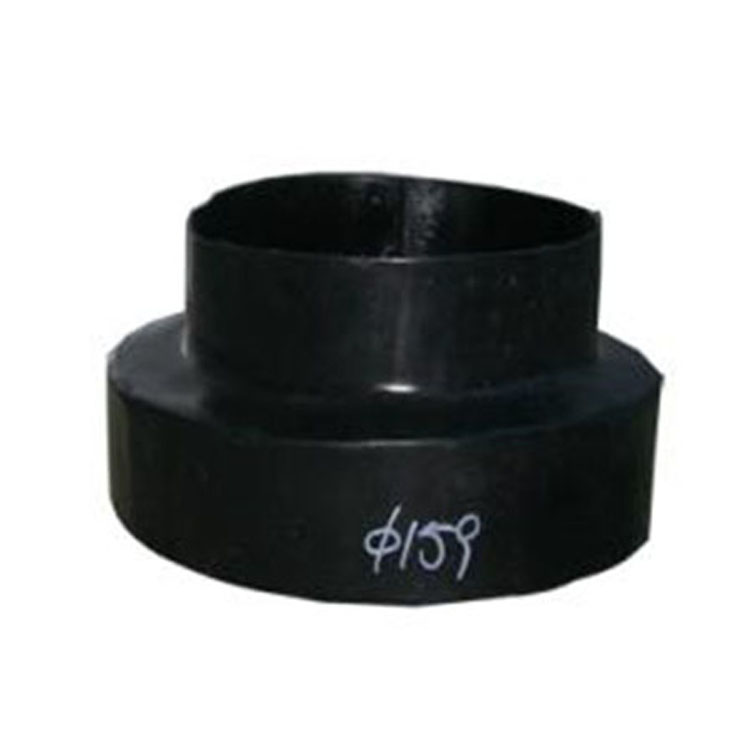 Waterproof Cap
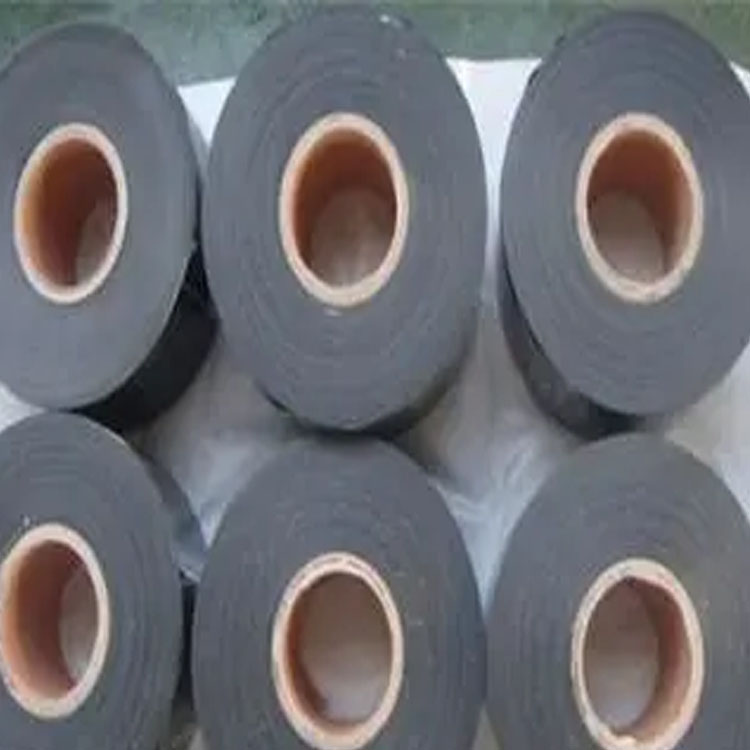 Make-up Tape
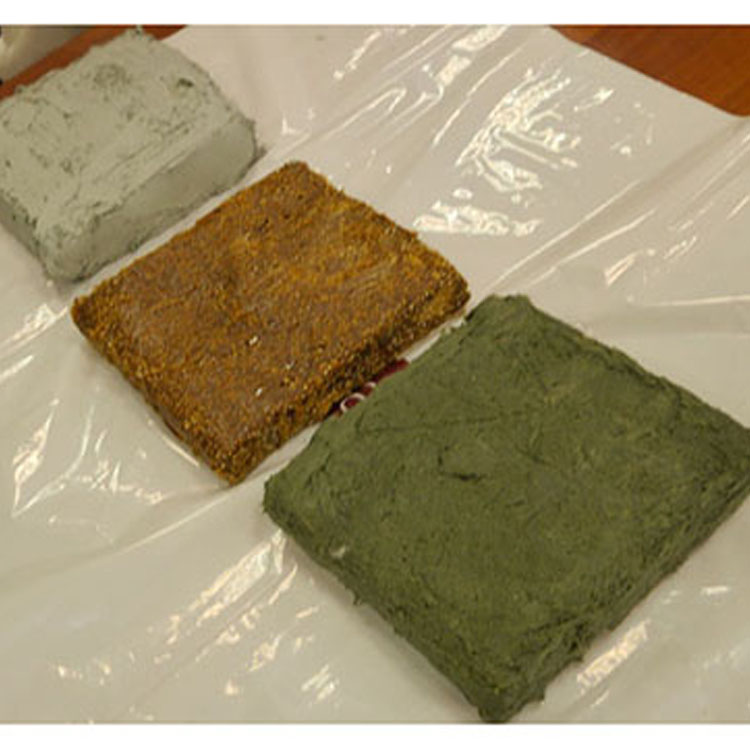 Mineral grease putty
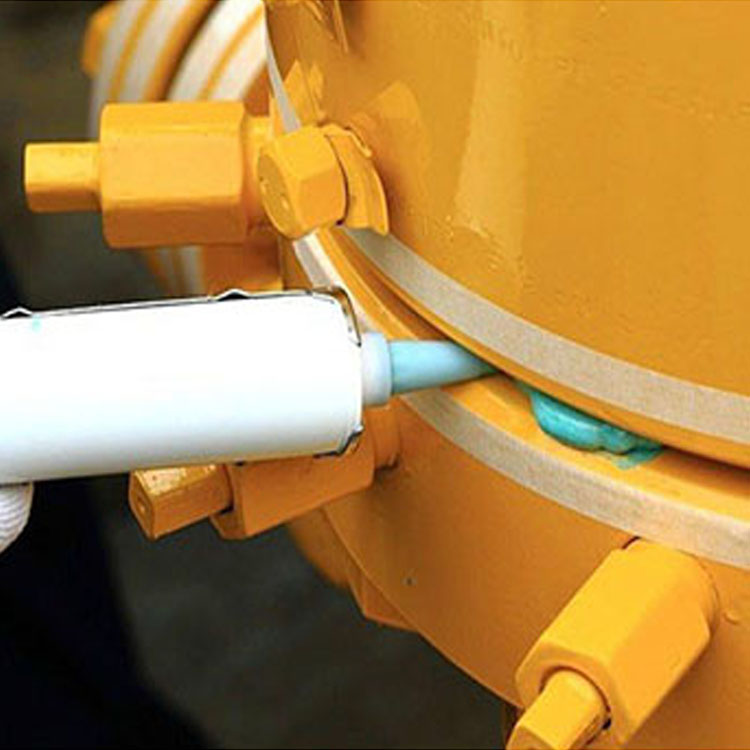 Mined Wax Undercoat
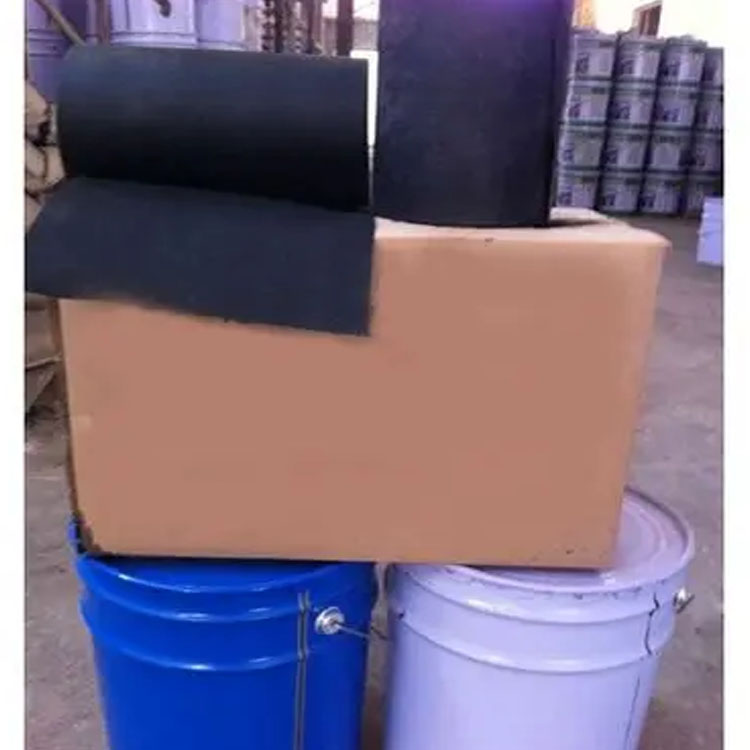 Epoxy coal tar cold-skin tape
Product Details

Polyethylene Corrosion-Resistant Tape, Polyethylene Adhesive Tape, Heat Shrin...

产品Price 4.00/Piece
最小起订Quantity:1 Piece 供货总Quantity: 9999 Piece


Corrosion-resistant materials: |
|
Antifreeze Material Factory: |
20 cm |
Manufacturer of anti-corrosion materials: |
20 cm |
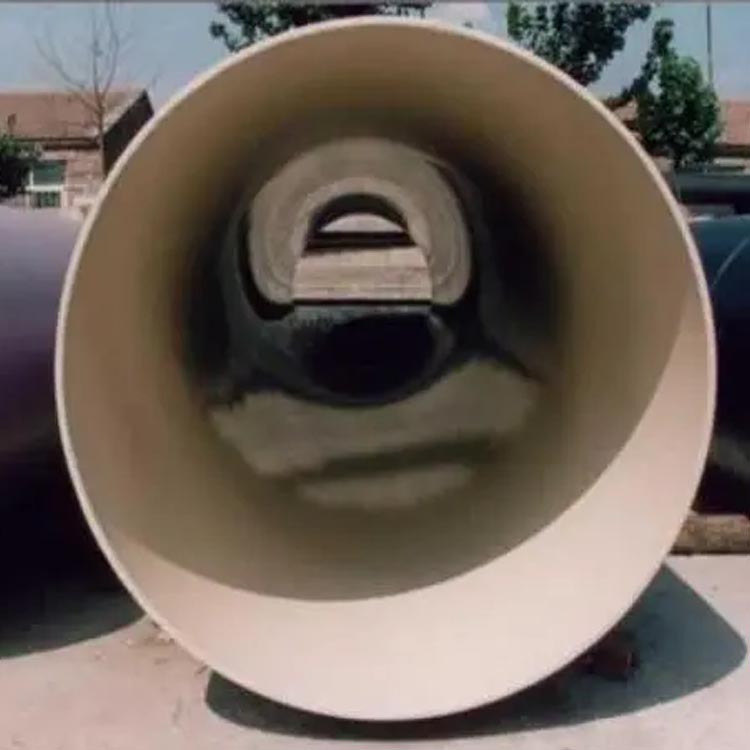
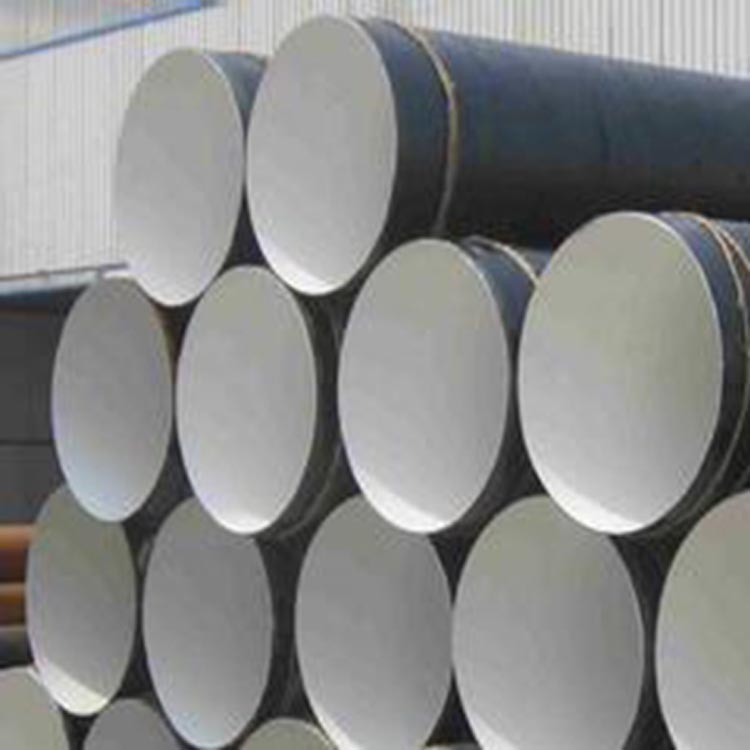
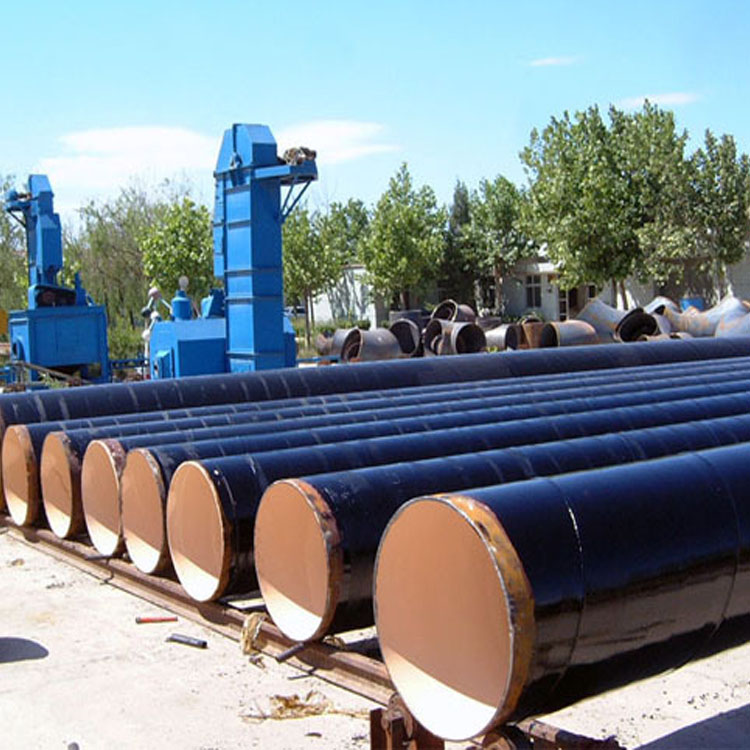
I. Product Description and Usage: This product is a solvent-free two-component epoxy coating, with the A component primarily composed of epoxy resin, supplemented with quartz powder and additives; the B component is mainly polyamine-based, with added coal tar, quartz powder, and toughening agents. This product is free of volatile solvents. During construction, the paint is preheated and mixed thoroughly. After equal mixing, it is evenly applied to the preheated and rotating cast iron or steel pipe inner surface using a spraying machine. Post-spraying, the surface is kept heated and dried, resulting in a dense, smooth, ceramic-like lining that offers excellent waterproofing, corrosion resistance, and insulation properties. Mainly used for the corrosion prevention of cast iron or steel pipe interiors for water supply transportation, it can also be applied to the internal and external corrosion prevention of steel water storage tanks, water treatment plants, docks, and chemical plant equipment. Section 2: Product Features: 1. This product features solvent-free coatings, emitting no volatile solvents during use, meeting environmental protection standards. 2. This product is suitable for rapid drying after mechanized thermal spray, capable of forming a dry film over 1000 μm in thickness with a single spray. It can also be used for on-site repairs and hand-applied coating, with curing at room temperature. 3. The coating features an egg yolk color, is dense and tough, with a mirror-like smooth surface. It exhibits excellent wear resistance, water resistance, chemical medium corrosion resistance, and electrical insulation properties. III. Main Technical Specifications: Serial Number Item Unit Technical Specifications Test Method 1. Paint Appearance - Group A: Yellow-brown, thick, soft paste; by visual inspection - Black, thick liquid 2. A & B component ratio: 1:1 3. Paint Quartz Sand Content, Volume % ≥20 Q/DH 08-2002 4. Drying Time of Coating at 20℃ h ≤ 16 GB/T 1728-1979 60℃ min ≤50 5. Film Adhesion Grade ≤2 GB/T 1720-1979 6. Film Flexibility mm ≤ 1 GB/T 1731-1993 7. Film Impact Resistance cm 50, Complies with GB/T 1732-1993 IV. Lining Coating Application: 1. Cast iron pipe inner surface polishing Dry sandblast the interior surface of cast iron pipes, ensuring the removal of all foreign matter, loose scale, and any substances that may impair the good bonding of the metal and lining. The post-sanding interior surface should not have any protrusions that exceed 50% of the thickness of the lining. Clean all debris from the interior of the pipe using an appropriate method after sanding. 2. Sandblasting treatment on the inner surface of cast iron or steel pipes All internal surfaces are sandblasted to achieve a surface roughness of 50-80 μm. ② Clean (i.e., dehydrated and deoiled) compressed air is used to blow away any remaining sand particles and dust from the inside surface of the tube. Once the surface treatment is approved, no operation that could damage the cleanliness of the tube surface is permitted, and the lining must be done before surface rust returns. 3. Cast Iron Pipe Internal Surface Defect Repair If the pipe surface shows dents after sanding, they can be repaired with solvent-free epoxy putty. The putty is two-component, with a ratio of A:B = 1:1. It is essential to maintain the cleanliness of the remaining pipe surface during repair. Sand the putty smooth with sandpaper before proceeding to the next step. 4. Cast Iron or Steel Pipe Lining ① Apply protective paper to the inner wall of the cast iron pipe socket, hoist the cast iron or steel pipe onto the turntable, and heat to 70°C. ② Heat the A and B components of the epoxy ceramic paint while in a stirred state to 70°C separately. ③ The tube rotates on the turntable, and the epoxy ceramic coating is evenly sprayed onto the inner surface of the tube, which is maintained at 65~70℃, using a spray gun in a 1:1 ratio of the two-component mixture (the amount should be sufficient to achieve the contractually specified thickness for the lining layer after a single application). Subsequently, an appropriate amount of defoamer is sprayed onto the surface of the lining layer. ④ The tube continues to rotate on the turntable, with hot air at 50-65℃ blown into the tube from the hot air furnace. It is then transferred to the furnace after the lining reaches the surface, and maintained at above 20℃ for at least 24 hours to ensure the lining is fully cured. 5. Initial inspection of lining quality ① Appearance inspection. Visual examination required; the lining layer surface should be smooth, free of cracks, and without any missed coating areas. ② Hardness Inspection. The inner lining surface hardness should pass the 2H pencil mark test. ③ Film Thickness Inspection. The film thickness should meet the contract requirements, as checked by a magnetic thickness gauge. ④ Leak Test. Utilize a high-voltage electric spark tester to detect leaks at 4000V or as specified by the contract. In accordance with the quality standards stipulated in the contract, the lining pipes are divided into two categories: one category is不合格 pipes, which will be removed from the production line for rework; the other category includes pipes that pass the initial inspection and those allowed for repairs. These pipes are then hoisted to the buffer zone for defect repairs and the application of sockets and plug coatings. 6. Lining Defect Repair For leak points and other defects found in the lining inspection (such as impurities, bubbles, etc.), use the matching self-curing two-component epoxy putty for repair. First, abrade the defective area and the surrounding lining approximately 50mm with an electric grinder. Mix the A and B components of the putty in a 1:1 ratio and add a suitable amount of talc to thicken it. Use the putty to fill and level the repair points first, then apply a layer of putty with a brush over the repair area to ensure a flat, smooth, and consistent appearance. Finally, let it cure naturally. 7. Fitting and plug joint coating application ① Remove all protective paper and debris such as epoxy ceramic splatters from the flange using a grinder or other hand tools, ensuring the entire inner surface of the flange area and the outer surface 150mm wide at the plug end are cleaned to the point where they are ready for painting. (Note: This step should be completed before the inner lining repair to prevent soiling the newly repaired and not yet cured points.) ② Fill and smooth over dents in the painted area of the socket and plug with putty. ③ Apply the pre-mixed patch material to the socket and plug ends using a brush, at least twice, ensuring the dry film thickness is ≥150μm. 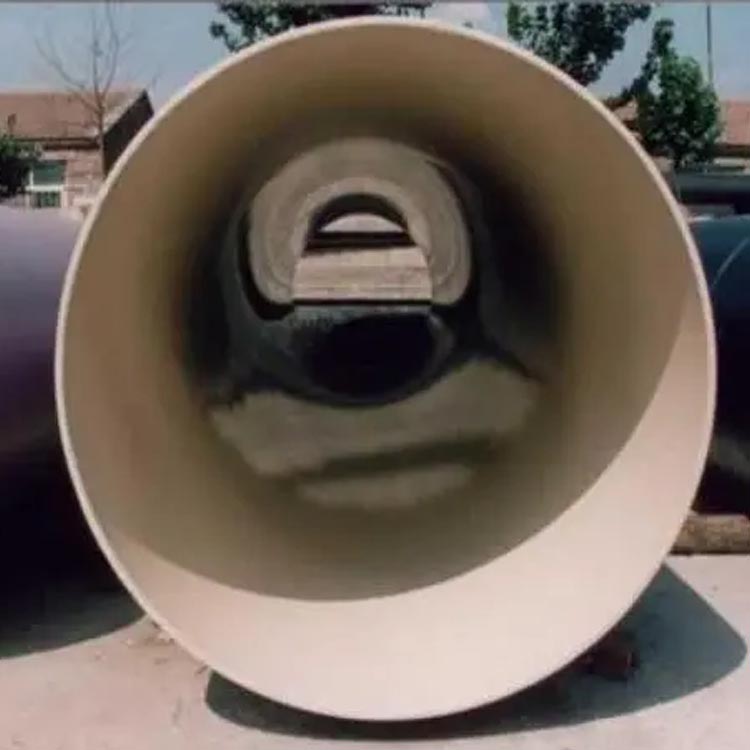

Phone Consultation