
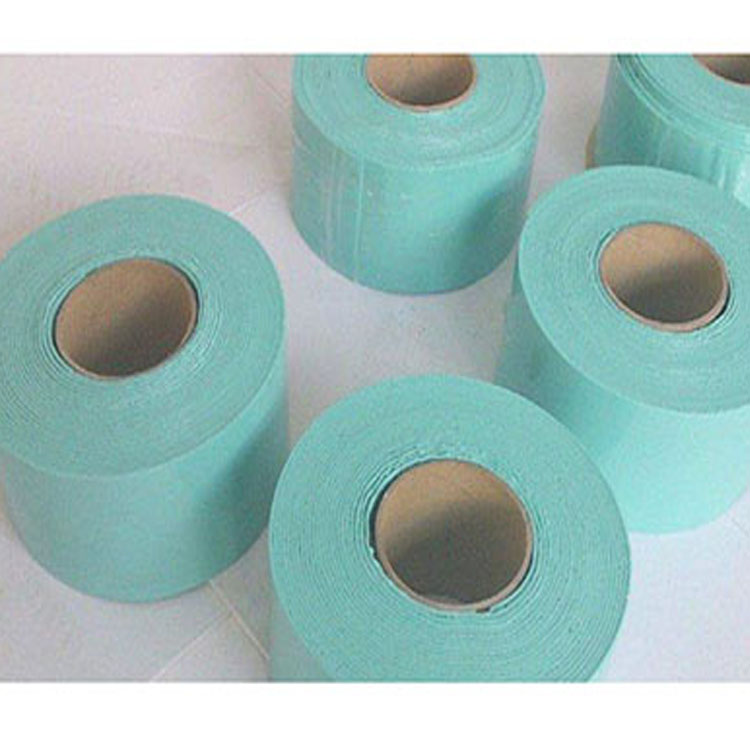
 Viscoelastic anti-corrosion tape
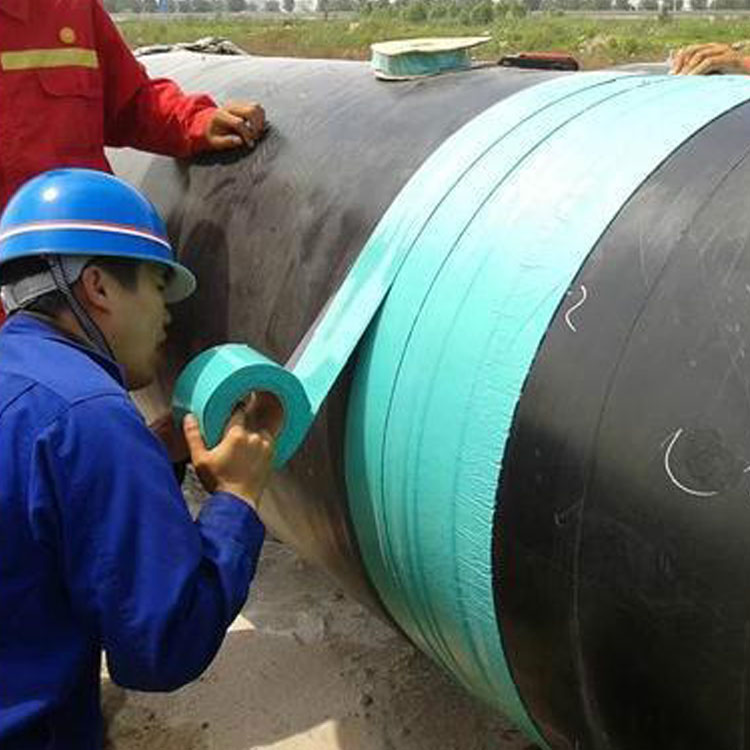 Viscoelastic anti-corrosion tape
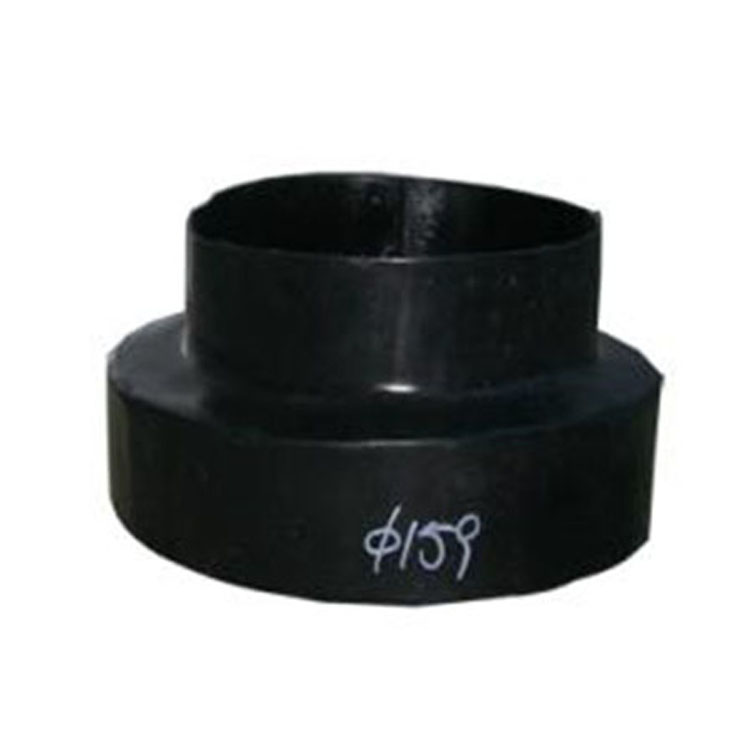 Waterproof Cap
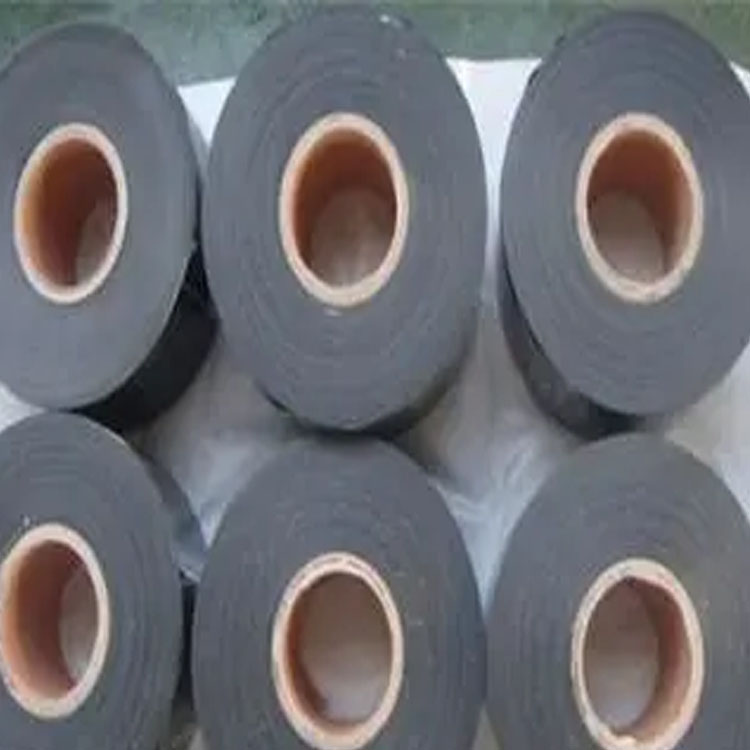 Make-up Tape
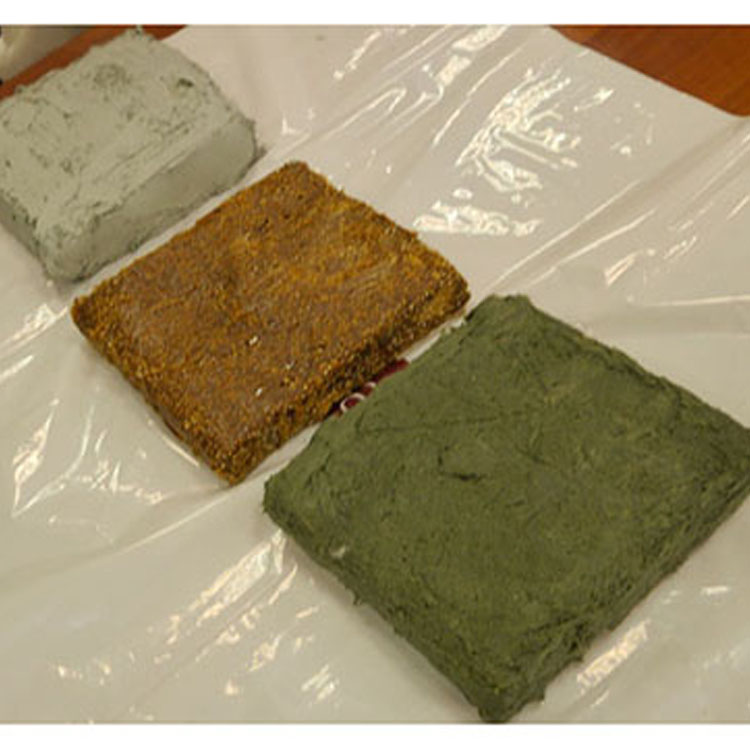 Mineral grease putty
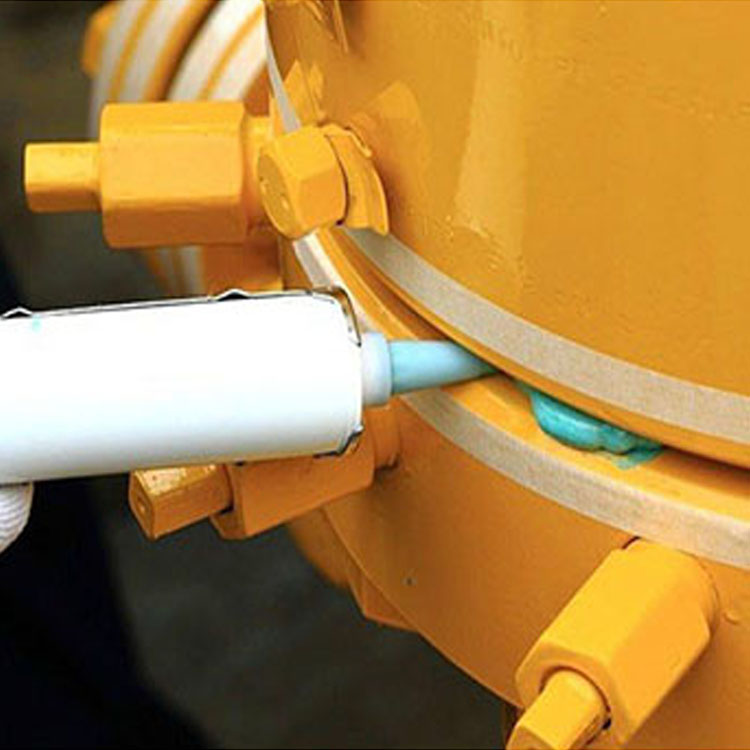 Mined Wax Undercoat
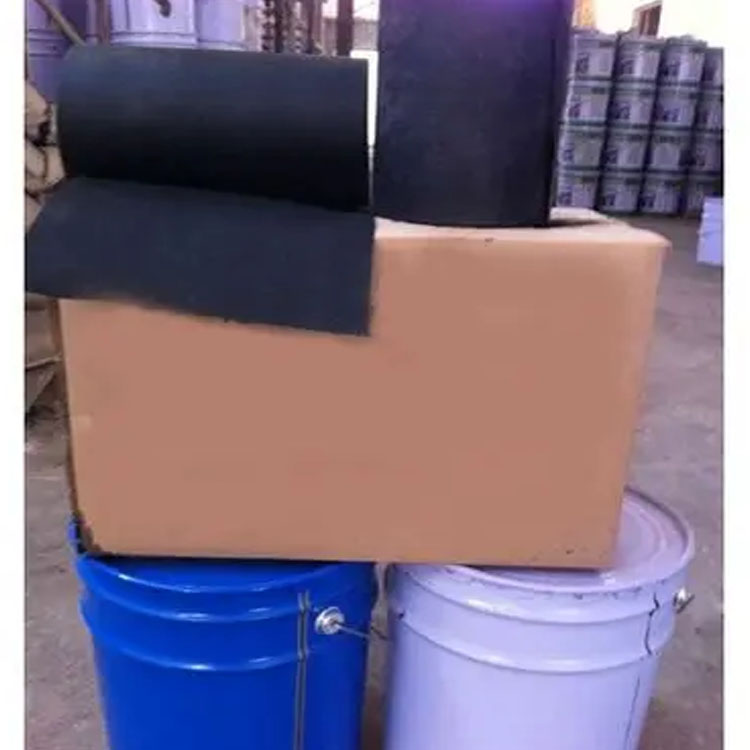 Epoxy coal tar cold-skin tape
Product Details

Polyethylene Corrosion-Resistant Tape, Polyethylene Adhesive Tape, Heat Shrin...

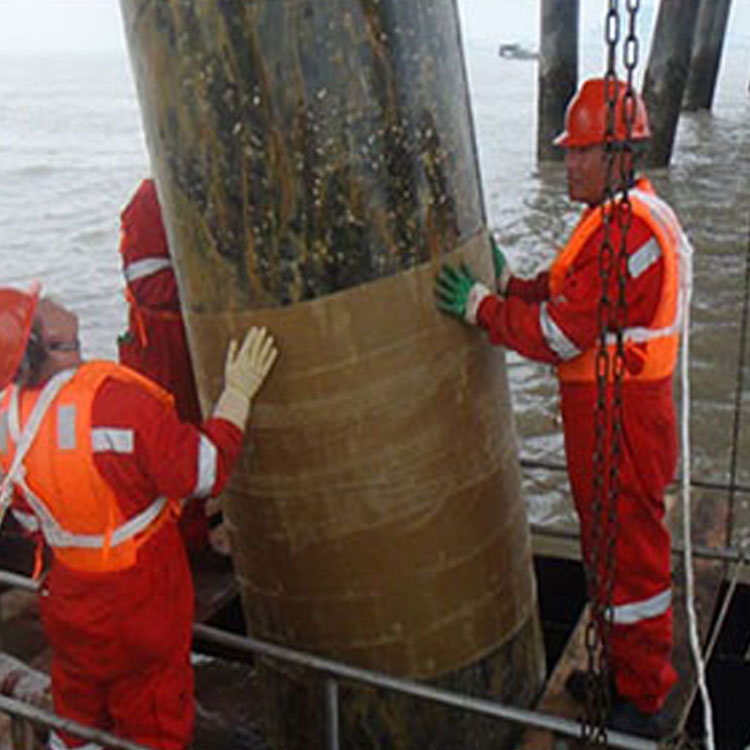
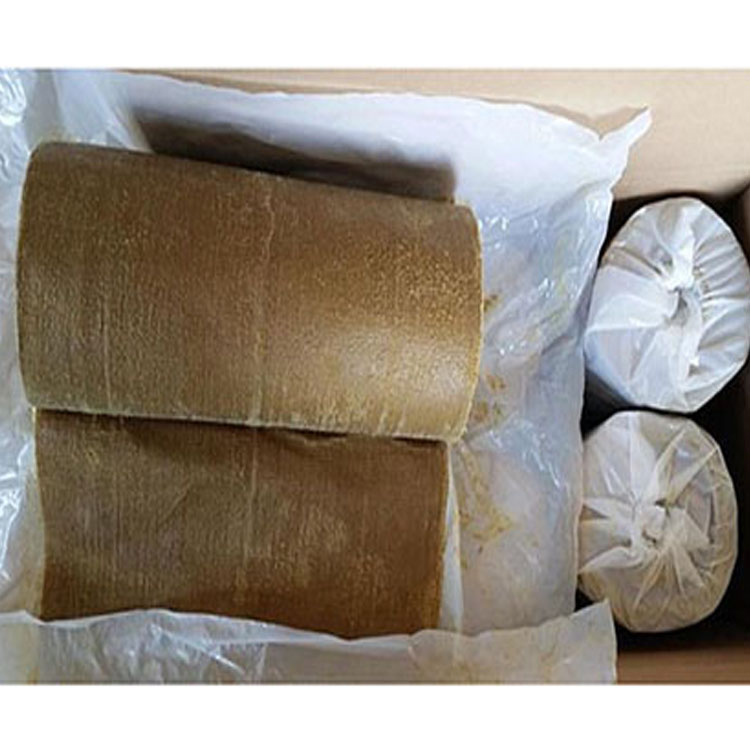
产品Price 4.00/Piece
最小起订Quantity:1 Piece 供货总Quantity: 9999 Piece


Corrosion-resistant materials: |
|
Corrosion-resistant material factory: |
20 cm |
Manufacturer of Anticorrosive Materials: |
20 cm |
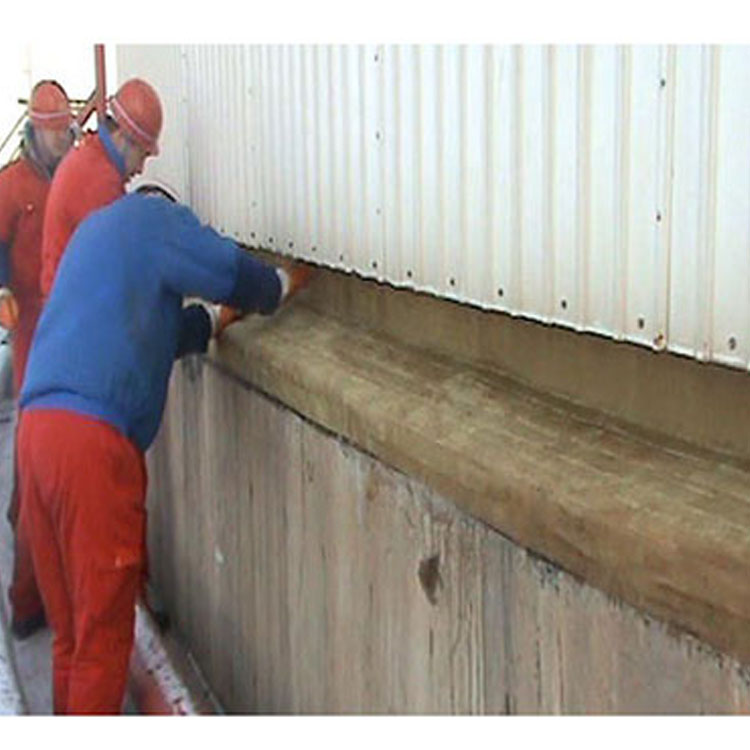
Surface rust removal Scrape loose rust and paint from the workpiece surface using a wire brush. Optional selective removal of rust, old paint, and foreign matter with powered tools. 2. Apply配套base coat 1) Apply primer by hand, brush, wearing gloves, or with a roller. 2) Apply a thin layer of primer evenly on the surface of the workpiece to be wrapped with tape. 3) Apply more primer to the holes, shoulder angles, gaps, and pipe threads of the workpieces. 4) For narrow threads and gaps, a brush can be used for application. 3. Apply matching putty. 1) For complex-shaped workpieces such as valves, flanges, and pipe fittings, modeling with putty can be used to prevent bridging or voids during subsequent tape wrapping. 2) Apply putty using a putty knife or gloves. 3) Flatten uneven surfaces and remove air from the holes. 4) Apply at least 100mm above the existing protective coating. 4. Coated mineral oil tape 1) For oil belt usage, spiral winding is recommended. Ensure at least a 25.4mm (1") overlap between each layer. In extreme environmental conditions, a 55% overlap can be used to achieve double protection. 2) If the construction space is too narrow, consider applying the tape vertically, like wrapping a "cigarette." Ensure there is at least a 100mm (4") overlap, and position the overlap on the top side of the pipe to achieve a "roofing" protective effect. 3) When wrapping, be sure to hold the starting end tightly, ensuring it adheres closely to the workpiece surface. Avoid extending the tape too long, as this can cause wrinkles and gaps. Therefore, it is required to maintain a consistent tension throughout the wrapping process. 4) Maintain sufficient tension to achieve a continuous, smooth surface. Be mindful not to stretch the tape. As it wraps, flatten any wrinkles and bubbles that appear. 5) Ensure at least a 100mm (4") overlap between tape joints, with the joint positioned on the upper half of the pipe. After wrapping each roll, use your hand to flatten the overlap along the spiral wrap direction. 6) For workpieces in a vertical direction, start wrapping from the bottom up to achieve a protective effect similar to that of a "roof edge." 7) When flattening tape and edges, apply a small amount of primer to your hand or gloves for easier handling, especially in cold weather or on cold workpieces. This method is particularly recommended when applying to steel structures.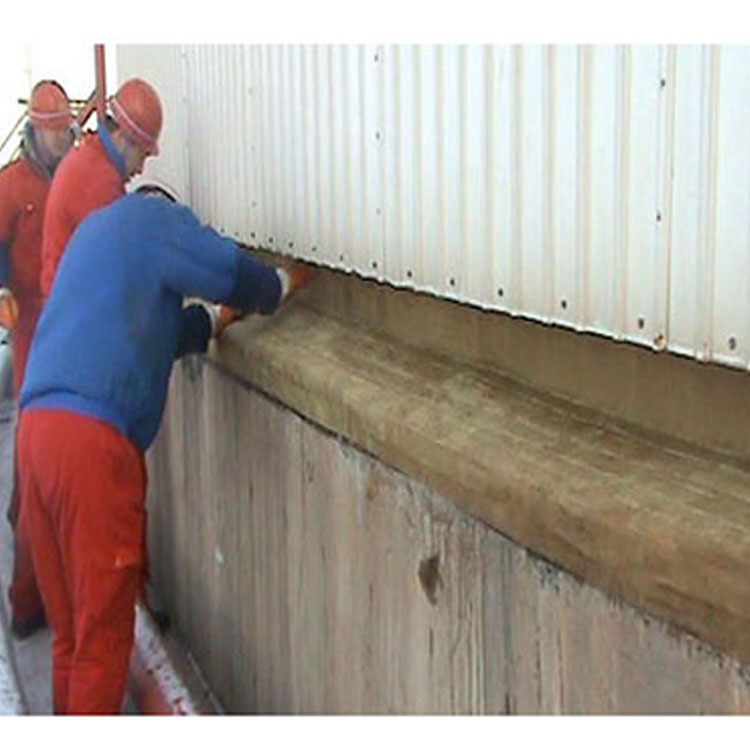

Phone Consultation