
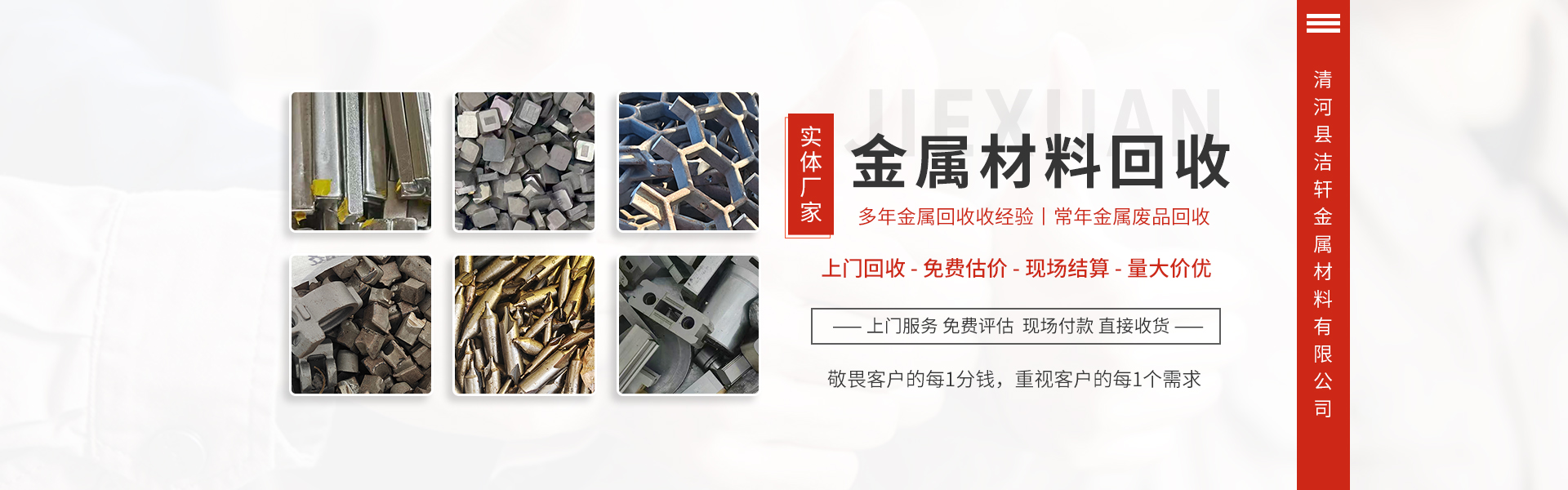

During the solder wire recycling process, the following points should be noted:
One: Stability: Solder wire produces a large amount of heat, powder, and other undesirable substances during the processing, so protective gear like gloves and masks are required, ensuring personal safety.
Proper Storage: Recycled solder bars should be stored properly to prevent moisture and heat damage, ensuring their quality and recyclability.
Three: Environmental Disposal: After recycling solder bars, they must be sent to a technical facility or recycling station for processing. They cannot be discarded directly to protect the environment.
Four: Compliance with Regulations: Adhere to relevant environmental protection laws and policies during the solder wire recycling process, ensuring the legality and sustainability of the recycling activities.
Solder wire recycling is a crucial activity aimed at protecting the environment and promoting resource reuse. Here are some key steps and considerations for solder wire recycling:
We are in need of collecting discarded solder sticks. These solder sticks may come from electronic manufacturing and welding operations. Recycling companies or relevant organizations will contact various enterprises and individuals to purchase the discarded solder sticks they have collected.
Two: Classification: The collected solder rods must be categorized for subsequent processing. Based on their composition, they can be divided into aluminum-tin alloy solder rods and lead-tin alloy solder rods, etc. Due to the presence of undesirable substances, lead-tin alloy solder rods require special classification and recycling.
Three: Cleaning: The discarded solder wire needs to be thoroughly cleaned to remove surface oil, oxides, and other impurities. This aids in subsequent processing and recycling.
Four: Refining: After cleaning, the solder rods are placed into the refining furnace for melting. The refining process can remove impurities from the solder rods and restore a high purity tin metal.
Five: Refining: After melting, tin metal can undergo a series of processing treatments, such as hammering, stretching, and rolling, ultimately forming products like tin sheets and tin strips, which are supplied to various industries.
In summary, solder wire recycling is a crucial environmental protection and resource reuse initiative. Through proper collection, sorting, cleaning, melting, and reprocessing steps, the solder wire can be reused, reducing resource waste and environmental pollution.
The corrosion resistance of welded joints in heat-treated aluminum alloys (such as hard aluminum) is not significantly reduced. The less uniform the joint microstructure, the easier and more noticeable the reduction in corrosion resistance. The degree or density of the weld metal also affects the joint's resistance to corrosion. High levels of impurities, coarse grain size, and the precipitation of brittle phases can significantly reduce corrosion resistance, leading to both localized surface corrosion and frequent intergranular corrosion. Additionally, for aluminum alloys, the presence of welding stresses is an important factor influencing corrosion resistance.
Welding materials focus on expanding varieties and optimizing upgrades for solid wire. Enhancements are made in copper coating adhesion, wire feeding stability, and high strength with low hydrogen content. The main targets are high-strength, high-toughness wires suitable for high wire and large-line energy welding, including low-alloy high-strength steel wires, low-temperature steel wires, critical boiler-resistant heat-resistant steel wires, and high-quality stainless steel wires. Next, it is imperative to vigorously develop high-quality, rapid-speed spool wire. Currently, many large-scale welding material application enterprises rely on imported spool wires for their improved adhesion, feeding stability, and high strength with low hydrogen content. The main focus is on high-performance wires suitable for large-line energy welding, which serves as a great breakthrough for expanding domestic demand and driving the industry. Domestic spool wires should strive to improve copper coating adhesion, feeding stability, and reduce interest rates. Additionally, non-copper-coated special coating solid wires represent a new direction for development.
Welding material equipment should be in perfect condition and have accurate measurements: welding operators must be familiar with the machine's performance and undergo practical operation training to master the skills and adapt to the construction environment. During welding,严格控制 heat gun temperature and duration to ensure the welding surface is heated evenly and controlled to have a minimal amount of molten slag; there should be no issues like incomplete welding, skipped welding, welding burn, or loose joints. Do not damage the rolled materials of non-welding areas during welding. After completion, thoroughly inspect the quality of the welds: for critical structures designed, use a vacuum pump and vacuum box for airtightness checks on completed welds; if any weld quality issues or incomplete weld points are found, take timely corrective measures.
