




- AllProduct Category
-
Fermentation Extraction Filtration Equipment
Drying and Dispersing Mixing Equipment
Storage Tanks/Columns/Fillers
Molecular Distillation Equipment
Reactive Mixing Equipment
Silicone Oil Production Equipment
Resin Equipment
Heat Exchanger Condenser Equipment
Screw Film Evaporator


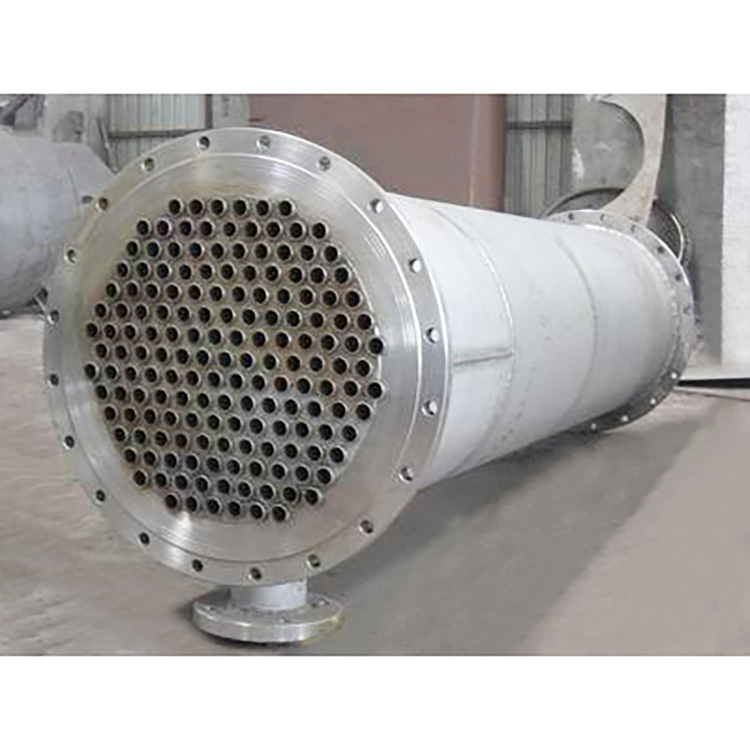
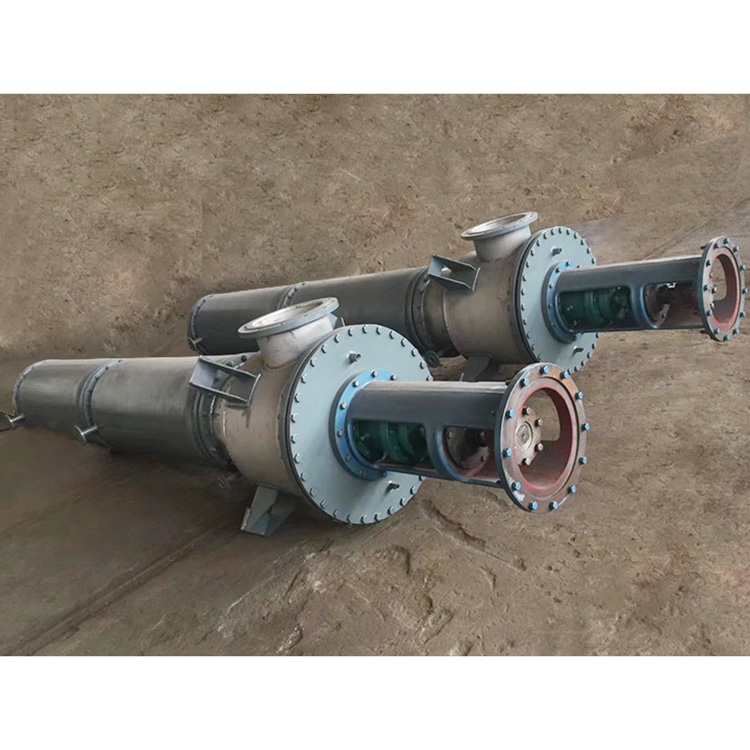
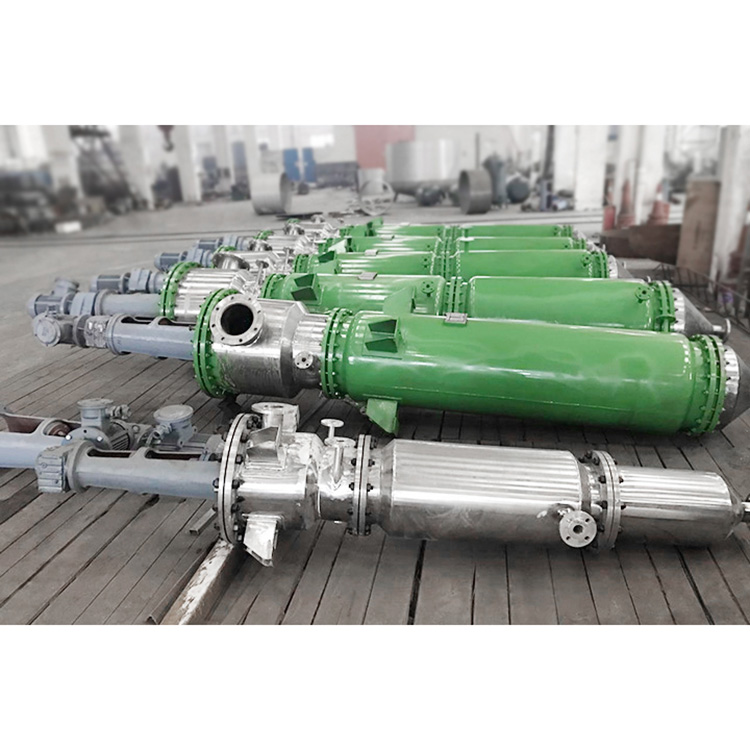
详情描述
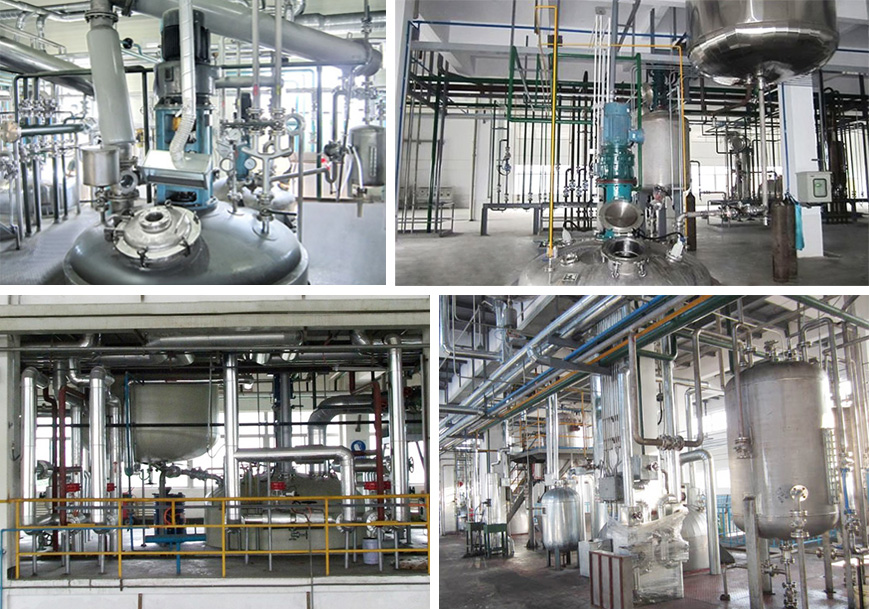
Product Overview
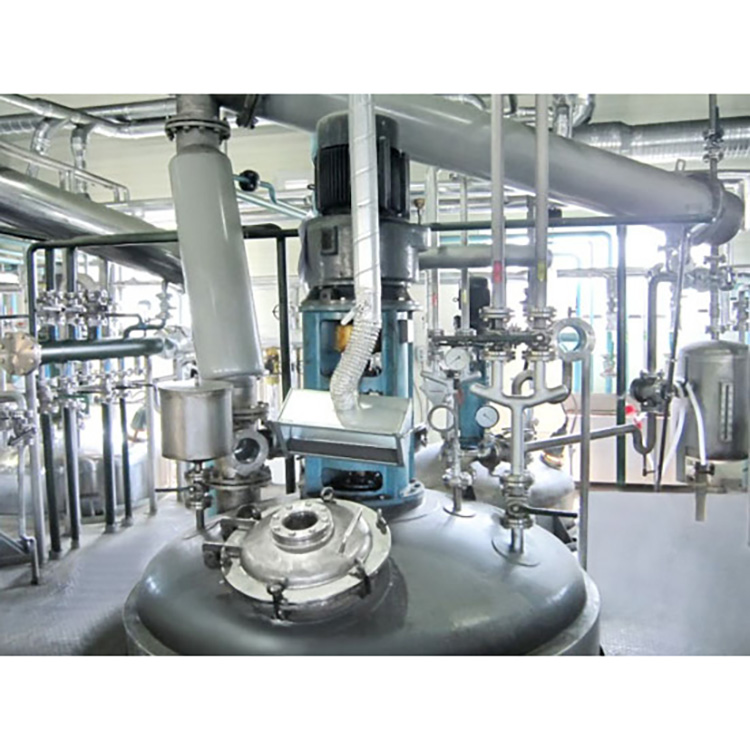
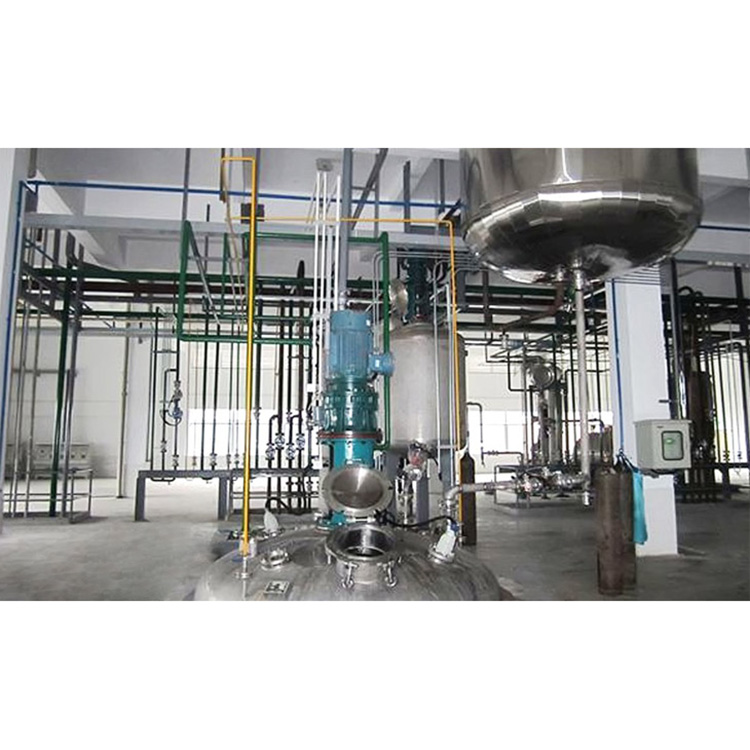
The resin used in water-based acrylic resin equipment is modified using other resins or monomers to meet the specific requirements of paints. For example: epoxy-modified water-based acrylic resin, water-based polyurethane acrylic resin. Nanocomposite water-based architectural latex paints involve adding nanoparticles as pigments or fillers to traditional architectural paints, utilizing the unique physical and chemical properties of nanomaterials to impart excellent performance to the paint, enhancing the weather resistance of the acrylic resin architectural latex paints.
The hydrophilization of waterborne acrylic resin equipment is related to its polymerization method. Currently, the polymerization methods for waterborne acrylic resin equipment include: 1. Bulk polymerization; 2. Solution polymerization; 3. Suspension polymerization; 4. Emulsion polymerization, etc. The latter two methods are used in the manufacturing of water-dispersible systems. When using suspension polymerization, the resulting particle diameter is larger, the relative molecular weight is moderate, and a dispersant is needed to prevent sedimentation. In emulsion polymerization, the particle size is smaller, the relative molecular weight is higher, and an emulsifier is required. In the hydrophilization of acrylic resins, emulsion polymerization is mostly employed. However, it should be noted that residual emulsifiers are a major factor affecting the bond strength (to the substrate) and reducing the luster of the coating film. In monomer emulsification polymerization, the emulsifier emulsifies the monomer droplets into micelles at the beginning of polymerization and then carries out the polymerization. After polymerization, the emulsifier keeps the polymer particles stable, but during the drying (removal of water) and film formation, the emulsifier forms hydrophobic voids within the film layer, allowing water to penetrate further into the film, thereby reducing the bond strength between the film and the substrate and also lowering the surface luster of the film. To address this issue, various research efforts have been conducted to implement countermeasures.
Compared to traditional solvent-based coatings, water-based resin equipment offers advantages such as lower cost, safety in use, resource and energy conservation, reduced environmental pollution, and fewer public hazards, making it the primary direction for the development of the paint industry. Water-based acrylic resin coatings are fast-developing and diverse in types, being non-polluting. Typically, acrylic or methyl丙烯ic derivatives are used as monomers, polymerized into acrylic resins using free radicals. Monomers are readily available and cost-effective, making industrial production easy. Other resins can also be copolymerized with acrylic monomers or compounded with acrylic resins for improved functionality or increased hydrophilicity, serving as a means of water-based modification.


