

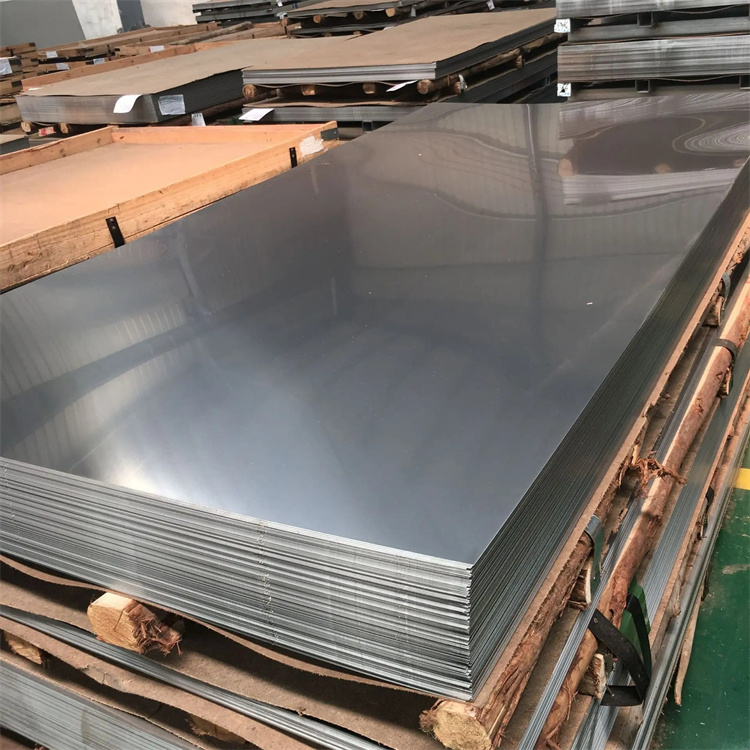

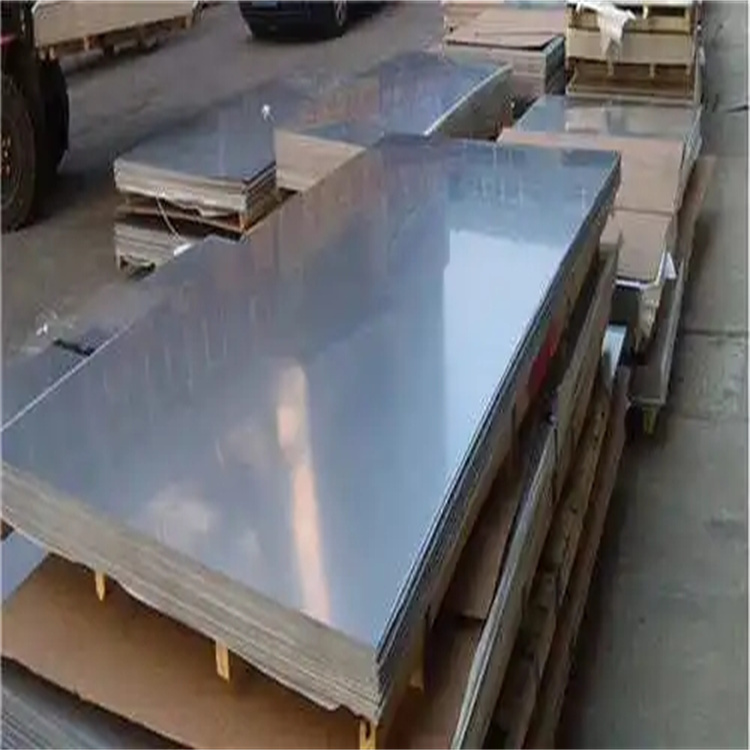
 Hot rolling of stainless steel plates is a term you've likely heard of, while cold rolling refers to the process of transforming stainless steel strips into various steel shapes through cold drawing, cold bending, and cold extrusion at room temperature. They have both advantages and drawbacks. Let's delve into them in detail.
Advantages of Hot Rolling and Cold Rolling
1. Hot Rolling: The advantages of hot rolling stainless steel sheets include the ability to disrupt the casting structure of the ingot, refine the grain structure of the stainless steel, and also clean up defects in the microstructure, making the stainless steel material more compact and optimizing its mechanical properties. This optimization is typically evident along the rolling direction, thereby making the stainless steel material to some extent no longer isotropic.
2. Additionally, it will also weld together the air bubbles, cracks, and looseness generated during casting under the action of high temperature and pressure.
3. Cold Rolling: It offers the advantages of fast forming speed, high output, and no damage to the coating. It can be made into various cross-sectional shapes to meet the requirements of different usage conditions.
4. Cold rolling allows stainless steel to undergo significant plastic deformation, thereby increasing its yield point.
