



 Stainless steel is now inseparable from our lives, from large-scale industrial production to everyday items like pots and pans. Next, I'll introduce the key processing points for colored stainless steel.
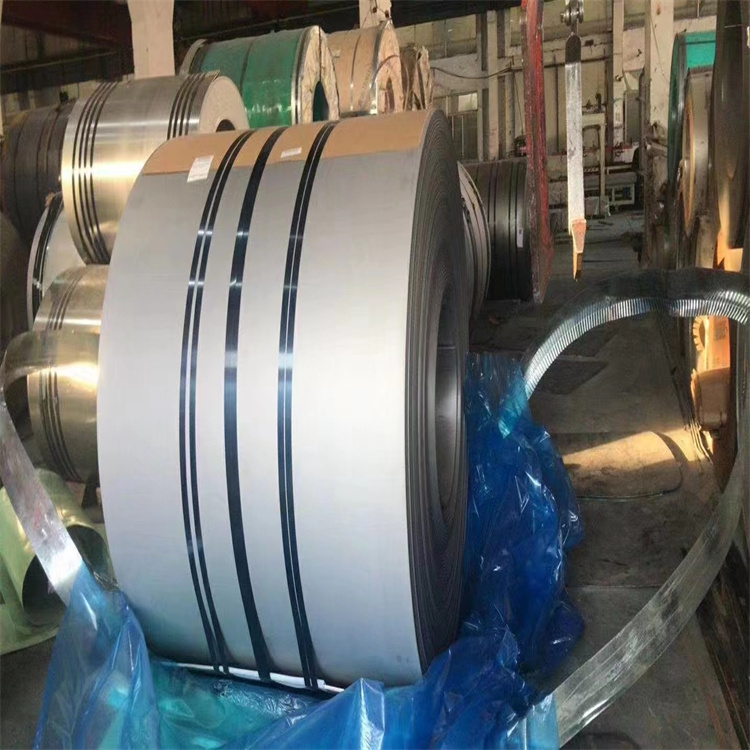
1. If you plan to process colored stainless steel sheets for cutting, bending, and shaping, such as making skirting boards, door frame edging, etc., it is crucial to communicate with the manufacturer when selecting the colored stainless steel sheet. Be sure to request a protective film of 6C or higher to prevent surface scratches during cutting, slotting, and bending.
2. After welding colored stainless steel, the surrounding area may also fade. Welding should be avoided as much as possible. Use screws to fix it whenever possible. If welding is necessary, it should be done on the back or in dark areas where it's not visible, and spot welding should be used. If welding is required on the front or in a prominent place, the welds should be small, and polishing should not be done immediately after welding. To cover up the welds, use oil pastels to mask the color differences. If the workpiece is small and the customer's requirements are high, welding the stainless steel in its natural color, then sanding, polishing, and coloring can be done.
3. Remove the protective film as soon as the construction is completed to prevent adhesive failure. If there is slight adhesive failure, wipe it away with alcohol or acetone. For severe adhesive failure, you can also use nail polish remover.
